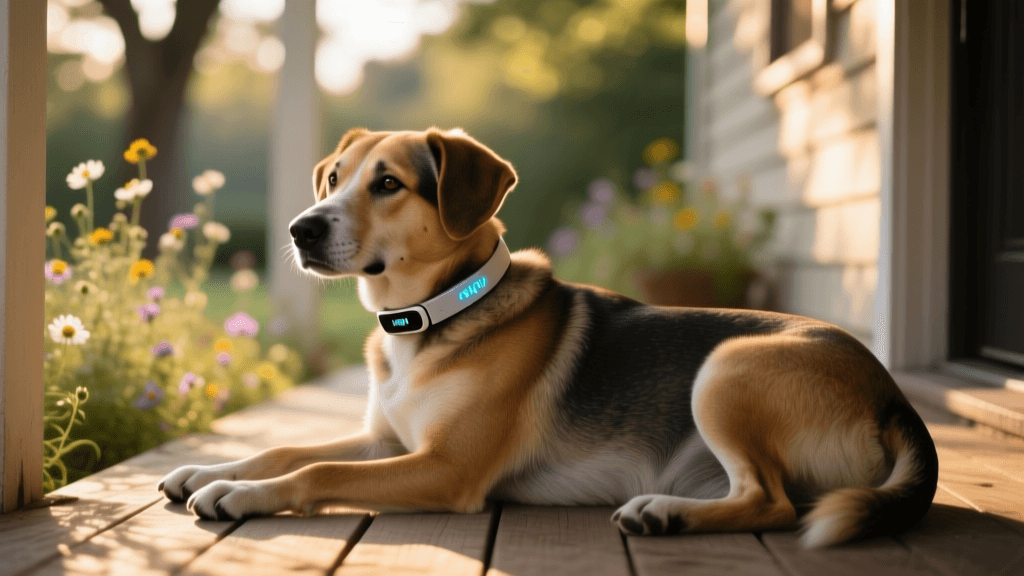
Decoding Dog Pain Signals: 2026 Body Language and HRV Wearable Guide
Learn to decode subtle canine pain signals in 2026. Discover key body language cues and how modern HRV smart collars help monitor your dog's hidden discomfort.
The Evolutionary Drive to Hide Canine Pain
As pet owners, we often assume that if our dogs are hurting, they will tell us through obvious whining or limping. However, canine communication is deeply rooted in evolutionary survival. In the wild, displaying weakness or injury makes an animal a target for predators and risks their standing within the pack. Because of this instinct, modern domestic dogs are masters at masking physical discomfort. By the time a dog exhibits overt signs of agony, the underlying condition—whether it is osteoarthritis, dental disease, or an internal issue—has often progressed significantly.
In 2026, veterinary behaviorists and pain management specialists emphasize a proactive, dual-diagnostic approach. This involves combining acute observation of subtle body language with cutting-edge biometric data. Understanding the nuanced signals your dog uses to communicate distress is the first line of defense in preserving their health and wellbeing. According to the American Veterinary Medical Association (AVMA), recognizing early pain indicators is critical for implementing timely, effective pain management protocols that drastically improve a dog's quality of life.
The Canine Grimace Scale: Facial Indicators of Discomfort
One of the most vital tools developed for veterinary professionals and now adapted for home use is the Canine Grimace Scale. This observational tool focuses on micro-expressions that occur involuntarily when a dog is experiencing acute or chronic pain.
- Orbital Tightening: A dog in pain will often squint or narrow their eyes. The muscles around the orbit tense up, giving the eyes a smaller, more strained appearance.
- Ear Position: While ear carriage varies by breed, a general rule is that ears will be pulled back, flattened, or held wider apart than their normal relaxed baseline.
- Muzzle Tension: Look for a tightened jaw, pulled-back lips (not in a snarl, but in a rigid grimace), or excessive panting when the environment is cool and the dog is at rest.
- Whisker Bunching: The vibrissae (whiskers) may appear bunched or pushed forward due to the tension in the muzzle muscles.
Posture, Gait, and Movement Signals
How your dog carries their body provides massive clues about their internal state. Chronic pain, particularly from joint issues like hip dysplasia or spinal conditions like IVDD, alters a dog's biomechanics.
Weight Shifting and the 'Prayer' Position
Dogs with abdominal pain or severe spinal discomfort may adopt the 'prayer' position—front legs stretched out flat on the floor while the hindquarters remain raised. Conversely, a dog with localized joint pain will constantly shift their weight away from the affected limb, even when standing still. You might notice them sitting with one hip kicked out to the side, commonly referred to as a 'puppy sit,' which can sometimes indicate hip or lower back stiffness.
Trembling and Restlessness
Unexplained trembling, especially when localized to a specific limb or the core, is a frequent indicator of nerve pain or muscle spasms. Furthermore, a dog in pain often struggles to get comfortable. If your dog is pacing at night, repeatedly standing up and lying down, or avoiding their usual orthopedic bed, they are communicating that they cannot find a pain-free resting posture.
Behavioral and Vocalization Shifts
Pain doesn't just change how a dog moves; it fundamentally alters their personality and daily routines. The American Kennel Club (AKC) notes that sudden behavioral shifts are among the most reliable indicators of hidden illness or injury in canines.
'A sudden aversion to being touched, uncharacteristic aggression, or a withdrawal from family activities are not just 'bad behavior'—they are often desperate communication signals from a dog experiencing physical distress.'
- Vocalization Changes: While some dogs whine, others grunt when lying down or getting up. A sudden increase in lip-smacking or swallowing can indicate nausea secondary to pain.
- Hyper-Licking: Dogs will often obsessively lick a specific joint, paw, or area of their abdomen. This releases endorphins, acting as a self-soothing mechanism for localized pain.
- Appetite and Thirst: Dental pain will cause a dog to drop food or chew exclusively on one side of their mouth. Systemic pain often leads to a sudden drop in water consumption and overall appetite.
2026 Breakthroughs: HRV and Biometric Smart Collars
While observational body language is crucial, human observation has its limits—especially when we are at work or asleep. This is where 2026's advancements in veterinary wearable technology bridge the gap. Modern smart collars now go far beyond simple GPS tracking; they utilize advanced photoplethysmography (PPG) sensors to monitor vital signs, with Heart Rate Variability (HRV) emerging as the gold standard for detecting canine stress and pain.
How Heart Rate Variability (HRV) Indicates Pain
HRV measures the microscopic variations in time between each heartbeat. A high HRV indicates a healthy, relaxed autonomic nervous system dominated by the parasympathetic ('rest and digest') branch. When a dog is in pain, the sympathetic nervous system ('fight or flight') takes over, causing the heart rate to become rigid and metronomic, resulting in a sharply lowered HRV.
Veterinary-grade biometric collars available in 2026 can establish a baseline HRV for your specific dog over a two-week period. If your dog suffers a soft tissue injury or experiences a flare-up of osteoarthritis, the collar's algorithm detects the HRV drop and the accompanying spike in resting respiratory rate, sending an alert to your smartphone before physical limping even begins. The WSAVA Global Pain Council strongly advocates for the integration of continuous biometric monitoring in the long-term management of chronic canine conditions.
Comparing Observable Signals vs. Biometric Data
| Pain Indicator Category | Observable Body Language (Human Detection) | 2026 Biometric Collar Data (Tech Detection) |
|---|---|---|
| Acute Injury | Limping, vocalizing, guarding the area | Sudden spike in heart rate, localized temperature increase |
| Chronic Joint Pain | Reluctance to jump, stiffness after resting | Decreased daily active minutes, altered sleep architecture |
| Systemic/Internal Pain | Hunched posture, panting, withdrawal | Sharply reduced HRV, elevated resting respiratory rate |
| Anxiety/Stress Pain | Lip licking, yawning, trembling | Sustained low HRV, erratic pulse rate during rest |
Action Plan: What to Do When You Spot Pain Signals
If you notice a combination of the facial, postural, or behavioral signals outlined above, or if your dog's smart collar alerts you to a sustained drop in HRV, it is time to take action. Do not wait for the pain to become severe.
- Document the Signals: Keep a digital journal. Note the time of day the signals occur, what your dog was doing right before, and export the HRV data from your wearable app. This data is invaluable for your veterinarian.
- Modify the Environment: Immediately provide environmental support. Use orthopedic memory foam ramps to help them access furniture or vehicles. Raise their food and water bowls to reduce neck strain, and place non-slip rugs over hardwood floors to provide traction for weakened joints.
- Schedule a Veterinary Assessment: Bring your observational notes and biometric data to your vet. In 2026, veterinarians can use this combined data to prescribe highly targeted treatments, ranging from monoclonal antibody therapies for osteoarthritis to specialized physical rehabilitation protocols.
- Avoid Human Medications: Never administer human pain relievers like ibuprofen or acetaminophen, as these are highly toxic to dogs and can cause fatal organ failure.
Conclusion
Decoding canine communication requires patience, empathy, and a keen eye for detail. By understanding the subtle facial expressions, postural shifts, and behavioral changes that signal discomfort, you can advocate for your dog's wellbeing long before a crisis occurs. When paired with the incredible biometric insights provided by modern HRV wearables, you are fully equipped to ensure your companion lives a comfortable, vibrant, and pain-free life in 2026 and beyond.
anouk-beaumont
All our authors care for dogs every day — read more of their work on the authors page.