Canine OA Home Care: 2026 Daily Routine & Joint Relief Guide
Discover practical daily routines, home modifications, and top orthopedic beds to manage canine osteoarthritis in 2026 and keep your senior dog comfortable.
Navigating Life with an Arthritic Dog in 2026
Sharing your life with a dog is one of the greatest joys a person can experience, but as our canine companions age, that joy is often accompanied by the heartbreak of watching them struggle with mobility issues. Canine Osteoarthritis (OA) is a progressive, degenerative joint disease that affects an estimated 20% to 25% of adult dogs and up to 80% of senior dogs. In 2026, the landscape of canine OA treatment has evolved dramatically. While veterinary medicine has introduced groundbreaking biologic therapies, the foundation of managing this condition still relies heavily on the daily routines and home environments we provide for our pets.
According to the American Veterinary Medical Association (AVMA), osteoarthritis in dogs is not just about joint pain; it is a complex disease that alters how a dog interacts with its environment. A dog with OA may hesitate to jump into the car, slip on hardwood floors, or sleep more than usual. As a dedicated dog owner, adapting your home and daily schedule is the most impactful way to preserve your dog's quality of life. This comprehensive guide explores the most effective, veterinarian-backed home modifications and daily routines for managing canine OA in 2026.
The 2026 Multimodal Approach to Canine OA
The veterinary consensus in 2026 strongly advocates for a 'multimodal' approach to OA management. This means combining pharmaceutical interventions, weight management, physical therapy, and environmental modifications. The WSAVA Global Pain Council emphasizes that environmental adaptation is not merely supplementary; it is a core pillar of pain management. By reducing the mechanical stress placed on compromised joints through smart home design, you can significantly decrease your dog's daily pain levels and reduce their reliance on NSAIDs (Non-Steroidal Anti-Inflammatory Drugs), which can carry long-term risks for the liver and kidneys.
Essential Home Modifications for Arthritic Dogs
1. Upgrading to True Orthopedic Bedding
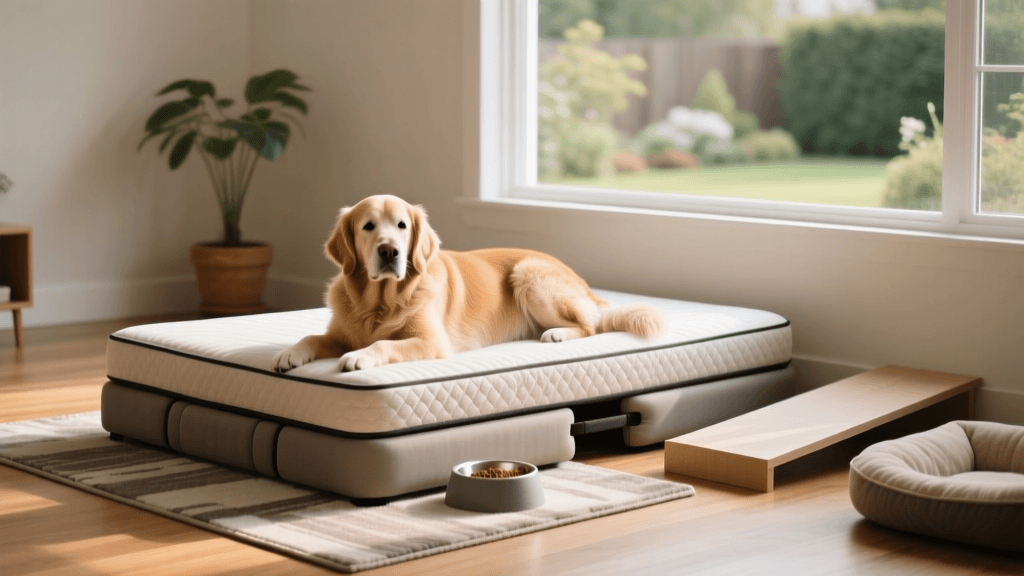
Standard plush dog beds offer comfort but lack the structural support required for arthritic joints. In 2026, therapeutic bedding focuses on pressure redistribution and joint decompression. The gold standard remains the Big Barker 7-inch Pillow Top Orthopedic Dog Bed. Engineered with a three-layer foam system that prevents the bed from 'pancaking' over time, it allows large and giant breed dogs to lie down and stand up with minimal joint strain. For medium breeds or dogs who prefer a bolster, the Furhaven Plush & Suede Orthopedic Sofa Bed features an egg-crate orthopedic foam base that promotes airflow and cushions aching elbows and hips.
Pro Tip: Place beds in draft-free, warm areas of the house. Cold temperatures can exacerbate joint stiffness, so consider a safe, pet-approved heating pad or a self-warming thermal blanket for the winter months.
2. Solving the Hardwood Floor Hazard
Slippery surfaces like hardwood, tile, and laminate are the natural enemies of an arthritic dog. When a dog slips, the micro-tears in the joint capsule cause immediate inflammation and long-term pain. To combat this, create 'safe pathways' through your home using high-traction solutions.
- Interlocking Foam Tiles: Brands like PawHive offer high-density, non-toxic EVA foam tiles that can be arranged into customized runners for high-traffic hallways.
- Yoga Mats: An inexpensive and easily washable alternative is to line hallways with inexpensive, textured yoga mats secured with double-sided carpet tape.
- Dr. Buzby's ToeGrips: If your dog's paw pads are dry and slipping, these tiny, natural rubber cylinders slide over the dog's toenails to provide instant traction on smooth floors without the need for bulky dog socks.
3. Ramps and Stairs for Elevation
Jumping onto a couch or into an SUV places a force equivalent to several times a dog's body weight on their carpal, shoulder, and hip joints. Eliminate jumping entirely by introducing ramps.
- PetSafe Happy Ride Folding Pet Ramp: Weighing only 10 pounds but supporting up to 150 pounds, this ramp features a high-traction surface and side rails, making it the top choice for 2026 vehicle loading.
- Gen7Pets Natural Step Ramp: For indoor furniture, this ramp features a grass-like surface that dogs naturally grip, and it folds down to a mere 3 inches for easy storage under a sofa.
Restructuring Your Daily Routine
The 'Sniffari' and Low-Impact Exercise
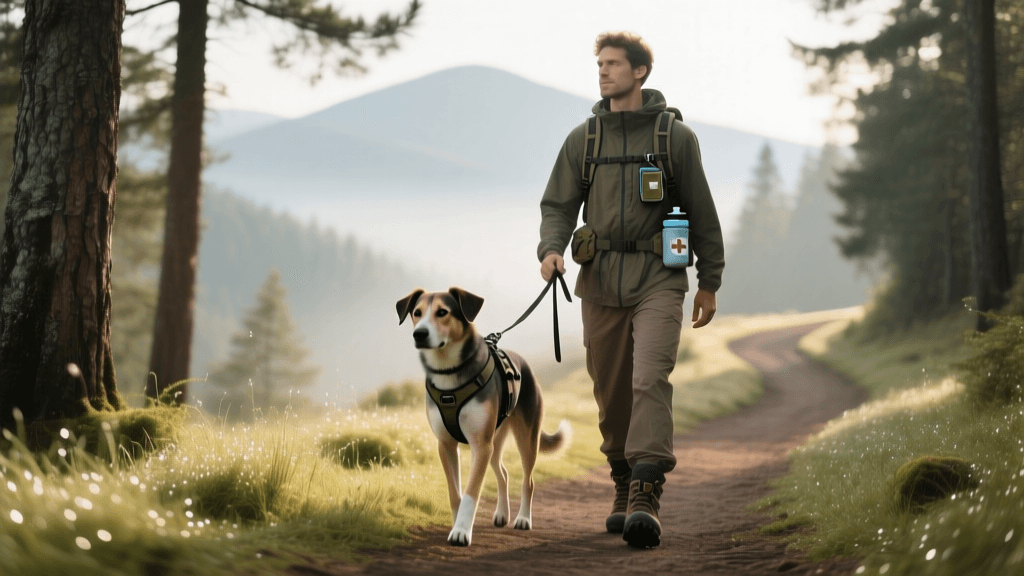
Exercise is critical for maintaining muscle mass, which acts as a scaffolding for arthritic joints. However, the type of exercise must change. Long, fast-paced runs or games of fetch involving sudden stops and sharp turns are contraindicated. Instead, embrace the 'Sniffari'—a slow, meandering walk where the dog is allowed to stop and sniff every bush, tree, and fire hydrant. Mental enrichment through scent work burns just as many calories and provides immense psychological satisfaction without the repetitive concussive impact on the joints. Aim for two or three 15-minute Sniffaris per day rather than one long 45-minute march.
Feeding and Hydration Stations
While elevated food bowls were once universally recommended, 2026 veterinary physiotherapy guidelines suggest a more nuanced approach. For dogs with severe cervical (neck) spine arthritis or concurrent neurological issues, eating off the floor can cause immense strain. However, for dogs with severe shoulder or front-leg OA, bending down to the floor is the primary pain trigger. Observe your dog's posture while eating. If they splay their front legs out or shift their weight to their hindquarters to reach the bowl, invest in an adjustable elevated feeder like the Neater Feeder Express, setting it precisely at their lower chest level to keep their spine neutral.
2026 Canine OA Treatment & Supplement Comparison
While home modifications are vital, they work best in tandem with modern veterinary treatments. The table below outlines the leading OA therapies available in 2026, ranging from daily supplements to monthly biologic injections.
| Treatment / Supplement | Type | Administration | Est. Monthly Cost (2026) |
|---|---|---|---|
| Librela (bedinvetmab) | Anti-NGF Monoclonal Antibody | Veterinary Injection (Every 4 weeks) | $75 - $140 |
| Solensia (frunevetmab) | Anti-NGF Monoclonal Antibody (Feline focus, but off-label canine use exists) | Veterinary Injection (Every 4 weeks) | $60 - $110 |
| Dasuquin Advanced | Nutraceutical (ASU, Glucosamine, Chondroitin, Boswellia) | Daily Chewable Tablet | $45 - $70 |
| Glyde Mobility Chews | Nutraceutical (Green Lipped Mussel, Krill Oil, Glucosamine) | Daily Chewable Treat | $35 - $55 |
| Galliprant (grapiprant) | NSAID (PGE2 EP4 Receptor Antagonist) | Daily Prescription Tablet | $80 - $150 |
Note: Always consult your primary veterinarian before starting any new supplement or medication, as interactions with existing conditions (like kidney disease) must be carefully managed.
Grooming: The Hidden Key to Joint Health
One of the most overlooked aspects of canine OA management is nail care. When a dog's nails grow too long, they hit the ground and push the toe joints upward and backward. This alters the entire biomechanical alignment of the leg, forcing the dog to shift its weight backward, which places devastating stress on the hips and lower spine. In 2026, keeping the nails of an arthritic dog meticulously short is considered a non-negotiable aspect of pain management. If your dog resists traditional clippers due to the pressure required, invest in a high-torque, low-noise pet nail grinder like the Dremel PawControl 7760-PGK. Grinding allows for millimeter-by-millimeter precision, ensuring you avoid the quick while maintaining optimal postural alignment.
Conclusion: Empathy and Adaptation
Living with a dog suffering from osteoarthritis requires a shift in perspective. It is about trading high-intensity physical adventures for deep, mentally stimulating bonding experiences. As noted by the American Kennel Club (AKC), early intervention and consistent environmental management can add years of comfortable, happy life to a senior dog. By investing in proper orthopedic bedding, securing your floors, utilizing ramps, and adhering to a thoughtful daily routine, you are not just treating a disease—you are honoring the lifelong companionship your dog has given you by ensuring their golden years are truly golden.
hannah-wickes
All our authors care for dogs every day — read more of their work on the authors page.