Best Puppy Breeds for Remote Workers in 2026: WFH Guide
Discover the best puppy breeds for remote workers in 2026. Learn about WFH dog behavior, low-barking traits, and ideal companions for home offices.
The Psychology of the Work-From-Home Dog
As we navigate the permanent remote-work landscape of 2026, the home office has evolved from a temporary setup into a permanent sanctuary for productivity. For dog owners, this environment presents a unique intersection of human focus and canine psychology. When you bring a puppy into a work-from-home (WFH) environment, you are not just getting a pet; you are introducing a den-dwelling, pack-oriented animal into your professional workspace. Understanding the behavioral instincts, vocalization triggers, and independence levels of different breeds is crucial for maintaining both your sanity during Zoom calls and your puppy's mental well-being.
The core of WFH canine psychology revolves around territorial awareness and pack proximity. Dogs that are genetically wired to be hyper-vigilant guardians or high-drive herders will often interpret the sounds of your home—delivery drivers, doorbells, and even your animated speaking voice during virtual meetings—as stimuli requiring a response. Conversely, breeds with a genetic predisposition toward relaxed companionship or independent lounging will seamlessly integrate into the quiet hum of a home office. Choosing the right puppy requires looking past aesthetics and deeply analyzing breed-specific behavioral traits.
Key Behavioral Traits for Remote Work Puppies
Before selecting a breed, it is essential to evaluate the specific psychological traits that dictate how a dog will behave while you are trying to meet deadlines. Not all puppies are created equal when it comes to home office etiquette.
Vocalization and Zoom Call Etiquette
Vocalization is perhaps the most disruptive trait in a remote work setting. Breeds with high 'alert barking' instincts, such as terriers and spitz breeds, are genetically hardwired to announce any change in their environment. In a busy household or an apartment with thin walls, this instinct can derail your professional image. Puppies that score low on territorial vocalization are vastly superior for shared workspaces and frequent video conferencing.
Independence vs. Velcro Dog Syndrome
While having a loving companion is a joy, 'Velcro dogs'—breeds that suffer from intense pack-separation distress even when you are just in the next room—can make working from home incredibly difficult. According to the ASPCA, dogs that exhibit hyper-attachment can develop severe anxiety behaviors, including whining, pacing, and destructive chewing, if they are not the constant center of your attention. A WFH-friendly puppy must possess the psychological independence to entertain themselves with a chew toy or comfortably nap on their bed while you engage in deep work.
Energy Matching and the 'Off-Switch'
High-energy breeds require rigorous physical and mental stimulation. If your remote job demands eight hours of consecutive desk time, a high-drive puppy will become frustrated, leading to behavioral issues. The ideal WFH puppy has a reliable 'off-switch'—the ability to transition from a playful state to a deep, restful sleep for extended periods.
Top 5 Puppy Breeds for Remote Workers in 2026
Based on behavioral stability, low vocalization, and independent resting habits, here are the top breeds suited for the modern remote worker.
| Breed | Vocalization Level | Independence | Energy Level | WFH Suitability |
|---|---|---|---|---|
| Greyhound | Very Low | Moderate | Low (Indoors) | Excellent |
| Cavalier King Charles Spaniel | Low | Low | Low-Moderate | Excellent |
| Basset Hound | Low-Moderate | High | Low | Very Good |
| Shiba Inu | Low | Very High | Moderate | Good |
| Bernese Mountain Dog | Low | Low | Moderate | Very Good |
1. The Greyhound (The Couch Potato Professional)
Despite their reputation as racers, retired Greyhounds or carefully bred pet Greyhounds are famously known as '45-mph couch potatoes.' Psychologically, sighthounds are built for short, intense bursts of energy followed by long periods of deep rest. They are remarkably quiet indoors and rarely bark at passing stimuli. For a remote worker, a Greyhound puppy (or a young adolescent) will happily sleep on a plush bed beneath your desk for hours, requiring only a solid midday sprint in a fenced area to remain balanced and content.
2. The Cavalier King Charles Spaniel (The Quiet Colleague)
Bred exclusively for companionship, the Cavalier lacks the guarding or hunting instincts that trigger excessive barking. Their psychological drive is simply to be near their human. While they are affectionate, they are generally content to curl up in your lap or on a nearby chair while you type. They are highly attuned to your emotional state, often providing a calming, grounding presence during high-stress virtual meetings. Their moderate energy needs are easily met with a neighborhood walk during your lunch break.
3. The Basset Hound (The Zen Master)
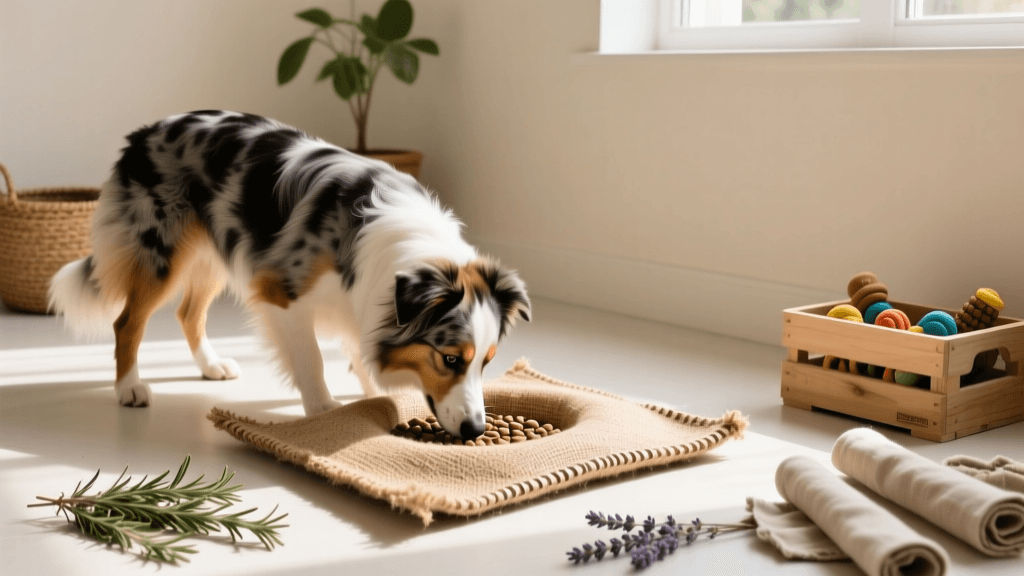
The Basset Hound is a scent hound, meaning their brain is wired to process the world through their nose rather than through visual alerts. This results in a dog that is largely unbothered by the visual distractions outside a window. They are notoriously stubborn, which translates to a wonderful trait for remote workers: they will not constantly pester you to throw a ball. A Basset Hound puppy will happily engage with a snuffle mat or a long-lasting chew while you focus on spreadsheets, emitting only the occasional, endearing snore.
4. The Shiba Inu (The Independent Contractor)
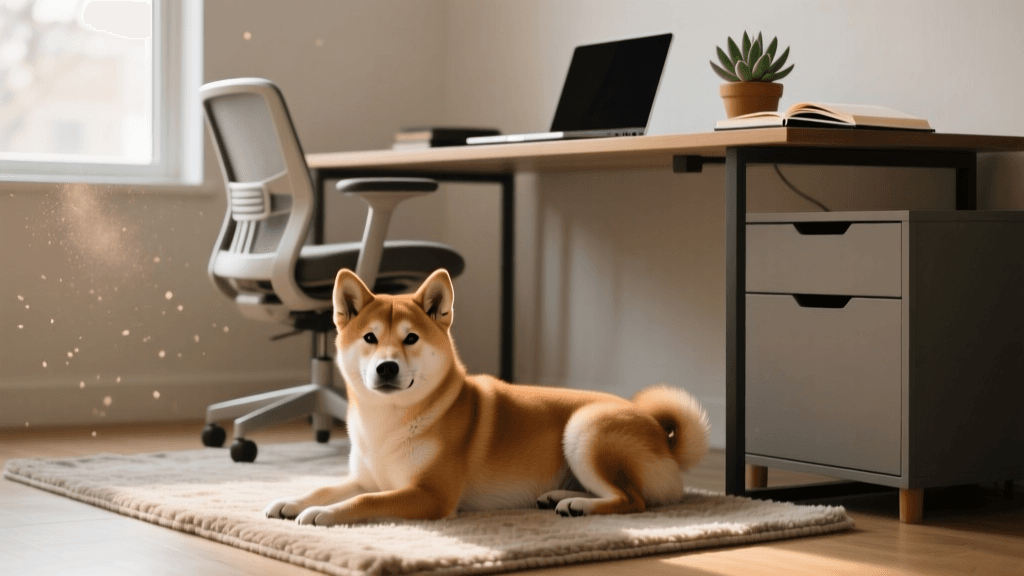
If your work requires intense, uninterrupted focus and you cannot manage a needy dog, the Shiba Inu is an exceptional choice. As a basal breed, the Shiba possesses a cat-like independence. They are fastidiously clean, quiet, and do not suffer from the 'Velcro' syndrome that plagues many companion breeds. They will happily occupy the same room as you without demanding constant physical contact. However, they require firm, consistent boundary training from puppyhood to ensure their independent streak does not turn into stubborn defiance.
5. The Bernese Mountain Dog (The Gentle Giant)
Originally bred as draft dogs in the Swiss Alps, the Bernese Mountain Dog has a calm, steady temperament. They are deeply bonded to their families but are not hyperactive indoors. A Bernese puppy will grow into a large, comforting presence in your home office, often leaning against your leg for reassurance while you work. They are generally quiet and take their role as a silent, supportive companion very seriously.
Breeds to Approach with Caution
While every dog is an individual, certain breed groups possess instincts that directly conflict with the demands of a home office.
- Herding Breeds (Border Collies, Australian Shepherds): These dogs are genetically wired to control movement. In a home environment, this often manifests as nipping at children's heels, barking at moving vehicles, or pacing anxiously when the house is too quiet. They require a 'job' to do, and simply sleeping under a desk does not fulfill their psychological needs.
- Territorial Guard Breeds (German Shepherds, Rottweilers): Without extensive socialization and professional training, these breeds may view every delivery driver or passing neighbor as a threat to the den, resulting in frequent, loud alert barking that makes phone calls impossible.
- Vocal Terriers (Jack Russells, Fox Terriers): Bred to bark at prey in underground dens, terriers have a high-pitched, persistent bark that is easily triggered by minor household noises.
Setting Up Your Home Office for Canine Success
Even the most well-suited breed requires environmental management to thrive in a WFH setting. As outlined by the American Kennel Club, understanding your specific breed's baseline needs is just the first step; structuring their environment is the second.
1. The 'Place' Command: Train your puppy to go to a specific mat or bed on command. This provides them with a clear psychological boundary, helping them understand that when you are at your desk and they are on their mat, it is time to rest, not play.
2. Automated Enrichment: Utilize modern pet technology to keep your puppy occupied during deep work blocks. Lickimats frozen with low-sodium bone broth or puzzle feeders that require the dog to use their nose and paws to extract treats can provide up to an hour of silent, mentally exhausting enrichment.
3. Sound Masking: If you live in an apartment or a noisy neighborhood, use a white noise machine or a smart speaker playing classical music near the puppy's bed. This masks the sound of triggering noises like hallway footsteps or doorbells, preventing alert barking before it starts.
Conclusion
Integrating a puppy into your remote work life in 2026 is a highly rewarding experience, provided you align your lifestyle with the correct canine psychology. By prioritizing low vocalization, an independent 'off-switch,' and calm indoor energy, you can cultivate a peaceful, productive home office. Choose a breed that complements your work style, invest in early environmental training, and enjoy the unparalleled companionship of a well-adjusted WFH dog.
marcus-aldridge
All our authors care for dogs every day — read more of their work on the authors page.