Low-Impact Training For Arthritic Dogs: A 2026 Guide
Discover low-impact training and mental stimulation techniques for dogs with osteoarthritis in 2026. Keep your senior dog engaged without joint pain.
The Reality of Canine Osteoarthritis in 2026
Canine osteoarthritis (OA) is a progressive, degenerative joint disease that affects a significant portion of the aging dog population. As veterinary medicine has advanced, so has our ability to manage this condition. In 2026, monoclonal antibody therapies like bedinvetmab (Librela) have become the standard of care for neutralizing nerve growth factor (NGF), drastically reducing chronic pain and improving mobility for millions of dogs. However, pain management does not equate to joint restoration. The structural degradation of cartilage and bone remains, meaning that how we train, exercise, and engage with our arthritic dogs must fundamentally adapt to protect their physical health while stimulating their minds.
According to the Texas A&M College of Veterinary Medicine, osteoarthritis is the most common chronic disease in dogs, affecting up to 20% of the adult population and a vast majority of senior dogs. As trainers and owners, our goal in 2026 is no longer just physical obedience; it is cognitive enrichment and joint preservation.
Why Traditional Obedience Fails Arthritic Dogs
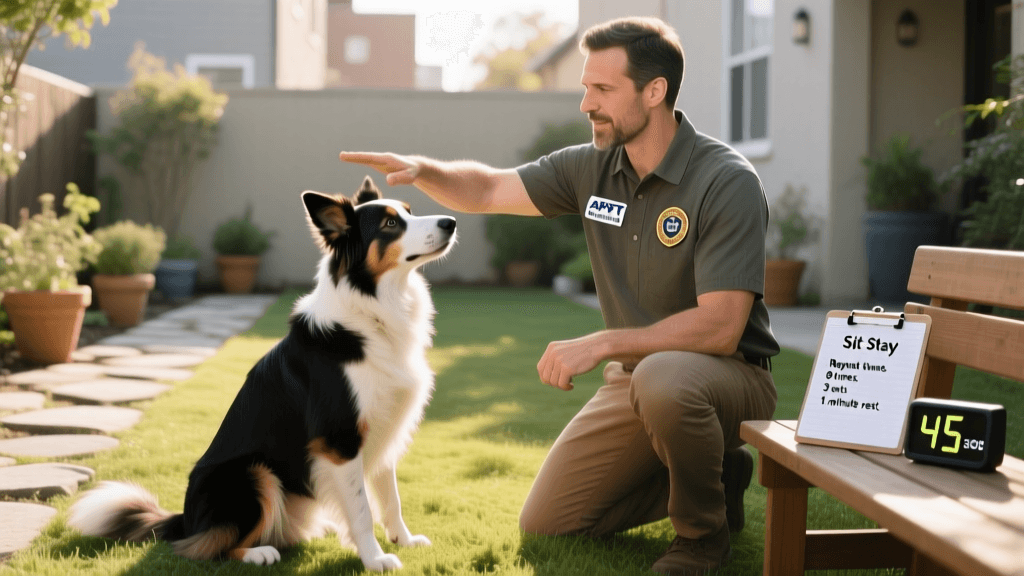
Traditional obedience training relies heavily on repetitive physical movements. Commands like "sit," "down," "stand," and "stay" require dogs to repeatedly fold and unfold their joints, placing immense mechanical stress on the hips, knees (stifles), and elbows. For a dog with OA, the simple act of lowering their hindquarters into a sit can cause micro-abrasions in the joint capsule and trigger inflammatory responses.
Furthermore, traditional training often takes place on hard surfaces like hardwood, tile, or concrete. When an arthritic dog attempts to perform a rapid "down" or shift their weight during a "stay," their compromised joints and weakened stabilizing muscles make them prone to slipping. This not only causes physical pain but also induces anxiety and a reluctance to engage in training sessions altogether.
The 2026 Paradigm: Cognitive Enrichment Over Physical Reps
The most significant shift in modern canine training for senior and arthritic dogs is the prioritization of cognitive fatigue over physical exhaustion. Veterinary behaviorists and rehabilitation specialists now widely agree that 15 minutes of intense mental stimulation—such as scent work or complex puzzle-solving—can tire a dog out as effectively as an hour of moderate physical exercise. By pivoting to low-impact training methods, we can satisfy a dog's innate drive to work and learn without accelerating joint deterioration.
Top Low-Impact Training Techniques
1. Scent Discrimination and "Find It"
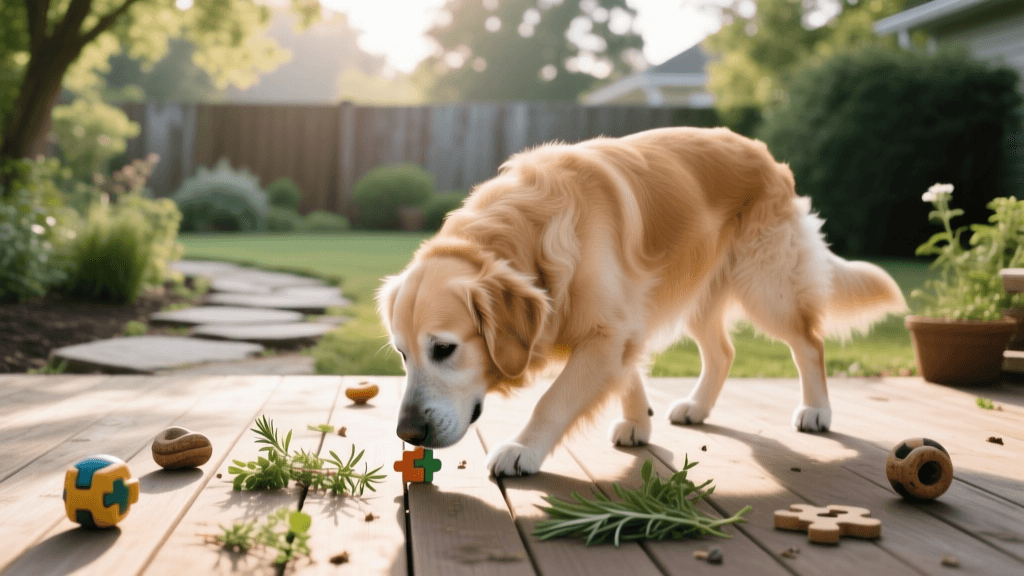
Scent work is arguably the best training modality for arthritic dogs. It engages the largest part of the canine brain and requires virtually no strenuous physical movement. The American Kennel Club's Scent Work programs have popularized this sport, but you can easily adapt it for home training.
- Step 1: Start with a high-value, strongly scented treat (like freeze-dried liver). Let your dog see you place it under a single lightweight cup or inside a snuffle mat.
- Step 2: Introduce the cue "Find it." Allow the dog to use their nose to locate the reward. Reward immediately upon discovery.
- Step 3: Gradually increase the complexity by adding more cups or hiding the treats in accessible, low-to-the-ground locations (e.g., on a chair seat, under a lightweight towel, or inside a cardboard box) so the dog does not need to crouch, jump, or climb to reach them.
2. "Go to Mat" on Orthopedic Surfaces
Teaching an arthritic dog to lie down on a hard floor is counterproductive. Instead, train a highly specific "Go to Mat" cue that directs them exclusively to an orthopedic surface. Investing in a high-quality, supportive bed like a Big Barker (which features therapeutic, open-cell orthopedic foam that won't flatten over time) provides a safe training zone.
- Step 1: Place the orthopedic mat in a quiet, easily accessible room with non-slip flooring.
- Step 2: Lure your dog onto the mat using a treat. The moment all four paws are on the foam, mark the behavior with a clicker or a "Yes!" and deliver the treat.
- Step 3: Reward the dog heavily for remaining on the mat. This teaches them that the mat is a place of comfort and reward, naturally encouraging them to settle there instead of pacing or lying on cold, hard floors.
3. Target Training (Nose Boops)
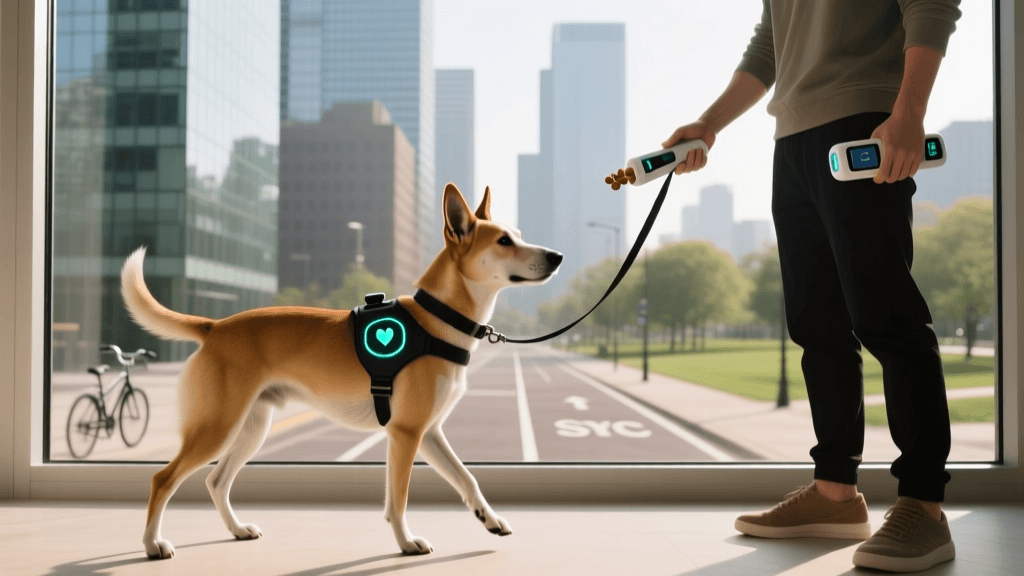
Target training teaches the dog to touch a specific object with their nose. This is incredibly useful for guiding an arthritic dog into cars, up ramps, or through doorways without needing to use a leash that might pull on their neck and spine.
- Step 1: Hold a target stick (or simply your open palm) a few inches from your dog's nose.
- Step 2: The moment they lean forward and their nose touches the target, mark and reward.
- Step 3: Slowly move the target to guide the dog's body weight and direction without forcing them to make sharp, painful pivots.
4. Isometric Training for Muscle Maintenance
Isometric exercises involve muscle contraction without joint movement. This is a cutting-edge crossover between physical rehabilitation and behavioral training. You can train your dog to press their nose, shoulder, or hindquarters gently against your hand for a treat. This builds and maintains the stabilizing muscles around arthritic joints without grinding the cartilage.
Modifying Physical Cues: A Comparison Chart
When transitioning an older dog to a low-impact training regimen, you must audit your current command list. Below is a comparison chart detailing how to modify traditional cues for joint health in 2026.
| Traditional Cue | Joint Impact | Low-Impact Alternative | Benefit |
|---|---|---|---|
| Sit / Stand Reps | High (Hip/Stifle flexion) | Target Nose Touch (while seated) | Engages focus without joint folding |
| Down on Floor | High (Elbow/Hock impact) | "Go to Bed" (Orthopedic Mat) | Cushions joints, prevents slipping |
| Fetch / Retrieve | High (Sprinting, sudden stops) | Scent Discrimination (Small radius) | Mental fatigue, controlled pacing |
| Jumping into Car | Extreme (Spinal/Hip compression) | Ramp Target Training | Eliminates vertical impact forces |
Essential Gear for Low-Impact Training
To successfully implement these techniques, your training environment must be optimized for a dog with compromised mobility.
- Snuffle Mats and Puzzle Feeders: Brands like Nina Ottosson offer puzzle toys that can be modified. For arthritic dogs, remove the pieces that require paw-swiping and focus on pieces that can be moved with a gentle nose nudge.
- Non-Slip Flooring: Training on hardwood or tile is dangerous for OA dogs. Use interlocking foam yoga mats or specialized canine traction rugs to create a secure training perimeter. Slipping can cause catastrophic soft-tissue injuries in senior dogs.
- Orthopedic Ramps: If you are training your dog to navigate height changes (like getting onto a couch or into an SUV), use a ramp with a high-traction surface, such as those from PetSTEP or Solvit, and use target training to teach them to walk up it confidently.
- Treat Pouches with Magnetic Closures: Arthritic dogs may lose patience if you fumble with zippers or velcro. Quick-access treat pouches keep the training flow smooth and prevent the dog from having to hold a painful "stay" while you retrieve a reward.
Integrating Canine Rehabilitation Principles
Modern dog training increasingly overlaps with veterinary rehabilitation. According to the Cornell University Veterinary Rehabilitation department, maintaining muscle mass is critical for supporting arthritic joints. As trainers, we can incorporate "fitness tricks" that build core strength without high impact. Teaching a dog to balance on an unstable surface (like a specially designed canine balance disc) while remaining in a standing position forces their deep core and stabilizing muscles to engage. This isometric hold supports the spine and hips, reducing the daily load on the peripheral joints.
Sample Daily Mental Training Routine
Consistency is key, but sessions must be kept short to prevent mental frustration and physical stiffness. Here is an ideal daily routine for an arthritic dog:
- Morning (10 Minutes): Scent work. Hide 5-10 high-value treats in a snuffle mat or around the living room on low, accessible surfaces. Allow the dog to forage at their own pace.
- Afternoon (5 Minutes): Target training and isometric presses. Practice nose-to-hand targets and gentle shoulder presses against your palm to maintain muscle tone.
- Evening (10 Minutes): "Go to Mat" settling exercises. Practice guiding the dog to their orthopedic bed and rewarding prolonged, relaxed settling. Use a lick mat (spread with dog-safe peanut butter or bone broth and frozen) to encourage soothing, repetitive licking, which releases endorphins and promotes sleep.
Conclusion
A diagnosis of canine osteoarthritis does not mean the end of your dog's training journey; it simply means the curriculum must change. By embracing the 2026 paradigm of cognitive enrichment, scent work, and isometric conditioning, you can keep your senior dog mentally sharp, emotionally fulfilled, and physically comfortable. Always consult with your veterinarian or a certified canine rehabilitation therapist before starting a new regimen, but remember that an engaged mind is just as important as a healthy body.
beth-carrasco
All our authors care for dogs every day — read more of their work on the authors page.