Urban Leash Reactivity 2026: Engage-Disengage Training Guide
Master urban leash reactivity in 2026 with the Engage-Disengage protocol, smart treat tossers, and biometric vests for anxious dogs.
Understanding Urban Leash Reactivity in 2026
Urban environments in 2026 present unprecedented challenges for dog owners managing leash reactivity and anxiety. With the proliferation of silent electric bicycles, autonomous delivery robots, and increasingly dense multi-use trails, the modern cityscape is a minefield of novel stimuli for a sensitive canine nervous system. Leash reactivity—characterized by lunging, barking, or freezing when encountering triggers like other dogs, strangers, or unfamiliar objects—is not merely a behavioral nuisance; it is a profound manifestation of canine anxiety and emotional dysregulation. According to the ASPCA Dog Behavior Resources, reactivity is often rooted in fear or frustration rather than true aggression, making punitive measures not only ineffective but actively harmful to the human-animal bond.
To address this, modern canine behaviorists have moved away from dominance-based theories and embraced neurobiological approaches to counter-conditioning. The gold standard for managing and ultimately rehabilitating leash reactivity in 2026 is the Engage-Disengage Protocol, a structured desensitization framework that empowers dogs to process triggers without triggering their sympathetic nervous system's fight-or-flight response.
The Neurology of the Engage-Disengage Protocol
The Engage-Disengage protocol operates on the principles of classical and operant conditioning, specifically targeting the amygdala—the brain's fear center. When a reactive dog spots a trigger (e.g., another dog at the end of the street), the amygdala hijacks the brain, flooding the body with cortisol and adrenaline. Once the dog crosses their individual stress threshold, the prefrontal cortex (responsible for learning and decision-making) essentially shuts down. This is why demanding a "sit" or "stay" from a dog over threshold is neurologically impossible.
The American Veterinary Society of Animal Behavior (AVSAB) strongly advocates for reward-based, force-free methods to address behavioral issues, noting that positive reinforcement physically alters neural pathways over time, building resilience rather than suppressing symptoms. You can review their comprehensive guidelines on humane behavioral modification via the AVSAB Position Statements on Humane Training. By playing the Engage-Disengage game, we teach the dog that the presence of a trigger predicts a high-value reward, effectively rewiring the brain's emotional response from "threat" to "opportunity."
Step-by-Step Implementation Guide
Phase 1: Establishing the Baseline Threshold
Before you begin training, you must identify your dog's sub-threshold distance. This is the distance at which your dog notices the trigger but remains capable of taking treats gently and responding to basic cues. In a dense 2026 urban setting, this might mean starting your training in a quiet suburban park or an empty parking lot on a Sunday morning, where you can control the distance to triggers at 50 to 100 feet.
Phase 2: The "Engage" (Mark and Reward)
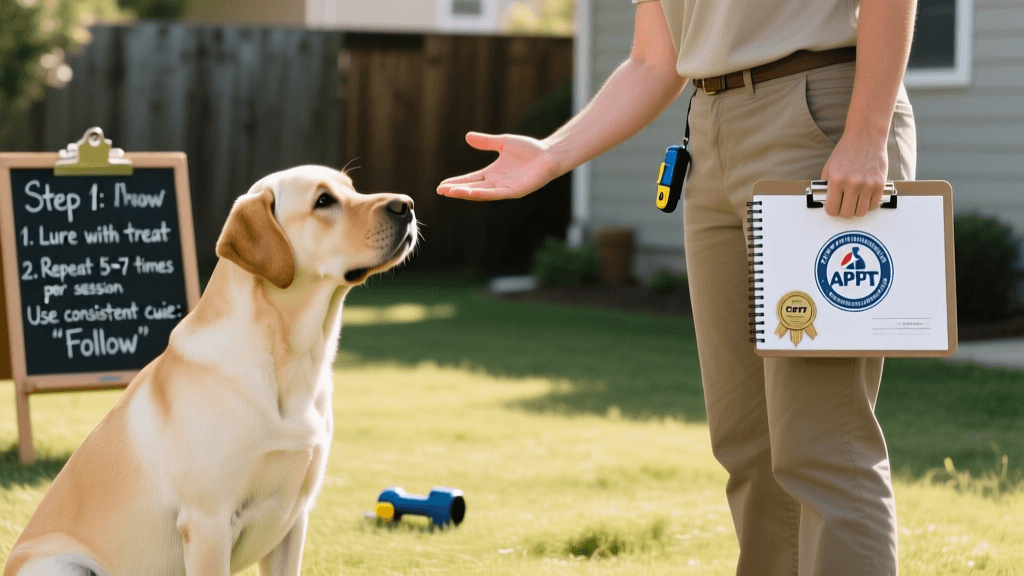
When your dog looks at the trigger (Engage), immediately mark the behavior with a distinct sound, such as a clicker or a verbal marker like "Yes!" within 0.5 seconds. The timing is critical; the marker must occur while the dog is looking at the trigger, not after they turn away. Immediately follow the marker with a high-value food reward. The sequence is: Trigger appears -> Dog looks -> Handler marks -> Handler delivers treat. Repeat this 10 to 15 times per session.
Phase 3: The "Disengage" (Voluntary Check-In)
Once your dog reliably expects a treat after looking at the trigger, you will notice a shift in their behavior. They will look at the trigger, and then voluntarily turn their head back toward you in anticipation of the reward. This is the "Disengage." The moment your dog voluntarily breaks eye contact with the trigger and looks at you, mark and reward heavily. This phase shifts the dog from classical conditioning (trigger = food) to operant conditioning (looking away from trigger = food), giving the dog agency and control over their environment.
Phase 4: Fading the Marker and Increasing Difficulty
As your dog becomes proficient, begin to delay your marker slightly, allowing them to process the trigger for a full second before looking at you. Gradually decrease the distance to the trigger in 5-foot increments over several weeks, ensuring your dog remains under threshold. If your dog refuses a treat, barks, or lunges, you have moved too close or progressed too quickly. Calmly increase the distance by 20 feet and return to Phase 2.
Essential 2026 Gear for Reactive Dog Management
Success in reactive dog training relies heavily on environmental management and the right equipment. The market in 2026 offers advanced biometric and smart-home tools that make desensitization significantly more effective. Below is a comparison of the top-tier gear recommended by certified behavior consultants this year.
| Gear Category | Top 2026 Model | Key Feature for Reactivity | Avg. Price (USD) |
|---|---|---|---|
| Smart Treat Tosser | Furbo 360 Pro (2026 Ed.) | AI-triggered tossing for window reactivity desensitization | $219.00 |
| Biometric Calming Vest | ThunderShirt Smart HR | Deep pressure therapy + real-time heart rate variability tracking | $89.99 |
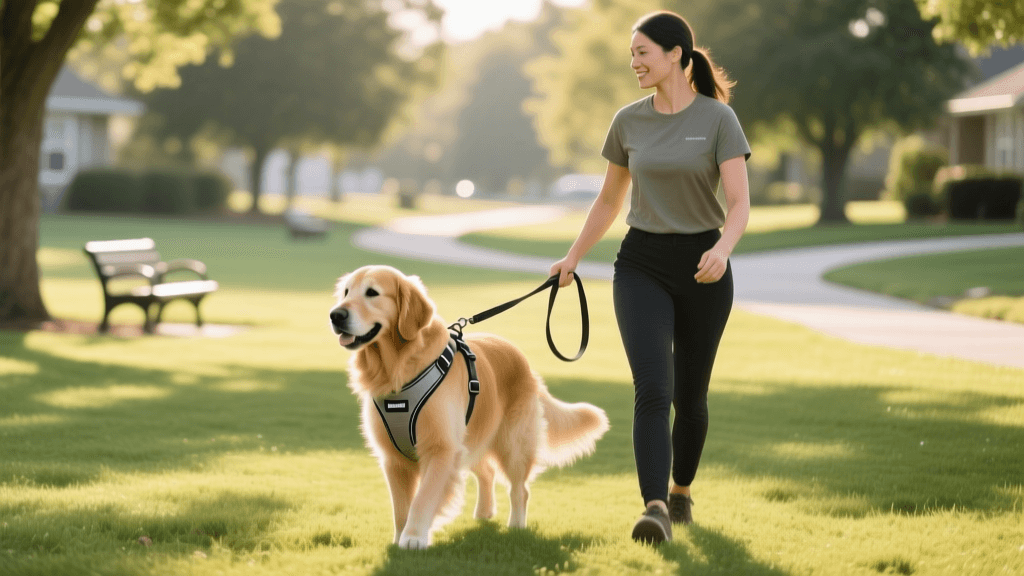
| Tactical Harness | Rabbitgoo Dual-Clip Tactical | Front-clip steering + padded handle for emergency threshold retreats | $45.50 |
| Treat Pouch | Doggy Dash Magnetic Pro | Silent magnetic closure prevents accidental trigger arousal | $34.00 |
Leveraging Smart Treat Tossers for Home Reactivity
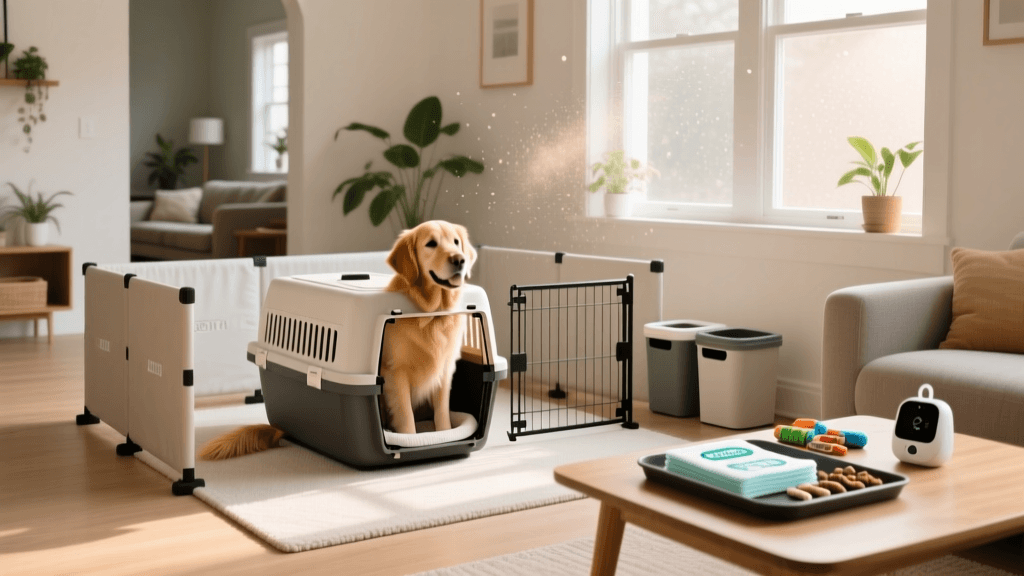
Leash reactivity often stems from general environmental anxiety, which can be exacerbated by barrier frustration at home. If your dog barks at pedestrians or delivery drones passing your front window, the Furbo 360 Pro is an invaluable tool. By utilizing its AI sound-detection and automated treat-tossing features, you can set up a counter-conditioning protocol where the sound of a passing drone automatically triggers a treat toss, changing the dog's emotional response to the auditory trigger even when you are not in the room.
Tracking Canine Biometrics and Stress Thresholds
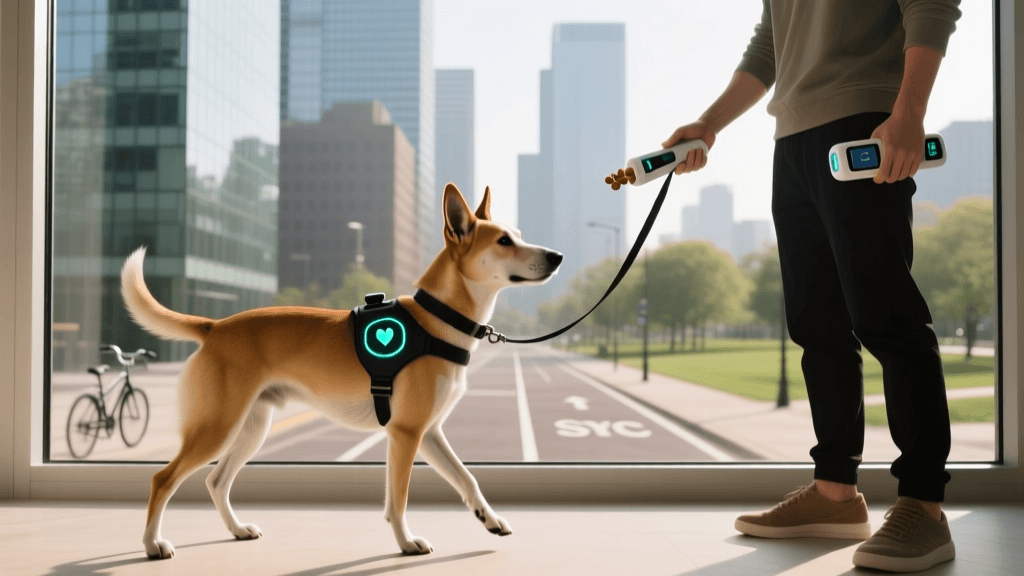
One of the most significant advancements in 2026 canine behavior management is the integration of biometric wearables. Vests like the ThunderShirt Smart HR not only provide the soothing deep-pressure therapy known to reduce acute anxiety, but they also monitor Heart Rate Variability (HRV). HRV is a primary indicator of autonomic nervous system balance. By checking your dog's HRV via your smartphone before a walk, you can objectively determine if your dog's baseline stress is already elevated. If the HRV indicates high sympathetic arousal, it is a data-driven signal to skip the busy urban trail and opt for a quiet sniffari in a secluded field, preventing a reactive episode before it occurs.
Managing Caloric Intake During High-Volume Training
Reactive dog training requires a high volume of repetition, which can quickly lead to unwanted weight gain if not managed properly. A standard 20-minute Engage-Disengage session might require 30 to 50 treats. To maintain your dog's physical health, utilize ultra-low-calorie training treats such as Zuke's Mini Naturals (approximately 3 calories each) or Charlie Bear Crunchies. Furthermore, you must deduct the caloric equivalent of the training treats from your dog's daily meal allotment. Many handlers in 2026 opt to use a portion of their dog's measured daily kibble, enhanced with a touch of bone broth or freeze-dried liver dust, to maintain high motivation without exceeding daily caloric limits.
Common Pitfalls and How to Avoid Them
- Flooding the Dog: Forcing a reactive dog to "face their fears" by walking them directly past a barking dog is known as flooding. This does not build resilience; it induces learned helplessness and often escalates aggressive displays. Always respect the sub-threshold distance.
- Handler Anxiety Transfer: Dogs are highly attuned to their handler's physiological state. If you tense the leash, hold your breath, or grip the treat pouch tightly when you see a trigger, your dog will read these physical cues as confirmation that a threat is present. Practice deep, rhythmic breathing and keep the leash in a loose "J" shape.
- Improper Treat Value: Dry kibble or low-value biscuits are rarely sufficient to compete with the adrenaline of a perceived threat. Use single-ingredient, high-odor proteins like boiled chicken, freeze-dried minnows, or low-sodium hot dogs for initial threshold training.
- Inconsistent Marking: If your marker word ("Yes!") is delayed by even a second, you risk accidentally reinforcing the barking or lunging behavior rather than the visual engagement with the trigger. Use a mechanical clicker if your verbal timing is inconsistent.
Conclusion
Managing and rehabilitating a reactive, anxious dog in the bustling environment of 2026 requires patience, precise timing, and a deep understanding of canine neurology. The Engage-Disengage protocol, supported by modern biometric tracking and smart-home desensitization tools, offers a humane, scientifically backed pathway to peace. By prioritizing your dog's emotional state over obedience, respecting their thresholds, and celebrating the small victories of a voluntary disengage, you will gradually transform your urban walks from a source of mutual stress into an opportunity for connection and confidence building. Remember that progress is rarely linear; prioritize your dog's mental health, lean on force-free methodologies, and embrace the journey of helping your dog navigate the world with a little more courage each day.
beth-carrasco
All our authors care for dogs every day — read more of their work on the authors page.