7 Quiet Dog Breeds Perfect for Apartments in 2026
Discover the best quiet dog breeds for apartments in 2026. Learn about low-bark breeds, space needs, and tips for peaceful shared-wall living.
The Rise of Urban Pet Ownership in 2026
As we navigate the housing landscape of 2026, urban living continues to evolve, with more dog owners embracing high-density apartment lifestyles. While sharing walls, floors, and ceilings with neighbors offers incredible community benefits, it also presents a unique challenge for pet parents: managing noise. A vocal dog can quickly lead to noise complaints, strained neighborly relations, and even lease violations. Fortunately, the modern pet industry and veterinary behavioral science have highlighted several 'low-bark' breeds that thrive in compact spaces without disturbing the peace. Whether you are moving into a new high-rise or simply looking for a peaceful companion, choosing the right breed is the first step toward harmonious apartment living.
Why 'Quiet' Matters in Shared-Wall Living
In 2026, apartment noise ordinances are stricter than ever, and property management companies frequently utilize smart decibel-monitoring sensors in common areas. According to the American Kennel Club, selecting a dog breed that naturally aligns with your living environment is crucial for the animal's well-being and your own peace of mind. High-energy, vocal breeds like Beagles or Huskies often develop anxiety in small spaces, leading to excessive barking or howling when left alone. Conversely, quiet dog breeds tend to have lower baseline arousal levels, making them far more adaptable to the ambient noises of apartment life, such as elevator dings, hallway footsteps, and neighboring plumbing.
Top 7 Quiet Dog Breeds for Apartments in 2026
1. The Greyhound: The 45-MPH Couch Potato
Despite their reputation as elite racers, retired Greyhounds are famously lazy indoors. They are incredibly quiet, rarely barking unless absolutely necessary. A Greyhound requires a brief daily sprint in a secure, fenced area or a long leash walk, but for the remaining 18 hours of the day, they are content to curl up on a plush orthopedic bed. Their thin coats mean they don't shed heavily, and their gentle demeanor makes them excellent neighbors.
2. The Basenji: The 'Barkless' Wonder
The Basenji is uniquely famous for its inability to produce a traditional bark due to the shape of its larynx. Instead, they communicate through a soft yodel or 'baroo.' While they are exceptionally quiet in terms of standard barking, they are high-energy and require significant mental enrichment. In a 2026 apartment setting, utilizing interactive puzzle feeders and daily sniffaris will keep a Basenji happily occupied and silent.
3. Cavalier King Charles Spaniel: The Affectionate Lap Dog
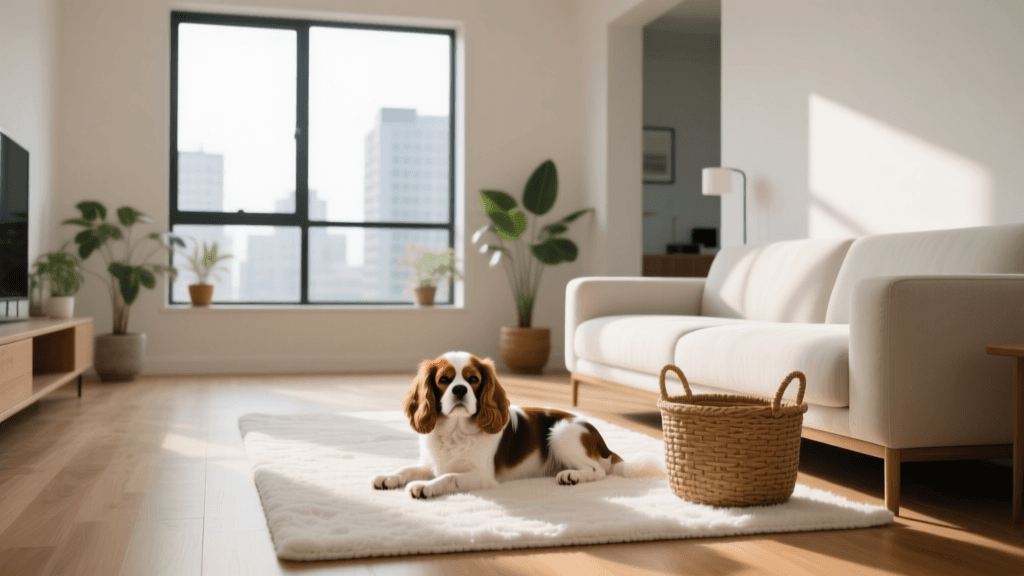
Cavaliers are the epitome of a gentle, quiet companion. They are highly attuned to their owner's emotions and prefer lounging on the sofa over patrolling the perimeter of your apartment. They are generally welcoming to strangers, meaning they won't sound the alarm every time a delivery driver drops off a package in your building's lobby. Regular health screenings, particularly for mitral valve disease, remain a top priority for this breed in 2026.
4. Shiba Inu: The Fastidious Feline-Canine
Shiba Inus are known for their cat-like cleanliness and independent nature. They are notoriously quiet dogs, preferring to observe their surroundings rather than vocalize. However, they can be stubborn and require consistent, positive reinforcement training. While they don't bark much, they are famous for the 'Shiba Scream' when highly distressed or at the vet, but in a calm apartment environment, they are remarkably serene.
5. French Bulldog: The Charming Companion
French Bulldogs continue to dominate urban popularity charts in 2026. Their low exercise requirements and minimal barking make them tailor-made for apartment life. Modern ethical breeding programs have focused heavily on improving their respiratory health, resulting in healthier dogs with slightly longer muzzles. They are affectionate, adaptable, and generally unbothered by the close quarters of city living.
6. Pug: The Shadow with a Heart of Gold
Pugs are charming, comical, and deeply devoted to their humans. They require minimal exercise and are far more interested in napping in a sunbeam than barking at the window. Because they are brachycephalic, owners must ensure their apartment is well-climate-controlled during the warmer months of 2026. Their easygoing nature makes them fantastic pets for multi-family dwellings.
7. Bichon Frise: The Cheerful Hypoallergenic Option
For apartment dwellers with allergies, the Bichon Frise is a top-tier choice. While they are cheerful and playful, they are highly trainable and can easily learn a 'quiet' command. They do not shed, which keeps your compact living space clean, but they do require professional grooming every four to six weeks to maintain their signature powder-puff coat.
Comparison Chart: Quiet Breeds at a Glance
| Breed | Weight Range | Bark Frequency | Exercise Need | Grooming Level |
|---|---|---|---|---|
| Greyhound | 60-70 lbs | Very Low | Moderate (Sprints) | Low |
| Basenji | 22-24 lbs | None (Yodels) | High | Low |
| Cavalier | 12-18 lbs | Low | Low to Moderate | Moderate |
| Shiba Inu | 17-23 lbs | Low | Moderate | Moderate (Shedding) |
| French Bulldog | 16-28 lbs | Low | Low | Low |
| Pug | 14-18 lbs | Low to Moderate | Low | Moderate (Shedding) |
| Bichon Frise | 12-18 lbs | Moderate (Trainable) | Moderate | High |
Modern Apartment Living Tips for Dog Owners in 2026
Even the quietest dog can become stressed by the unpredictable noises of an apartment building. Managing your dog's environment is just as important as selecting the right breed. The ASPCA emphasizes that environmental enrichment is key to preventing anxiety-induced vocalization in confined spaces.
Smart Home Pet Monitoring
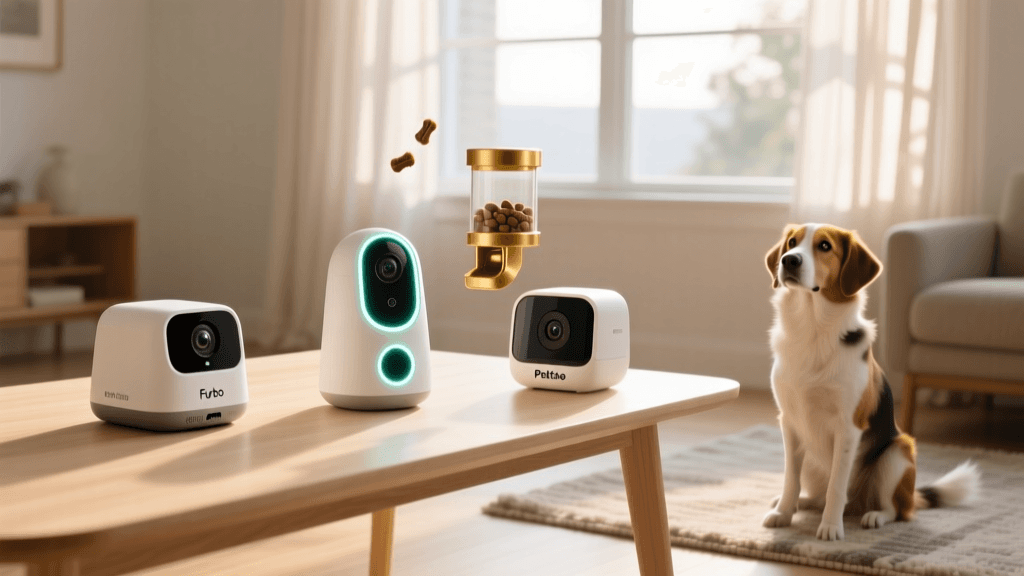
In 2026, smart pet cameras like the Furbo 360 or Petcube Bites 2 Lite are essential for apartment dwellers. These devices allow you to monitor your dog's stress levels while you are at the office. If your dog begins to pace or whine due to hallway noise, you can use the two-way audio to soothe them or dispense a treat to redirect their attention before barking begins.
Acoustic Dampening and White Noise
Shared walls mean your dog hears your neighbors, and vice versa. Invest in thick, sound-dampening area rugs to absorb the sound of your dog's paws and reduce echo. Additionally, running a high-fidelity white noise machine near your front door can mask the sounds of elevator dings, rolling luggage, and neighbor conversations, preventing your dog from feeling the need to investigate or alert you.
Indoor Enrichment Stations
Since apartment living often means less immediate access to a sprawling backyard, indoor enrichment is vital. Utilize lick mats frozen with dog-safe peanut butter and yogurt, or hide kibble in a snuffle mat to engage your dog's natural foraging instincts. A mentally tired dog is a quiet dog.
Training Tips to Minimize Barking
According to the Humane Society of the United States, addressing the root cause of barking is more effective than simply trying to suppress the behavior. In an apartment, the most common triggers are territorial barking and alert barking.
- Desensitization to Hallway Noises: Record the sounds of doors closing, footsteps, and elevators. Play these sounds at a very low volume while feeding your dog high-value treats. Gradually increase the volume over several weeks until your dog associates hallway noises with positive rewards rather than threats.
- The 'Quiet' Command: When your dog barks at a noise, calmly say 'quiet' and wait for a brief pause in the barking. The moment they stop, mark the behavior with a clicker or a 'yes' and reward them. Consistency is vital in a high-stimulus apartment environment.
- Window Film: If your apartment is on a lower floor and your dog barks at pedestrians or other dogs passing by, apply frosted window film to the lower half of your windows. This removes the visual trigger while still allowing natural light to flood your living space.
Conclusion
Living in an apartment in 2026 does not mean you have to sacrifice the joy of dog ownership. By selecting a naturally quiet breed like a Greyhound, Cavalier, or Basenji, and pairing them with modern smart-home tech and proactive environmental management, you can create a peaceful sanctuary for both you and your canine companion. Remember that every dog is an individual, and investing time in early socialization and positive reinforcement training will ensure your apartment remains a quiet, happy home for years to come.
jonas-cole
All our authors care for dogs every day — read more of their work on the authors page.