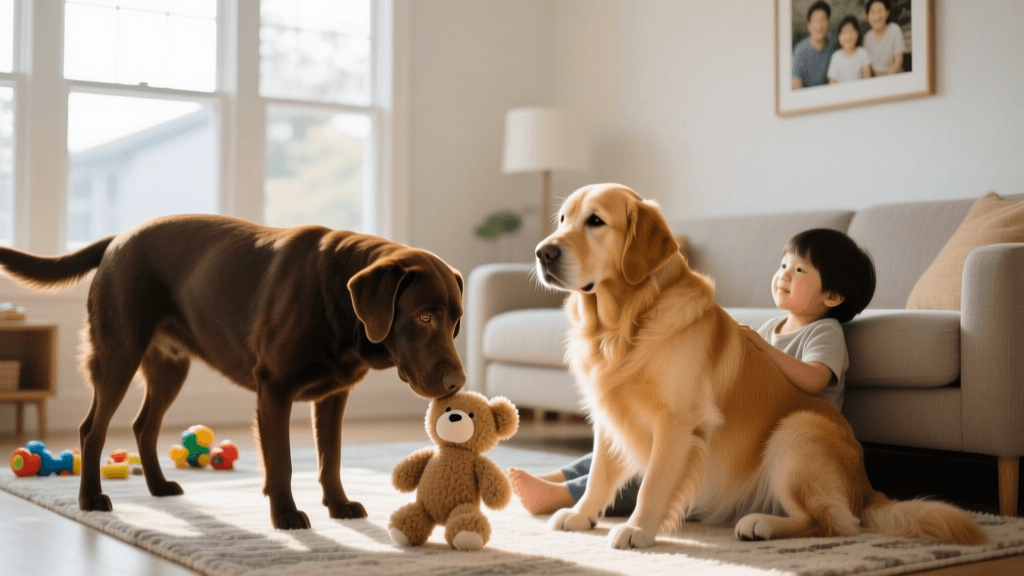
First Week Home: Daily Wellness and Potty Schedule for New Dogs
Discover the ideal daily wellness, feeding, and potty schedule for your new dog's first week home to ensure a smooth, stress-free transition.

Welcome Home: The Importance of a Day-One Routine
Bringing a new dog into your home is a momentous occasion filled with excitement, tail wags, and the promise of lifelong companionship. However, beneath the surface of those joyful first moments, your new dog is experiencing a massive environmental shift. Whether you have adopted a senior rescue dog, a rambunctious adolescent, or an eight-week-old puppy, the transition to a new environment can trigger stress, anxiety, and digestive upset. Establishing a strict daily wellness and potty schedule from day one is not about enforcing rigid obedience; it is about providing a predictable framework that allows your dog's nervous system to decompress and thrive.
The 3-3-3 Rule of Canine Decompression
Animal behaviorists and rescue organizations frequently reference the '3-3-3 Rule' of dog adoption. This guideline suggests that a new dog needs three days to decompress from the stress of the shelter or breeder environment, three weeks to begin understanding your household's routine, and three months to truly feel at home and reveal their genuine personality. During those critical first three days, a predictable wellness routine acts as an anchor. When a dog knows exactly when they will eat, eliminate, play, and sleep, their cortisol levels drop significantly. According to the Humane Society of the United States, maintaining a quiet, structured environment during this initial period is paramount to preventing behavioral issues and promoting long-term emotional wellness.
Puppy vs. Adult Dog: First Week Schedule Comparison
The daily wellness requirements for a developing puppy differ vastly from those of an adult rescue dog. Puppies require frequent elimination breaks, enforced naps, and multiple small meals to regulate their blood sugar. Adult dogs, particularly those from stressful shelter backgrounds, require 'decompression walks' and a focus on building trust through low-pressure routines. Below is a comparative schedule to help you structure your first week.
| Time of Day | 10-Week-Old Puppy Schedule | Adult Rescue Dog Schedule |
|---|---|---|
| 6:30 AM | Wake up, immediate potty trip outside (carried or leashed to prevent accidents). | Wake up, leash walk for potty and light sniffing in the yard. |
| 7:00 AM | Breakfast (measured in grams), followed by a potty break and 10 mins of play. | Breakfast, followed by a 20-minute decompression 'sniffari' walk. |
| 8:00 AM | Enforced crate nap (puppies need 18+ hours of sleep for brain development). | Free time in a puppy-proofed room or settle on a designated mat. |
| 11:00 AM | Wake, potty, 15 minutes of mental enrichment (snuffle mat or training). | Potty break, followed by a stuffed Kong or chew time in a quiet space. |
| 12:00 PM | Lunch (puppies under 6 months need 3 meals a day), then potty and nap. | Lunch (if on a twice-daily schedule, otherwise skip), then nap or quiet time. |
| 3:00 PM | Wake, potty, short socialization exposure (sitting on a porch watching the world). | Potty break, gentle grooming practice (brushing, paw handling) for wellness. |
| 5:00 PM | Dinner, potty break, and gentle indoor play (tug or fetch in a hallway). | Dinner, followed by a structured training session (5-10 minutes max). |
| 7:00 PM | Water bowl removed to prevent overnight accidents. Final evening potty. | Water bowl removed. Evening decompression walk in a quiet neighborhood. |
| 9:30 PM | Last potty trip, directly into the crate with a heartbeat toy for sleep. | Last potty trip, settle into crate or designated bed for the night. |
Feeding and Digestive Wellness Protocols
Gastrointestinal upset is incredibly common during a dog's first week home due to stress and dietary transitions. To support your dog's digestive wellness, avoid changing their food immediately. Feed the exact same brand and formula they were eating at the breeder or shelter for at least the first two weeks. If you plan to transition to a new diet, do so gradually over 7 to 10 days by mixing increasing amounts of the new food with the old.
Furthermore, ditch the standard measuring cup. The ASPCA emphasizes the importance of proper portion control to prevent obesity and joint stress, noting that even a few extra ounces a day can lead to significant weight gain over time. Invest in a cheap digital kitchen scale and weigh your dog's kibble in grams according to the feeding guidelines on the bag. This ensures precise caloric intake and allows you to accurately deduct calories if you use treats for training during the day.
Potty Training and Decompression Walks
Elimination routines are the cornerstone of a peaceful household. For puppies, the American Kennel Club recommends taking them outside immediately upon waking, after eating, after playing, and before bed. A general rule of thumb for bladder control is one hour per month of age (e.g., a two-month-old puppy can hold it for roughly two hours, though you should take them out much more frequently to build the habit).
To prevent indoor accidents during week one, utilize the 'Umbilical Cord Method.' Attach your puppy's leash to your belt loop while you are inside. This prevents them from wandering into another room to soil the carpet and allows you to catch their pre-potty signals, such as circling or intense sniffing, and immediately rush them outside to their designated potty spot. Reward heavily with high-value treats (like boiled chicken or freeze-dried liver) the moment they finish.
For adult rescue dogs, the focus shifts from strict potty training to 'decompression walks.' Shelter environments are highly overstimulating. During the first week, allow your adult dog to lead the walk and sniff as much as they want. Sniffing lowers a dog's heart rate and releases dopamine, acting as a natural calming mechanism. Keep these walks in low-traffic areas to avoid triggering leash reactivity or fear responses while they are still adjusting to their new harness and leash.
Sleep Hygiene and Enforced Naps
A well-rested dog is a healthy, behaviorally sound dog. Puppies require between 18 to 20 hours of sleep per day, while adult dogs need 12 to 14 hours. However, much like human toddlers, puppies do not always know when they are tired. Overtired puppies often manifest their exhaustion through hyperactivity, excessive biting, and an inability to settle—a phenomenon commonly known as the 'puppy zoomies.'
Implement 'enforced naps' in a crate or a quiet puppy-proofed pen. After 45 to 60 minutes of wakefulness, guide your puppy to their sleep space. To promote wellness and reduce separation anxiety in the crate, use a product like the Snuggle Puppy, which includes a simulated heartbeat and a microwaveable heat pack. This mimics the feeling of sleeping against littermates and drastically reduces first-week whining. For adult dogs, provide a covered crate or a designated 'place' bed in a low-traffic area of the home where they can retreat when they feel overwhelmed by household activity.
Tracking Your Dog's Wellness Data
During the first week, your memory will not be enough to track the subtle patterns in your new dog's behavior. Keep a dedicated 'Dog Wellness Journal' on your kitchen counter or use a pet tracking app on your smartphone. Log the following data points daily:
- Time and consistency of bowel movements: This is the earliest indicator of dietary stress or parasites.
- Water intake: Excessive drinking can indicate anxiety or underlying medical issues.
- Potty successes vs. accidents: Helps you identify if you are waiting too long between breaks.
- Sleep duration and quality: Note if your dog is pacing, panting, or settling deeply.
By treating your dog's first week as a data-gathering wellness mission rather than a test of obedience, you remove the emotional frustration from the process. You are not just teaching your new dog where to potty or when to sleep; you are actively regulating their nervous system, building a foundation of trust, and setting the stage for a lifetime of vibrant health and companionship.
hannah-wickes
All our authors care for dogs every day — read more of their work on the authors page.