Best Dog Breeds for Multi-Pet Households: A Complete Guide
Discover the best dog breeds for multi-pet households. Learn how to choose, introduce, and manage a peaceful home with dogs, cats, and other pets.
The Reality of Multi-Pet Households
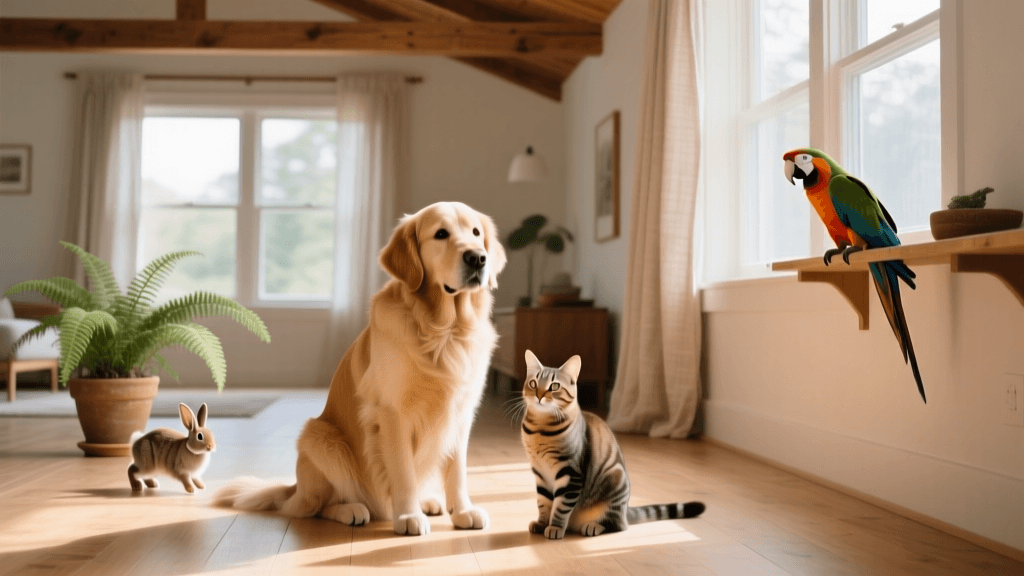
Bringing a new dog into a home that already has cats, other dogs, or small animals is a major life transition. According to the American Pet Products Association (APPA), over 65 million households in the United States own a dog, and a significant percentage of these are multi-pet homes. The success of this dynamic relies heavily on breed selection, early socialization, and structured introductions. Choosing a dog with a genetic predisposition for high prey drive or extreme territoriality can turn your peaceful home into a stressful environment. This guide explores the best dog breeds for multi-pet households, the traits you must evaluate, and the exact steps to ensure a harmonious introduction.
Key Traits to Look for in a Multi-Pet Dog
When selecting a dog to join a multi-pet household, temperament and genetic history should outweigh aesthetics. Look for the following core traits:
- Low Prey Drive: Prey drive is the instinctual urge to chase and capture small, fast-moving animals. Breeds with low prey drive are naturally less likely to view a household cat or a rabbit as a target.
- High Sociability: Dogs that are genetically wired to be pack-oriented and eager to please tend to adapt better to sharing space, resources, and human attention.
- Biddability (Trainability): A biddable dog is one that responds well to commands and looks to their owner for guidance. This is crucial when you need to issue a firm 'Leave it' or 'Place' command during a tense interaction with a resident cat.
- Moderate Energy Levels: While high-energy dogs can coexist with other pets, their boisterous play styles can easily overwhelm older cats or smaller, more fragile dogs. A dog with a moderate, predictable energy level is often a safer bet.
Top Breeds for Multi-Pet Homes
Based on historical breed purposes and general temperament profiles, several breeds consistently rank as excellent candidates for multi-pet homes. The American Kennel Club (AKC) notes that breeds originally developed for companionship or cooperative retrieving often display the best feline and canine tolerance.
| Breed | Original Purpose | Prey Drive Level | Cat Friendliness | Best Multi-Pet Match |
|---|---|---|---|---|
| Golden Retriever | Retrieving Waterfowl | Low | High | Cats and Small Dogs |
| Beagle | Pack Scent Hound | Moderate | Moderate-High | Other Dogs |
| Basset Hound | Scent Tracking | Low | High | Cats and Senior Pets |
| Cavalier King Charles | Companion | Very Low | Very High | All Indoor Pets |
| Standard Poodle | Water Retrieving | Low | High | Cats and Dogs |
Detailed Breed Profiles
Golden Retriever
Bred to retrieve waterfowl gently, Goldens possess a 'soft mouth' and a deeply ingrained desire to work alongside humans and other animals. Their tolerant nature makes them exceptional with cats, provided the cat is not overly aggressive. They are highly forgiving of a cat's occasional swat and usually prefer to retreat rather than retaliate.
Beagle
As pack hounds, Beagles were bred to hunt in large groups. This history translates into a highly social dog that rarely displays aggression toward other dogs. While their scent drive is high, their lack of aggressive prey drive usually allows them to coexist peacefully with indoor cats if raised together. However, their vocal nature (baying) might startle easily frightened pets.
Basset Hound
Famous for their low-slung bodies and laid-back attitudes, Basset Hounds are incredibly docile. Their low energy levels mean they are more likely to nap on the sofa than chase a fleeing tabby cat. They are an excellent choice for homes with older, less active cats or senior resident dogs.
Cavalier King Charles Spaniel
The ultimate companion dog, Cavaliers thrive on affection and are generally indifferent to the presence of other pets, viewing them as extended family rather than competition or prey. Their small size also means they pose little physical threat to cats or small animals, even during playful moments.
Standard Poodle
Often misunderstood due to their elaborate show clips, Standard Poodles are highly intelligent, athletic, and deeply bonded to their families. Their low shedding is a bonus, but it is their sharp intellect and eagerness to learn that makes them highly manageable in a home with cats or other dogs. They can be taught strict boundaries and impulse control commands quickly.
Breeds to Approach with Caution
While every dog is an individual, certain breeds possess genetic wiring that makes multi-pet living exceptionally challenging. Terriers (such as Jack Russell Terriers and Rat Terriers) were explicitly bred to hunt and kill small rodents. Introducing them to a home with cats, guinea pigs, or small dogs requires immense caution and constant supervision. Similarly, sighthounds like Greyhounds and Whippets have a visual prey trigger; a running cat can instantly activate their chase instinct. Huskies and Malamutes also possess notoriously high prey drives, and the ASPCA frequently advises extreme caution when mixing these breeds with small felines or pocket pets.
Resource guarding is another critical factor. Breeds that are naturally inclined to guard food, toys, or their favorite humans can create a volatile environment when other pets are present. If you are adopting a rescue dog of unknown lineage, a thorough behavioral assessment by a certified professional dog trainer (CPDT) is highly recommended before bringing them into a multi-pet home.
Step-by-Step Introduction Guide
Selecting the right breed is only half the battle. How you introduce the new dog to your resident pets will dictate the long-term success of your household. Follow this timeline for a safe integration:
- Phase 1: Scent Swapping (Days 1-3): Before the pets ever see each other, swap their bedding. Rub a clean cloth on the new dog's cheeks and place it near the cat's food bowl. This builds positive associations with the new scent.
- Phase 2: Barrier Introduction (Days 4-7): Use a sturdy baby gate, such as the Carlson Pet Products Extra Wide Walk-Thru Gate, to separate the animals. Allow them to see each other without the ability to make physical contact. Reward both animals with high-value treats (like boiled chicken or freeze-dried liver) for calm behavior.
- Phase 3: Leashed Meetings (Days 8-14): Bring the dog into the room on a secure, six-foot leather or biothane leash. Do not use a retractable leash, as they offer poor control in an emergency. Ask the dog to perform a 'Place' command on a raised cot. Let the cat approach or leave at will. Never force an interaction.
- Phase 4: Supervised Freedom (Weeks 3-4): If all previous phases show zero signs of stress, lunging, or fixation, allow off-leash interaction in a large room. Keep a leash dragging on the dog just in case you need to step on it to halt a sudden chase.
For more detailed behavioral protocols, refer to the guidelines provided by Best Friends Animal Society on gradual pet introductions and managing household dynamics.
Financial and Time Commitments
Managing a multi-pet household requires a realistic assessment of your budget and schedule.
Financial Costs: Expect to spend an additional $1,200 to $2,500 annually per pet. This includes premium species-appropriate food (approx. $60-$100/month), routine veterinary care, flea/tick/heartworm preventatives (like NexGard or Revolution Plus), and pet insurance premiums. Furthermore, maintaining hygiene in a multi-pet home requires investment in high-quality cleaning supplies. Enzymatic cleaners like Nature's Miracle are essential for breaking down pet odors that could trigger marking behaviors. You may also need to invest in automated, self-cleaning litter boxes placed in dog-proof enclosures to ensure your cat has a safe, stress-free place to eliminate without the dog investigating.
Time and Routine: Dogs in multi-pet homes often require individual attention to prevent resource guarding and jealousy. Plan for at least 30 minutes of solo walking or training time per dog, separate from group play. You will also need to budget for specialized home modifications, such as installing wall-mounted cat shelves or purchasing elevated feeding stations to ensure the cat can eat without canine interference.
Conclusion
Creating a harmonious multi-pet household is a deeply rewarding endeavor that requires careful breed selection, patience, and proactive management. By prioritizing low prey drive and high sociability, and by committing to a structured, slow introduction process, you can build a peaceful, loving environment where all your animals thrive. Remember that patience is your greatest tool; never rush the introduction phases, and always prioritize the safety and emotional well-being of your resident pets.
aaron-whyte
All our authors care for dogs every day — read more of their work on the authors page.