Road Tripping With Dogs: Top Google Questions Answered
Planning a road trip with your dog? We answer Google's most-asked questions about car safety, rest stops, crash-tested gear, and travel timelines.
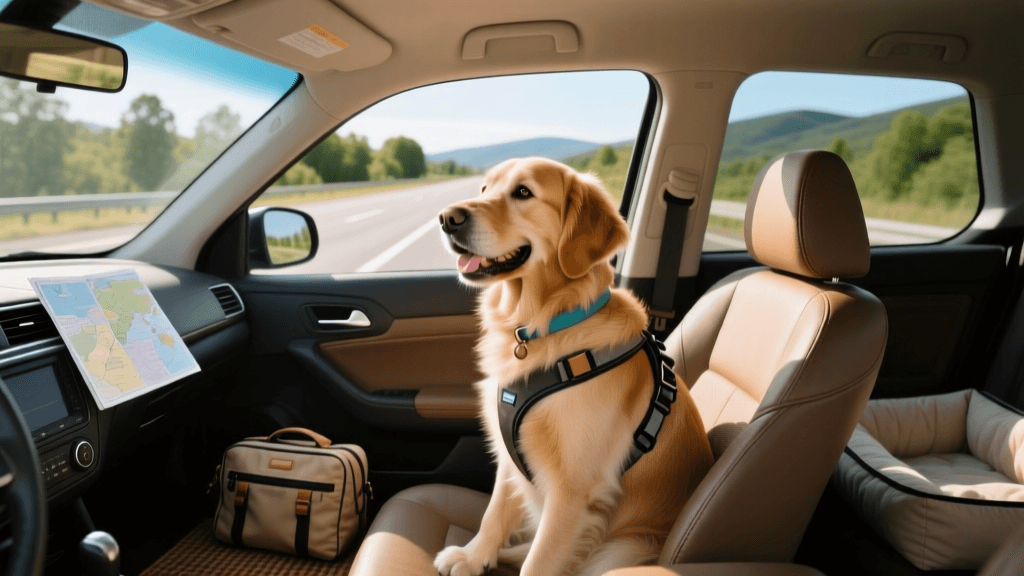
Hitting the Road With Your Dog: Google's Most-Asked Questions Answered
Embarking on a cross-country road trip or a quick weekend getaway with your dog is an incredible way to bond. However, sharing a vehicle with a four-legged friend introduces unique logistical and safety challenges. Every day, thousands of pet owners turn to search engines to figure out the rules of the road for their pups. As a senior writer for Paws-Tales, I have analyzed the most frequently searched questions regarding canine car travel to bring you this comprehensive, expert-backed guide.
Whether you are wondering about the legality of driving with a pup in your lap, or you need to know exactly how often to pull over for a potty break, we have the data-driven answers you need to ensure a safe and stress-free journey.
How Long Can a Dog Ride in a Car Safely?
One of the most common questions searched on Google is, 'How long can a dog ride in a car?' The general consensus among veterinary professionals is that adult dogs can comfortably ride in a car for up to six to eight hours in a single day, provided they are given adequate breaks. However, this is not a hard-and-fast rule, as the ideal duration depends heavily on your dog's age, health, and temperament.
For puppies, the rule of thumb is much stricter. A puppy's bladder control is roughly equivalent to their age in months plus one. Therefore, a three-month-old puppy can only hold their bladder for about four hours under ideal conditions, but the stress and motion of a car ride can accelerate the need to eliminate. Puppies and senior dogs should be given a break every one to two hours. Furthermore, dogs prone to motion sickness or anxiety may require shorter driving intervals and consultation with a veterinarian regarding anti-nausea medications like Cerenia (maropitant citrate).
Is It Illegal to Drive With a Dog in Your Lap?
Many owners search, 'Is it illegal to drive with a dog in your lap?' The answer varies by jurisdiction, but the safety consensus is universal: it is incredibly dangerous. While Hawaii is currently the only U.S. state with a specific statute explicitly prohibiting drivers from holding a dog in their lap, many other states have broad 'distracted driving' or 'obstructed view' laws that law enforcement can use to issue hefty citations if a pet is interfering with your ability to operate the vehicle safely.
Beyond the legal implications, the physical risks are severe. In the event of a collision at just 30 miles per hour, an unrestrained 60-pound dog becomes a projectile exerting roughly 2,700 pounds of force. Additionally, if your dog is in your lap or the front passenger seat and the airbag deploys, the impact can be fatal to the animal. The ASPCA strongly recommends that dogs always ride in the back seat, properly secured.
What Is the Safest Way to Restrain a Dog in a Car?
Not all pet car gear is created equal. A quick search for 'dog car harness' will yield hundreds of results, but many of these products are not independently crash-tested. To ensure maximum safety, look for gear certified by the Center for Pet Safety (CPS), a non-profit organization that conducts rigorous, independent crash testing on pet travel products using the same standards as child safety restraints.
| Restraint Method | Safety Rating | Best For | Estimated Cost |
|---|---|---|---|
| CPS-Certified Harness (e.g., Sleepypod Clickit Sport) | 5/5 Stars | Dogs 10 to 90 lbs | $70 - $110 |
| CPS-Certified Hard Crate (e.g., Gunner G1) | 5/5 Stars | Large, Giant, or Anxious Dogs | $500 - $1,200 |
| Soft-Sided Airline Carrier | 3/5 Stars | Small Dogs (Under 15 lbs) on floorboards | $40 - $90 |
| Seatbelt Tether / Zipline | 1/5 Stars | Not Recommended for Crash Safety | $10 - $25 |
While seatbelt tethers and ziplines are inexpensive and can prevent your dog from jumping into the front seat or out of an open window, they offer virtually zero crash protection and can cause severe spinal injuries during sudden deceleration. Investing in a CPS-certified harness or a crash-tested hard crate is the single best decision you can make for your dog's travel safety.
How Often Should You Stop on a Road Trip With a Dog?
Google users frequently ask, 'How often should you stop on a road trip with a dog?' The American Veterinary Medical Association (AVMA) advises planning your route around pet-friendly rest stops, aiming to pause every two to three hours. These stops should last at least 15 to 20 minutes to allow your dog to stretch their legs, hydrate, and eliminate.
When stopping at highway rest areas, always keep your dog on a secure, short leash. Rest stops are high-traffic areas with loud noises, unfamiliar dogs, and heavy vehicle exhaust, which can easily trigger a flight response in even the most well-trained dog. Never leave your dog tied to the outside of the vehicle unattended, as this makes them vulnerable to theft, extreme weather, and aggressive stray animals.
Can I Leave My Dog in the Car While I Run Errands?
The search query 'Can I leave my dog in the car for 5 minutes?' spikes during the spring and summer months. The unequivocal answer from veterinary and animal welfare organizations is no. The interior temperature of a vehicle can rise to lethal levels in a matter of minutes, even on seemingly mild days. According to veterinary studies, on a 70°F (21°C) day, the temperature inside a parked car can reach 89°F (31°C) in just 10 minutes, and 104°F (40°C) in 30 minutes. Cracking the windows or running the AC before turning off the engine does little to mitigate this rapid greenhouse effect.
Dogs cool themselves primarily through panting and releasing heat through their paw pads, making them highly susceptible to heatstroke, which can cause irreversible organ failure or death in under an hour. If you need to stop for food or fuel during a road trip, utilize drive-thrus, take turns staying in the climate-controlled vehicle with the dog, or use pet-friendly apps to locate nearby businesses that allow dogs inside.
What Should I Pack in My Dog's Road Trip Kit?
To minimize stress and handle emergencies, pack a dedicated travel kit for your dog. Here is a structured checklist of road trip essentials:
- Hydration Gear: A collapsible silicone water bowl and a dedicated gallon jug of water from home to prevent gastrointestinal upset from unfamiliar municipal water sources.
- First-Aid Supplies: Canine-safe saline eye wash, styptic powder for torn nails, self-adhering bandage wrap (Vetwrap), and tweezers for tick or thorn removal.
- Digestive Support: Probiotic supplements (like Purina FortiFlora) and a bland diet backup (instant white rice and canned plain pumpkin) to combat stress-induced colitis.
- Documentation: A physical and digital copy of your dog's rabies certificate, a recent clear photo of your dog for lost-dog flyers, and the contact info for your home vet and a 24-hour emergency vet near your destination.
- Comfort Items: A familiar, unwashed t-shirt with your scent, their primary sleeping bed, and long-lasting chew toys (like a frozen Kong stuffed with peanut butter) to alleviate boredom during long highway stretches.
Final Thoughts on Canine Car Travel
Traveling with your dog requires preparation, patience, and a commitment to safety. By answering Google's most-asked questions, we hope to replace travel anxiety with confidence. Remember that the journey is just as important as the destination. Invest in proper crash-tested restraints, respect your dog's biological needs for frequent breaks, and never compromise on temperature safety. With the right gear and a well-planned itinerary, your next road trip will be a tail-wagging success that creates lifelong memories for both you and your canine co-pilot.
hannah-wickes
All our authors care for dogs every day — read more of their work on the authors page.