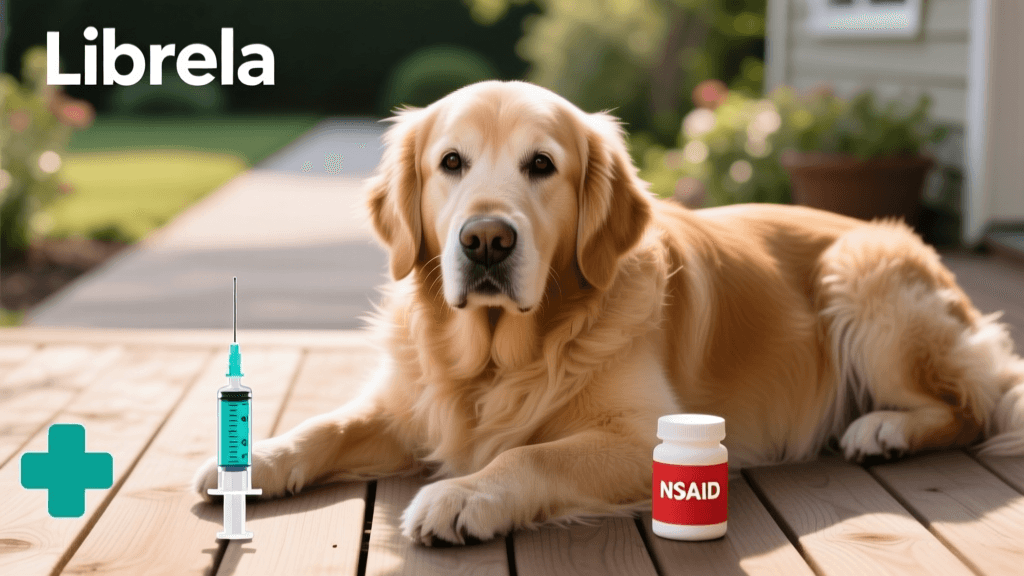
Librela vs NSAIDs for Dog Osteoarthritis: 2026 Guide
Compare Librela and NSAIDs for canine osteoarthritis in 2026. Discover costs, side effects, and efficacy to find the best pain relief for your senior dog.
The Evolution of Canine Osteoarthritis Treatment in 2026
Canine osteoarthritis (OA) is a progressive, degenerative joint disease that affects an estimated 20% of adult dogs and over 80% of senior canines. For decades, the veterinary community relied almost exclusively on a single class of medications to manage this chronic pain. However, as we navigate the veterinary landscape in 2026, the paradigm of chronic pain management has shifted dramatically. The introduction and widespread adoption of biologic therapies have fundamentally changed how we approach joint pain, mobility, and quality of life for our aging companions.
If you are a dog owner researching pain management options today, you have likely encountered the debate between traditional Non-Steroidal Anti-Inflammatory Drugs (NSAIDs) and the newer monoclonal antibody therapy, Librela (bedinvetmab). According to the Cornell University College of Veterinary Medicine, multimodal pain management is the gold standard for OA, meaning understanding the distinct mechanisms, costs, and side effect profiles of these medications is critical for making an informed decision for your dog.
Traditional NSAIDs: The Longstanding Standard of Care
Non-Steroidal Anti-Inflammatory Drugs (NSAIDs) have been the cornerstone of veterinary osteoarthritis treatment since the late 1990s. Medications such as Carprofen (Rimadyl), Meloxicam (Metacam), and Deracoxib (Deramaxx) work by inhibiting cyclooxygenase (COX) enzymes. By blocking these enzymes, NSAIDs reduce the production of prostaglandins, which are lipid compounds that trigger inflammation, pain, and fever in damaged joints.
The Benefits of NSAIDs
NSAIDs are highly effective at reducing acute inflammation and providing rapid pain relief. They are available in chewable tablets, making daily administration relatively easy for most pet owners. Furthermore, because they have been on the market for years, they are widely available, heavily studied, and generally affordable, with monthly costs in 2026 ranging from $30 to $60 depending on the dog's weight and the specific generic or brand-name formulation.
The Risks and Limitations
Despite their efficacy, NSAIDs are not without significant risks. Because COX enzymes also play a vital role in protecting the stomach lining and maintaining blood flow to the kidneys, long-term NSAID use can lead to gastrointestinal ulcers, renal toxicity, and hepatic (liver) damage. Dogs on daily NSAIDs require bi-annual comprehensive blood panels to monitor organ function. Furthermore, NSAIDs are strictly contraindicated for dogs with pre-existing kidney or liver disease, leaving a substantial portion of the senior dog population without this traditional treatment option.
Librela (Bedinvetmab): The Monoclonal Antibody Breakthrough
Approved by the FDA as the first monoclonal antibody for canine OA pain, Librela has become a mainstream therapeutic option by 2026. Unlike NSAIDs, which are chemical drugs metabolized by the liver and kidneys, Librela is a caninized monoclonal antibody—a lab-created protein that mimics the dog's natural immune system.
How Librela Works
Librela specifically targets and neutralizes Nerve Growth Factor (NGF). NGF is a protein that becomes overexpressed in arthritic joints and is responsible for amplifying pain signals sent to the brain. By binding to NGF, Librela effectively turns down the volume of pain perception without interfering with the body's natural inflammatory healing processes or compromising organ function. As noted by the U.S. Food and Drug Administration (FDA), this targeted approach represents a massive leap forward for dogs that cannot tolerate traditional medications.
Administration and 2026 Accessibility
Librela is administered via a subcutaneous (under the skin) injection by a veterinarian once a month. Early supply chain bottlenecks that plagued the initial years of the drug's release have largely stabilized as of 2026, making it much easier for veterinary clinics to keep it in stock. The cost in 2026 typically ranges from $75 to $130 per monthly injection, tiered by the dog's weight.
Grapiprant (Galliprant): The Middle Ground
When discussing OA treatments, it is also essential to mention Grapiprant (Galliprant). While often grouped with NSAIDs by pet owners, Galliprant is actually an EP4 receptor antagonist. It blocks the specific prostaglandin receptor responsible for pain and inflammation without inhibiting the COX enzymes that protect the stomach and kidneys. It is an excellent middle-ground option for dogs with mild organ compromise, though it can still cause occasional gastrointestinal upset and is generally more expensive than traditional NSAIDs.
Head-to-Head Comparison: 2026 Treatment Data
To help you visualize the differences between the primary pharmaceutical options available this year, review the comparison table below:
| Feature | Traditional NSAIDs (e.g., Carprofen) | EP4 Antagonist (Galliprant) | Monoclonal Antibody (Librela) |
|---|---|---|---|
| Mechanism of Action | COX Enzyme Inhibition | EP4 Receptor Blockade | NGF Neutralization |
| Administration | Daily Oral Chew | Daily Oral Tablet | Monthly SubQ Injection |
| Average 2026 Cost | $30 - $60 / month | $60 - $95 / month | $75 - $130 / month |
| Organ Impact | Liver & Kidneys (Requires monitoring) | Minimal (Safer for organs) | None (Metabolized like natural proteins) |
| Onset of Action | Hours to Days | Hours to Days | 1 to 2 Weeks (Builds over first 2 doses) |
| Common Side Effects | Vomiting, diarrhea, elevated liver enzymes | Mild GI upset, decreased appetite | Injection site swelling, temporary lethargy |
Adjunct Therapies: Building a Comprehensive Pain Management Plan
The American Kennel Club (AKC) emphasizes that no single medication is a silver bullet for canine osteoarthritis. The most successful 2026 treatment protocols utilize a multimodal approach, combining pharmaceuticals with joint supplements and physical therapies.
- Adequan (Polysulfated Glycosaminoglycan): An injectable disease-modifying osteoarthritis drug (DMOAD) that inhibits cartilage degradation and stimulates joint lubrication. A typical loading dose involves twice-weekly injections for four weeks, followed by monthly maintenance.
- Omega-3 Fatty Acids (EPA/DHA): High-quality fish oils act as natural anti-inflammatories. For an arthritic dog, the therapeutic dose is much higher than standard maintenance—aim for 75-100 mg of combined EPA/DHA per kilogram of body weight daily.
- Physical Rehabilitation: Underwater treadmill therapy and therapeutic laser treatments (Class IV cold lasers) are now widely available at specialized veterinary rehab centers, helping to maintain muscle mass without placing impact stress on deteriorating joints.
Environmental Modifications for Arthritic Dogs
Medical management must be paired with environmental adjustments to truly optimize your dog's wellbeing. Simple changes in your home can drastically reduce the daily mechanical stress on your dog's joints:
1. Traction and Flooring
Slippery hardwood or tile floors force arthritic dogs to splay their legs, placing immense strain on the hips and shoulders. Invest in interlocking foam mats, non-slip area rugs, or specialized dog grip-socks to provide secure footing in high-traffic areas.
2. Orthopedic Support
Standard dog beds compress over time, offering zero joint support. Upgrade to a high-density, orthopedic foam bed (such as those offered by Big Barker) that is specifically designed to prevent the dog's heavy pressure points from bottoming out against the hard floor.
3. Ramps and Stairs
Never force an arthritic dog to jump into an SUV or onto a high bed. Use a sturdy, wide ramp with a high-traction surface for vehicle loading, and place foam pet stairs next to your bed or favorite couches to allow them to maintain their independence safely.
Weight Management: The Most Critical Factor
No medication, biologic, or supplement can outwork the physics of excess weight. Keeping your dog at an ideal Body Condition Score (BCS) of 4 out of 9 is the single most effective way to slow the progression of osteoarthritis. In 2026, veterinary nutritionists highly recommend prescription joint-support diets (such as Hill's Prescription Diet j/d or Purina Pro Plan JM) which are clinically formulated to provide precise caloric restriction while delivering therapeutic levels of joint-supporting nutrients.
Conclusion: Choosing the Right Path in 2026
The choice between NSAIDs, Galliprant, and Librela is not a one-size-fits-all decision. For a young, otherwise healthy dog with acute flare-ups, traditional NSAIDs remain a highly effective and cost-efficient choice. However, for the senior dog with compromised kidney function, or the owner seeking a long-term, low-stress monthly routine, Librela represents a revolutionary advancement in veterinary medicine. By partnering closely with your veterinarian, utilizing the latest 2026 diagnostic tools, and committing to a multimodal home care routine, you can ensure your loyal companion enjoys their golden years with comfort, dignity, and mobility.
jonas-cole
All our authors care for dogs every day — read more of their work on the authors page.