Canine Osteoarthritis 2026: Librela, Home Care & Routines
Discover the best 2026 canine osteoarthritis treatments, including Librela injections, home modifications, and daily routines to keep your senior dog comfortable.
The New Era of Canine Osteoarthritis Management
Living with a dog suffering from osteoarthritis (OA) requires a delicate balance of medical intervention, environmental adjustments, and daily routine modifications. As we navigate 2026, the landscape of canine pain management has evolved dramatically. We have moved past the era of relying solely on daily non-steroidal anti-inflammatory drugs (NSAIDs), which can sometimes carry long-term gastrointestinal or renal risks for senior dogs. Today, the integration of targeted biologic therapies, advanced home ergonomics, and specialized physical routines allows our aging companions to thrive well into their golden years.
If your dog is showing signs of stiffness, reluctance to jump, or a decreased interest in their favorite activities, understanding the current 2026 standard of care is essential. This guide will walk you through the most effective modern treatments, how to optimize your living space, and how to structure a daily routine that minimizes joint stress while maximizing joy.
Targeted Biologics: The Role of Anti-NGF Therapy
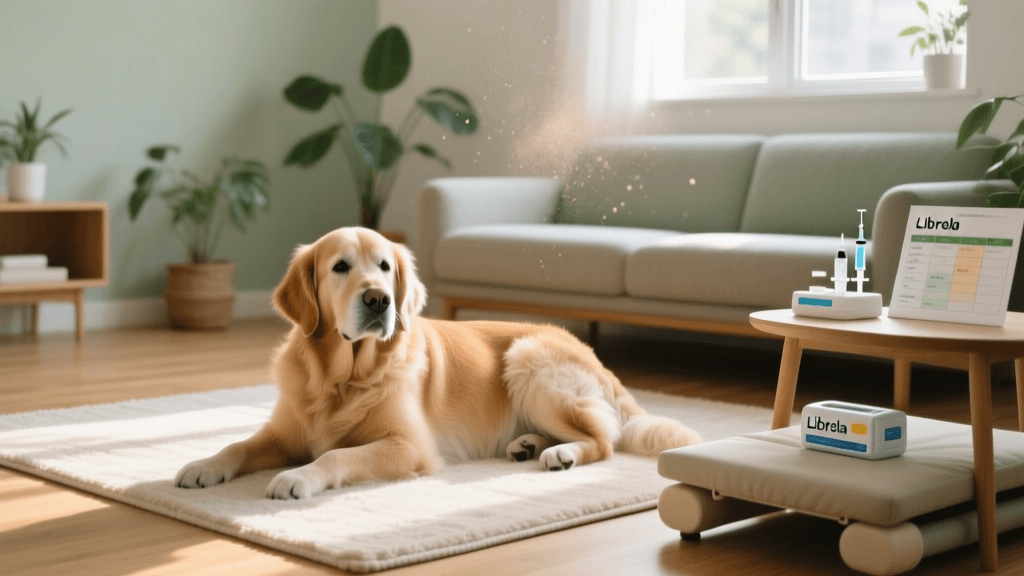
The most significant breakthrough in recent years that continues to dominate the 2026 veterinary pain management landscape is the use of anti-Nerve Growth Factor (anti-NGF) monoclonal antibodies. Medications like Librela (bedinvetmab) have fundamentally changed how we treat canine OA. Unlike traditional painkillers that mask pain or reduce systemic inflammation, anti-NGF therapies specifically target the nerve growth factor protein responsible for transmitting osteoarthritis pain signals to the brain.
Administered as a simple monthly subcutaneous injection by your veterinarian, this therapy provides continuous, targeted pain relief without the metabolic burden on the liver or kidneys. According to the WSAVA Global Pain Council, multimodal pain management is the gold standard, and integrating targeted biologics with environmental modifications yields the highest quality of life for arthritic dogs. Many pet owners report a 'puppy-like' return to vitality within the first two to three weeks of starting the monthly injection protocol.
Optimizing Your Home Environment for Joint Health
Medical management is only half the battle; the other half is ensuring your home does not inadvertently exacerbate your dog's condition. In 2026, pet ergonomics is a critical component of OA home care. Here are the specific modifications you should implement:
1. Traction and Flooring Solutions
Slippery hardwood, tile, or laminate floors are the enemy of arthritic joints. When a dog loses traction, their muscles spasm to catch them, placing immense shearing force on compromised hips and knees.
- Interlocking Foam Mats: Use high-density EVA foam puzzle mats in high-traffic areas and under your dog's bed.
- Yoga Mats and Runners: Secure non-slip rug runners with heavy-duty double-sided carpet tape. Ensure the rugs have a rubberized backing to prevent sliding.
- Paw Traction: Consider using canine grip pads or applying a veterinary-grade paw wax to improve friction on smooth surfaces.
2. Ramps and Stairs
Jumping on and off furniture or into vehicles causes micro-traumas to inflamed joints.
- Furniture Ramps: Invest in a ramp with a gentle incline. The ideal angle for a dog with severe OA is between 18 and 22 degrees. Ensure the ramp surface is covered in high-traction artificial turf or ribbed rubber.
- Vehicle Loading: Use a bi-fold or tri-fold ramp with a minimum width of 18 inches for large breeds, ensuring side rails are present to prevent slipping off the edge.
- Pet Stairs: If space does not permit a ramp, use pet stairs with deep, wide treads (at least 12 inches deep) and a maximum rise of 6 inches per step.
3. Orthopedic Sleep Stations
A standard plush dog bed will compress under the weight of a large dog, offering zero joint support. In 2026, the standard for OA beds is high-density, medical-grade orthopedic memory foam.
- Thickness: Large and giant breeds require a minimum of 4 to 6 inches of solid memory foam to prevent 'bottoming out' against the hard floor.
- Thermal Regulation: Arthritic joints respond well to warmth. Consider beds with built-in, low-voltage heating pads or use microwavable thermal inserts during colder months.
- Bolsters: Beds with low, firm bolsters provide a place for the dog to rest their head and spine, promoting better alignment during sleep.
Daily Routine Adjustments and Low-Impact Exercise
Dogs with osteoarthritis still need exercise to maintain muscle mass, which acts as a crucial shock absorber for their joints. However, the 'weekend warrior' approach—resting all week and going on a long hike on Saturday—is highly detrimental. The American Kennel Club emphasizes the importance of consistent, low-impact, and moderate exercise routines for dogs with joint disease.
Structured Walking Protocols
Replace one long daily walk with two or three shorter, 10-to-15-minute leash walks. Keep the pace steady and avoid sudden stops, starts, or sharp turns. Use a front-clip harness to distribute pressure evenly across the chest rather than the neck and spine. Always perform a 3-minute warm-up walk at a slow pace before allowing your dog to pick up their normal speed.
Mental Enrichment Over Physical Exhaustion
When physical exercise must be restricted during an OA flare-up, mental stimulation becomes your best tool for tiring out your dog.
- Snuffle Mats and Foraging: Hide your dog's daily kibble ration in a dense snuffle mat. Ten minutes of intense sniffing can burn as many calories and provide as much mental fatigue as a 30-minute walk.
- Lick Mats: Spread dog-safe peanut butter or plain pumpkin puree on a textured lick mat and freeze it. Licking releases endorphins, which naturally soothe anxiety and mild discomfort.
- Scent Work: Teach your dog to identify specific scents (like birch or anise) hidden around the house. This allows them to 'hunt' at their own pace without high-impact movements.
2026 Comparison: OA Management Tools and Costs
Managing canine osteoarthritis is a multimodal effort. Below is a comparison of the most common treatments, home modifications, and their estimated costs in 2026 to help you budget for your dog's comprehensive care plan.
| Treatment / Modification | Purpose | Estimated 2026 Cost | Frequency / Lifespan |
|---|---|---|---|
| Anti-NGF Injections (e.g., Librela) | Blocks nerve growth factor to stop pain signals at the source | $80 - $160 per dose (weight-dependent) | Once monthly |
| Cold Laser Therapy (Photobiomodulation) | Reduces local inflammation and promotes cellular healing | $40 - $75 per session | 1-2 times weekly (initially), then monthly |
| High-Density Orthopedic Bed | Prevents joint compression and supports spinal alignment during sleep | $150 - $350 | Replace every 2-3 years |
| Omega-3 Joint Supplements (EPA/DHA) | Provides systemic anti-inflammatory support for cartilage health | $30 - $60 per month | Daily |
| Custom Canine Wheelchair / Cart | Supports hindquarters for dogs with severe rear-limb weakness | $350 - $600 | As needed (adjustable as dog ages) |
Nutrition and Weight Management
No amount of medication or home modification can fully compensate for the mechanical stress caused by excess body weight. Keeping your dog at a lean, ideal body condition score (BCS of 4 or 5 out of 9) is the single most effective lifestyle intervention for OA. In 2026, veterinary nutritionists heavily recommend prescription joint diets that are clinically proven to improve mobility. These diets are fortified with high levels of eicosapentaenoic acid (EPA), an omega-3 fatty acid that inhibits the enzymes responsible for cartilage degradation.
If your dog is on a commercial diet, ensure you are supplementing with a high-quality, triglyceride-form Omega-3 fish oil specifically formulated for dogs, as human supplements often contain flavorings (like lemon) that are unpalatable or unsafe for canines. Additionally, consider adding green-lipped mussel powder, which contains a unique profile of glycosaminoglycans (GAGs) that support joint fluid viscosity.
Monitoring and Tracking Pain at Home
Dogs are stoic creatures and will often hide their pain until it becomes severe. As an owner, you must become an active observer. Keep a digital or physical 'mobility journal' to track your dog's daily activities. Note any changes in their willingness to climb stairs, their sleeping positions (e.g., sleeping stretched out vs. curled up tightly), and their reaction to being touched along the spine or hips.
Watch for subtle signs of breakthrough pain, such as excessive panting, lip licking, yawning when not tired, or a sudden aversion to being groomed. If you notice these signs, it may indicate that your dog's current pain management protocol needs adjustment. Always consult your veterinarian before altering medication dosages or adding new supplements to your dog's regimen.
Conclusion: Embracing Life with an Arthritic Dog
A diagnosis of canine osteoarthritis is not a reason to despair; rather, it is a call to adapt. By leveraging the advanced biologic treatments available in 2026, meticulously modifying your home environment to prevent slips and falls, and shifting your daily routine toward low-impact mental and physical enrichment, you can profoundly improve your dog's quality of life. The goal is not just to add years to your dog's life, but to add life to their years, ensuring that every day shared together is as comfortable, joyful, and pain-free as possible.
jonas-cole
All our authors care for dogs every day — read more of their work on the authors page.