Best Canine OA Treatments in 2026: Librela, Galliprant & Care
Discover the best canine OA treatments in 2026. Compare Librela, Galliprant, and holistic therapies to manage your dog's joint pain and improve mobility.
Understanding Canine Osteoarthritis in 2026
Canine osteoarthritis (OA) is a progressive, degenerative joint disease that affects an estimated 25% to 30% of all dogs. As we navigate the veterinary landscape in 2026, the approach to managing canine OA has shifted dramatically from simply masking pain to fundamentally altering the disease's progression and improving the overall quality of life. If your dog is showing signs of stiffness, reluctance to jump, lagging behind on walks, or a decreased appetite for play, understanding the latest multimodal treatment options is critical. According to the American Veterinary Medical Association (AVMA), early intervention and a combination of medical and environmental therapies yield the best long-term outcomes for arthritic dogs.
The Anti-NGF Revolution: Librela (Bedinvetmab)
The most significant breakthrough in recent years, which continues to dominate veterinary pain management protocols in 2026, is the use of anti-Nerve Growth Factor (NGF) monoclonal antibodies. Librela (bedinvetmab) is a monthly subcutaneous injection that specifically targets and neutralizes NGF, a protein that plays a primary role in the transmission of pain signals in osteoarthritic joints. Unlike traditional NSAIDs, Librela does not rely on the liver or kidneys for metabolism, making it an exceptionally safe option for senior dogs or those with pre-existing hepatic or renal conditions.
In 2026, the average cost of a Librela injection ranges from $85 to $130 per dose, depending on the dog's weight and the veterinary clinic's pricing structure. Most pet owners report a noticeable improvement in their dog's mobility and comfort within 7 to 14 days after the first or second injection. Because it is administered by a veterinarian during a monthly wellness visit, it also ensures that the dog receives regular physical examinations to monitor overall health.
Targeted Pain Relief: Galliprant (Grapiprant)
For dogs that require daily oral medication, Galliprant (grapiprant) remains a cornerstone of OA management. Galliprant belongs to a class of drugs known as piprants. Rather than inhibiting all cyclooxygenase (COX) enzymes like traditional NSAIDs (e.g., carprofen or meloxicam), Galliprant specifically blocks the EP4 prostaglandin receptor. This targeted approach effectively reduces inflammation and pain at the site of the joint while sparing the gastrointestinal tract, kidneys, and liver from the harsh side effects commonly associated with broader COX inhibition.
Galliprant is administered as a daily oral tablet, ideally given on an empty stomach or with a small amount of food. The 2026 retail price for a one-month supply typically falls between $60 and $95. While it is highly effective for mild to moderate OA, veterinarians often combine it with joint supplements or physical therapy for severe cases, adhering to the multimodal pain management guidelines established by the American Animal Hospital Association (AAHA).
Disease-Modifying Osteoarthritis Drugs (DMOADs)
While pain relievers manage symptoms, Disease-Modifying Osteoarthritis Drugs (DMOADs) aim to slow the actual degradation of cartilage. Adequan Canine (polysulfated glycosaminoglycan or PSGAG) is the premier DMOAD available. Administered via a series of intramuscular injections—typically twice a week for four weeks, followed by a monthly maintenance dose—Adequan inhibits the enzymes that break down joint cartilage while simultaneously stimulating the production of new synovial fluid and cartilage matrix.
Adequan is particularly beneficial for highly active dogs, working breeds, or those recovering from orthopedic surgeries like TPLO (Tibial Plateau Leveling Osteotomy). A full loading series in 2026 costs approximately $250 to $350, with subsequent maintenance doses costing around $40 to $60 each.
2026 Canine OA Medication Comparison Chart
| Medication | Drug Class | Administration | Primary Benefit | Est. Monthly Cost (2026) |
|---|---|---|---|---|
| Librela | Anti-NGF Monoclonal Antibody | Monthly Subcutaneous Injection | Targeted nerve pain relief; safe for liver/kidneys | $85 - $130 |
| Galliprant | EP4 Receptor Antagonist (Piprant) | Daily Oral Tablet | Reduces inflammation; GI and renal sparing | $60 - $95 |
| Adequan | DMOAD (PSGAG) | Intramuscular Injection (Series/Maintenance) | Slows cartilage degradation; improves synovial fluid | $40 - $60 (Maintenance) |
| Carprofen | Traditional NSAID | Daily Oral Chewable | Broad-spectrum pain and inflammation relief | $30 - $55 |
Nutritional Interventions and Weight Management
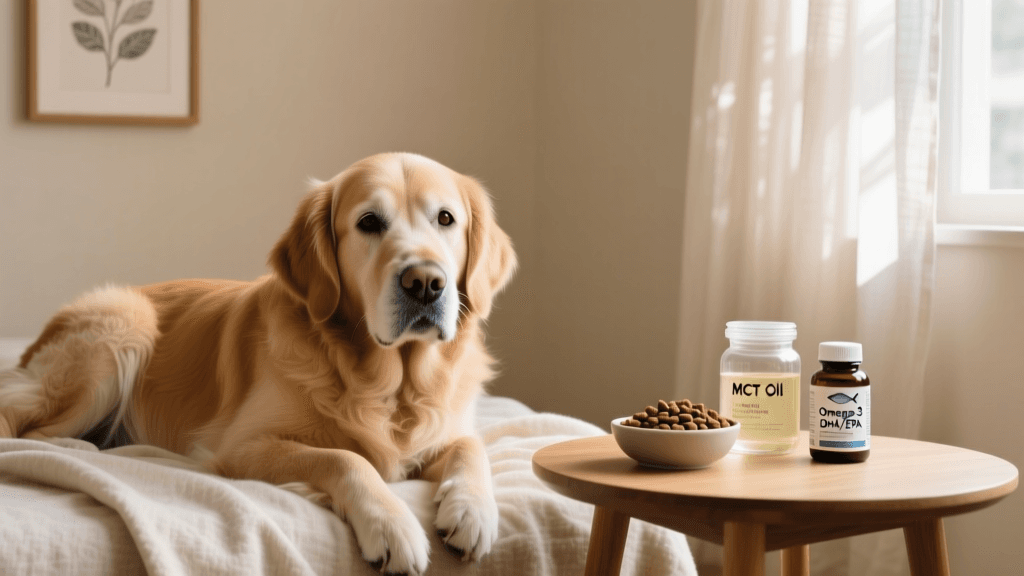
No medical treatment for canine OA will be fully effective if the dog is carrying excess weight. Every extra pound places exponential stress on compromised joints. In 2026, veterinary nutritionists emphasize the use of targeted therapeutic diets. Foods like Hill's Prescription Diet j/d and Royal Canin Joint Care are fortified with high levels of EPA (eicosapentaenoic acid), an omega-3 fatty acid that has been clinically proven to reduce joint inflammation and improve mobility.
Additionally, over-the-counter joint supplements remain a popular adjunct therapy. Look for supplements containing a synergistic blend of Glucosamine Hydrochloride, Chondroitin Sulfate, MSM, and Undenatured Type II Collagen (UC-II). Products like Dasuquin Advanced or GlycoFlex Plus are highly recommended by veterinary orthopedic specialists to support cartilage matrix synthesis and reduce oxidative stress within the joint capsule.
Physical Rehabilitation and Environmental Modifications
The American College of Veterinary Surgeons (ACVS) strongly advocates for physical rehabilitation as a core component of OA management. Canine hydrotherapy, particularly the use of underwater treadmills, allows dogs to build muscle mass and maintain cardiovascular health without the concussive impact of walking on hard surfaces. The buoyancy of the water supports the dog's weight, while the resistance of the water strengthens the stabilizing muscles around the affected joints.
Class IV Therapeutic Laser Therapy is another non-invasive modality gaining traction in 2026. By delivering specific wavelengths of light deep into the tissues, laser therapy stimulates cellular regeneration, increases local blood circulation, and significantly reduces localized inflammation. Most veterinary rehabilitation centers offer laser therapy packages ranging from $45 to $75 per session.
At home, environmental modifications are essential. Invest in high-quality orthopedic beds, such as those from Big Barker, which utilize therapeutic foam that will not flatten over time, ensuring your dog's joints remain supported during sleep. Replace slippery hardwood or tile floors with interlocking foam mats or non-slip area rugs to prevent sudden splaying and micro-traumas to the joints. Finally, utilize adjustable pet ramps or stairs to help your dog access vehicles, beds, and couches without the need for high-impact jumping.
Building a Multimodal Care Plan
The gold standard for treating canine osteoarthritis in 2026 is a multimodal approach. This means combining pharmaceutical interventions like Librela or Galliprant with weight management, targeted nutrition, physical therapy, and home modifications. By attacking the disease from multiple angles, you can minimize the required dosage of any single medication, thereby reducing the risk of side effects while maximizing your dog's comfort. Always consult with your primary care veterinarian or a board-certified veterinary pain management specialist to tailor a protocol that addresses your dog's specific orthopedic needs, age, and lifestyle.
robin-maitland
All our authors care for dogs every day — read more of their work on the authors page.