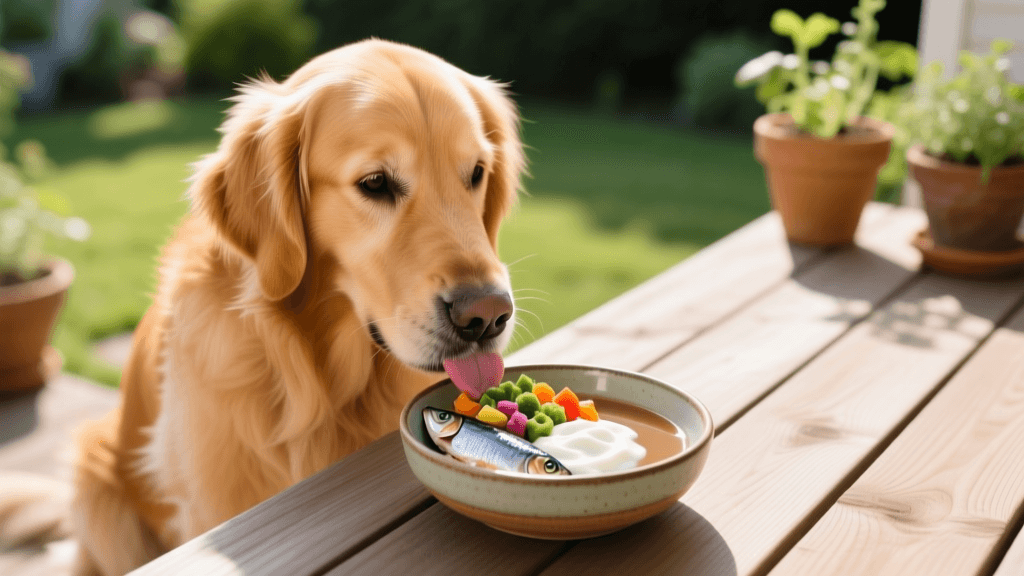
Science-Backed Nutrition for Canine Cognitive Dysfunction
Discover science-backed nutritional strategies, including MCTs and Omega-3s, to slow canine cognitive dysfunction and support aging dog brain health.
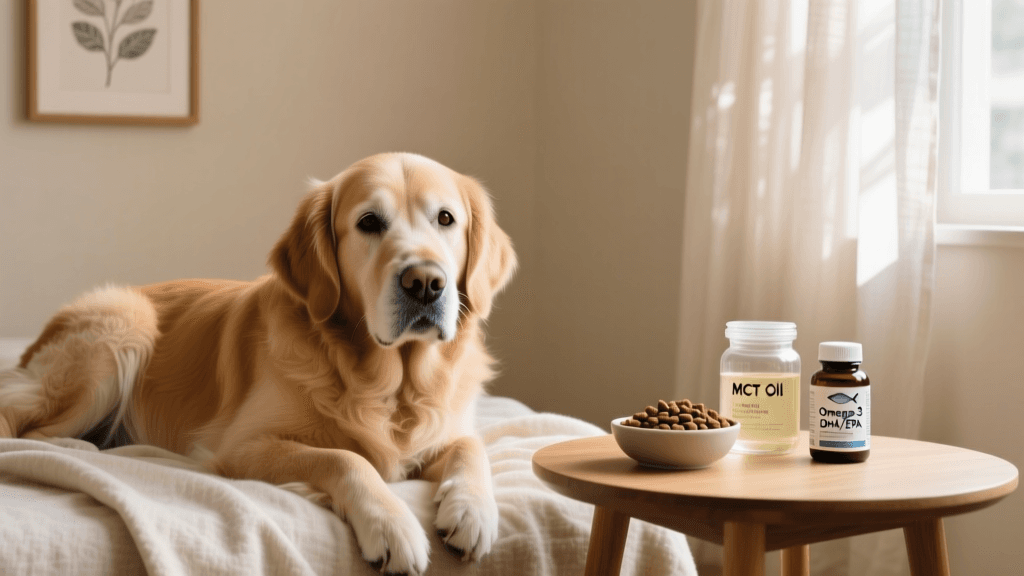
Understanding Canine Cognitive Dysfunction Syndrome (CDS)
Canine Cognitive Dysfunction Syndrome (CDS), commonly referred to as dog dementia, is a progressive neurodegenerative disease that affects aging dogs. According to the Cornell University College of Veterinary Medicine, CDS shares striking pathological and clinical similarities with Alzheimer’s disease in humans. Symptoms include disorientation, altered interactions with family members, sleep-wake cycle disturbances, and house-soiling. While there is no outright cure, modern veterinary neurology has shifted toward aggressive, science-backed nutritional interventions to slow cognitive decline and improve quality of life.
In this comprehensive guide, we explore the biochemical mechanisms behind brain aging in dogs and provide a precise, actionable nutritional protocol utilizing Medium-Chain Triglycerides (MCTs) and Omega-3 fatty acids.
The Science of the Aging Canine Brain
The aging dog brain undergoes several detrimental changes, most notably the accumulation of beta-amyloid plaques, increased oxidative stress, and a decline in glucose metabolism. Glucose is the primary fuel source for the mammalian brain. However, as dogs age, their brain's ability to transport and metabolize glucose significantly diminishes, leading to an energy deficit that manifests as cognitive impairment.
Beta-amyloid proteins are toxic to neurons, causing them to misfire and eventually die. As these proteins accumulate, they form plaques that disrupt cellular communication. Furthermore, the aging brain experiences a reduction in endogenous antioxidants like glutathione, leaving neurons highly vulnerable to free radical damage. This is why dietary antioxidants (such as Vitamin E and Selenium) are often included in commercial neuro-diets to act as a secondary line of defense alongside the primary energy-providing MCTs.
Science offers a metabolic workaround for the energy deficit: ketone bodies. Unlike glucose, ketones can readily cross the blood-brain barrier via monocarboxylate transporters, providing an alternative, highly efficient energy source for starving neurons. This is where targeted nutritional supplementation becomes critical.
The Role of Medium-Chain Triglycerides (MCTs)
Medium-Chain Triglycerides, specifically caprylic acid (C8) and capric acid (C10), are unique fats that bypass standard lymphatic digestion. They are transported directly to the liver, where they are rapidly converted into ketones. A landmark study published in the National Center for Biotechnology Information (NCBI) demonstrated that dietary supplementation with MCTs significantly improved cognitive function in aged dogs by elevating blood ketone levels, thereby rescuing neuronal energy metabolism.
Omega-3 Fatty Acids: EPA and DHA
While MCTs provide immediate energy, Omega-3 fatty acids—specifically Eicosapentaenoic acid (EPA) and Docosahexaenoic acid (DHA)—provide structural and anti-inflammatory support. DHA is a primary structural component of the cerebral cortex. Furthermore, EPA combats neuroinflammation, a key driver of beta-amyloid toxicity. The Tufts University Cummings Veterinary Medical Center emphasizes that the therapeutic dose of Omega-3s for neurological support is vastly higher than what is found in standard maintenance dog foods.
Actionable Nutritional Protocol for CDS
Implementing a neuro-protective diet requires precision. Below is a science-backed protocol designed for a standard 50 lb (22.7 kg) senior dog. Always consult your primary veterinarian before initiating new supplementation, especially if your dog has a history of pancreatitis or fat malabsorption.
Step 1: MCT Oil Titration Schedule
Introducing MCT oil too quickly can cause severe gastrointestinal distress, including osmotic diarrhea. Use pure C8 or C8/C10 blend MCT oil (avoid C12/lauric acid, which behaves more like a long-chain fat). For a 50 lb dog, the target maintenance dose is 1.5 teaspoons (approx. 7.5 ml) per day.
- Days 1-3: 1/4 teaspoon once daily with food.
- Days 4-6: 1/2 teaspoon once daily with food.
- Days 7-9: 1/2 teaspoon twice daily (morning and evening).
- Day 10+: 3/4 teaspoon twice daily (total 1.5 tsp/day).
Step 2: Omega-3 Therapeutic Dosing
For neurological support, the target is roughly 100 mg of combined EPA/DHA per kilogram of metabolic body weight. For a 50 lb dog, this equates to approximately 1,000 mg to 1,200 mg of combined EPA/DHA daily. Standard drugstore fish oils are often insufficient and prone to oxidation. Opt for triglyceride-form, third-party tested marine oils.
Commercial Neuro-Diets vs. DIY Supplementation
Dog owners generally have two routes to address CDS nutritionally: prescription/commercial neuro-care diets or DIY supplementation over a high-quality base diet. Below is a comparison chart to help you decide based on your budget and your dog's dietary needs.
| Intervention Method | Key Active Ingredients | Pros | Cons | Est. Monthly Cost (50lb Dog) |
|---|---|---|---|---|
| Commercial Neuro-Diet (e.g., Purina Pro Plan NeuroCare) | MCTs, EPA/DHA, Antioxidants, Arginine | Convenient; scientifically formulated; guaranteed analysis | Less control over individual nutrient dosing; contains plant-based fillers | $85 - $100 |
| DIY Supplementation (MCT Oil + Fish Oil) | Pure C8 MCT, High-EPA Fish Oil | Highly customizable; can be added to fresh/raw diets; pure ingredients | Requires daily measuring and titration; risk of GI upset if rushed | $45 - $60 |
Recommended Products and Sourcing
To ensure safety and efficacy, sourcing high-quality supplements is non-negotiable. Rancid fish oil can actually exacerbate oxidative stress in the brain. Here are specific, reputable products that align with veterinary nutritional standards:
- MCT Oil: Sports Research Coconut MCT Oil or NOW Foods Organic MCT Oil. Ensure the label specifies C8 and C10 derived from coconuts, not palm oil, to avoid unnecessary laxative effects and support sustainable sourcing. (Cost: ~$15 - $20 per 16oz bottle).
- Omega-3 Fish Oil: Nordic Naturals Omega-3 Pet or Grizzly Salmon Plus. These brands utilize dark, UV-protective bottles and provide batch-specific Certificates of Analysis (CoA) proving low heavy metal and peroxide values. (Cost: ~$25 - $35 per bottle).
- Commercial Diet: Purina Pro Plan Veterinary Diets NeuroCare. This is an over-the-counter (non-prescription) dry kibble specifically formulated with brain-protective nutrients and MCTs. (Cost: ~$80 per 30lb bag).
Environmental Enrichment: The Synergistic Approach
'Nutritional intervention provides the biochemical building blocks for brain health, but environmental enrichment drives the neuroplasticity required to form new neural pathways. They must be used in tandem for optimal CDS management.' — Consensus in Veterinary Behavioral Medicine
While MCTs and Omega-3s protect the brain, you must encourage your dog to use it. The AKC Canine Health Foundation recommends combining dietary changes with daily cognitive exercises. For a senior dog, this doesn't mean intense agility training; rather, it involves 10-15 minutes of daily scent work, puzzle feeders (like the Kong Classic or Outward Hound Nina Ottosson Dog Brick), and exploring novel walking routes to stimulate spatial memory.
Monitoring and Adjusting the Protocol
Keep a daily journal tracking your dog's CDS symptoms using the DISHA-A assessment (Disorientation, Interactions, Sleep, House-soiling, Activity, Anxiety). You should begin to see improvements in sleep-wake cycles and nighttime pacing within 3 to 4 weeks of reaching the target MCT and Omega-3 dosages. When tracking DISHA-A, assign a score from 1-5 for each category daily. A decrease in the overall score indicates a positive response to the nutritional protocol.
Additionally, monitor your dog's stool quality closely during the first two weeks. If soft stools persist beyond the titration phase, reduce the MCT dose by 25% and substitute the remaining fat calories with a high-quality, easily digestible omega-3 source. If no cognitive improvement is noted after 8 weeks, consult a board-certified veterinary neurologist to discuss adjunct pharmaceutical therapies, such as Selegiline (Anipryl).
Conclusion
Canine Cognitive Dysfunction is a daunting diagnosis, but it is not a dead end. By leveraging science-backed insights into brain metabolism, specifically through the strategic use of MCTs and targeted Omega-3 fatty acids, you can provide your aging dog with the neurological support they need. Consistent dosing, high-quality sourcing, and synergistic mental enrichment can dramatically alter the trajectory of your dog's golden years, preserving their personality and your profound bond for as long as possible.
marcus-aldridge
All our authors care for dogs every day — read more of their work on the authors page.