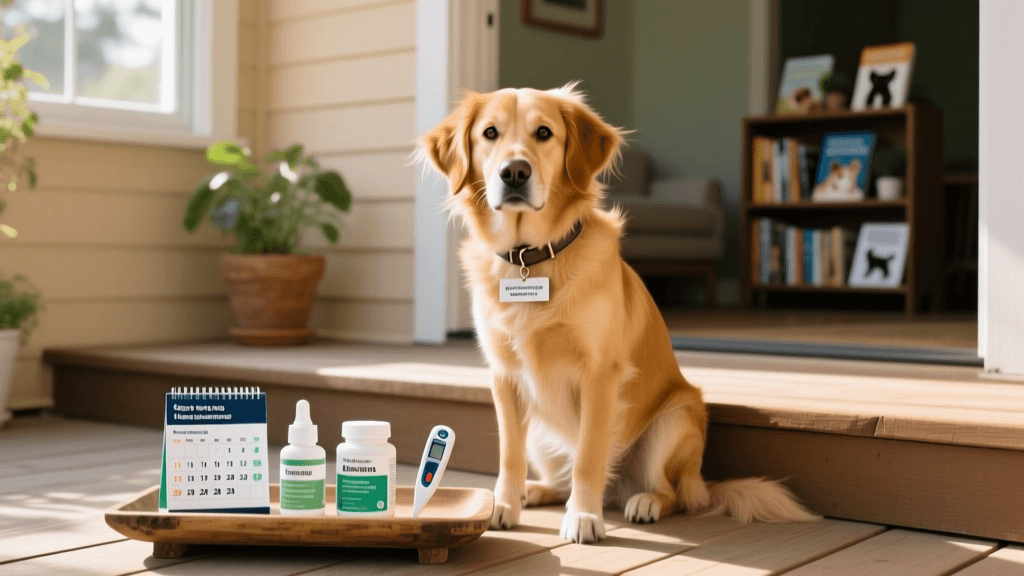
Top Smart Dog Trackers for Canine Health Monitoring
Discover the best smart dog trackers for monitoring your pet's health, activity, and sleep. Compare top tech gear to keep your dog fit and happy.

The Evolution of Canine Wearable Technology
As dedicated pet parents, we constantly seek innovative ways to extend the lifespan and improve the daily quality of life for our canine companions. In recent years, the intersection of veterinary science and consumer technology has given rise to a revolutionary category of pet care gear: smart health trackers. No longer just simple GPS locators for escape-prone pups, modern smart collars and wearable attachments are sophisticated health monitoring devices. They utilize advanced 3-axis accelerometers, machine learning algorithms, and veterinary-approved metrics to provide a continuous, real-time window into your dog's physical and mental wellbeing.
Understanding your dog's baseline health is critical. Dogs are masters at hiding pain and discomfort, an evolutionary trait inherited from their wild ancestors. By the time a dog exhibits visible signs of illness or joint pain, the underlying condition may have progressed significantly. Smart health trackers bridge this gap by alerting you to subtle deviations in your dog's daily routines, sleep patterns, and activity levels long before physical symptoms become obvious to the naked eye.
Essential Health Metrics Tracked by Smart Collars
When evaluating gear from a health and wellbeing perspective, it is crucial to look beyond basic step counting. Dogs do not move like humans, and human fitness metrics do not translate directly to canine physiology. The best canine health trackers focus on species-specific data points.
Active Minutes vs. Resting Periods
Unlike humans who aim for 10,000 steps, canine health is better measured in 'active minutes' versus 'resting periods.' High-quality trackers differentiate between low-intensity movement (like wandering around the house) and high-intensity activity (like running, fetching, or playing). This distinction is vital for managing cardiovascular health and ensuring your dog is getting the appropriate level of aerobic exercise for their specific breed and age.
Sleep Quality and Interruptions
Dogs are polyphasic sleepers, meaning they sleep in multiple shorter bouts throughout the day and night rather than one long continuous block. Advanced trackers monitor sleep quality by tracking restlessness and frequent awakenings. A sudden increase in nighttime interruptions or a decrease in deep sleep phases can be an early indicator of anxiety, cognitive dysfunction in senior dogs, or physical discomfort such as osteoarthritis.
Caloric Expenditure and Scratching
Premium devices now calculate caloric burn based on your dog's specific weight, age, and breed profile. Furthermore, some cutting-edge collars include sensors that detect and log scratching and licking behaviors. A spike in these metrics can alert you to the onset of environmental allergies, flea infestations, or skin infections, allowing for rapid veterinary intervention.
Top Smart Trackers for Dog Health: A Comparison Chart
Choosing the right equipment depends on your specific health monitoring needs, budget, and your dog's lifestyle. Below is a structured comparison of the top health-focused wearable trackers currently on the market.
| Device | Primary Health Metrics | Battery Life | Subscription Required | Best For |
|---|---|---|---|---|
| Whistle GO | Activity, Sleep, Calories, Scratching/Licking | Up to 20 days | Yes | Comprehensive medical baseline monitoring |
| Fi Series 3 | Activity, Sleep, GPS Tracking, Safe Zones | Up to 3 months | Yes | Active adventure dogs and escape artists |
| FitBark 2 | Activity, Sleep Quality, Caloric Burn | Up to 6 months | No | Budget-conscious daily health tracking |
Combating the Pet Obesity Epidemic with Data
One of the most profound applications of canine wearable technology is in the fight against pet obesity. According to the Association for Pet Obesity Prevention, over 50% of dogs in the United States are classified as overweight or obese. This excess weight drastically increases the risk of severe health conditions, including type 2 diabetes, cranial cruciate ligament injuries, and cardiovascular disease.
The American Veterinary Medical Association emphasizes that structured, data-driven weight management plans are critical for long-term health. Smart trackers remove the guesswork from this process. By inputting your dog's current weight and target weight into the companion app, the device will calculate a precise daily caloric burn goal. You can then cross-reference this data with your dog's food intake to create a calibrated caloric deficit. Instead of guessing if a 20-minute walk was sufficient, the tracker provides empirical proof of your dog's energy expenditure, ensuring that weight loss is steady, safe, and effective.
Monitoring Senior Dogs and Joint Health
As dogs enter their golden years, their health requirements shift dramatically. The American Kennel Club notes that senior dogs require specialized care routines, particularly regarding mobility and joint health. Canine osteoarthritis is a degenerative condition that affects a vast majority of older dogs, but early signs are often masked by the animal's stoic nature.
Health trackers are invaluable for senior dog care. By establishing a baseline of your dog's mobility during their middle-aged years, you can track the gradual decline in high-intensity activity that often accompanies joint pain. More importantly, monitoring sleep disturbances is a game-changer. Dogs with arthritis often struggle to get comfortable, leading to frequent shifting and waking during the night. If your tracker alerts you to a sudden spike in nighttime restlessness, it provides you with concrete data to present to your veterinarian. This allows for proactive adjustments to pain management protocols, joint supplements, or orthopedic bedding before your dog's quality of life severely diminishes.
'Technology cannot replace the diagnostic expertise of a licensed veterinarian, but it provides an unprecedented continuous stream of baseline data that makes veterinary visits more productive, proactive, and tailored to the individual animal.'
Best Practices for Fitting and Using Smart Gear
To ensure accurate health data and maintain your dog's physical comfort, proper gear management is essential. Follow these actionable guidelines when using smart collars:
- The Two-Finger Rule: Always ensure you can comfortably slide two fingers between the collar and your dog's neck. A collar that is too tight can cause tracheal damage and skin irritation, while one that is too loose will yield inaccurate accelerometer data and pose a snagging hazard.
- Consistent Wear Time: Health algorithms require continuous data to establish accurate baselines. Only remove the collar for charging or grooming. Many modern devices offer rapid-charge features that require only 15 minutes of charging time to minimize data gaps.
- Account for Environmental Factors: Ensure your device has an IPX7 or higher waterproof rating. Dogs sweat through their paw pads and pant to cool down, but they also drink messily and play in the rain. A sub-par waterproof seal will destroy the internal sensors, rendering the health data useless.
- Update Weight Profiles: Remember to update your dog's weight in the companion app every time you visit the vet. Caloric burn algorithms rely heavily on accurate mass calculations; an outdated weight profile will skew your nutritional data.
Final Thoughts on Pet Wearable Tech
Investing in a smart health tracker is an investment in preventative veterinary care. While the initial cost of the hardware and the associated monthly subscriptions may seem like a premium expense, the ability to detect allergies, manage obesity, and monitor senior joint health proactively can save thousands of dollars in emergency veterinary bills down the line. By integrating this technology into your daily routine, you transition from a reactive pet owner to a proactive health guardian, ensuring your canine companion lives their longest, most vibrant life possible.
beth-carrasco
All our authors care for dogs every day — read more of their work on the authors page.