Librela for Canine OA: 2026 Multimodal Treatment Guide
Discover the 2026 multimodal protocol for canine osteoarthritis, combining Librela injections, targeted supplements, and home modifications for joint health.
The Evolution of Canine Osteoarthritis Treatment in 2026
Canine osteoarthritis (OA) is a degenerative joint disease that affects millions of dogs worldwide, leading to chronic pain, reduced mobility, and a diminished quality of life. As of 2026, veterinary medicine has shifted away from relying solely on traditional non-steroidal anti-inflammatory drugs (NSAIDs) as the first line of defense. While NSAIDs remain useful, the modern gold standard for managing canine OA is a multimodal approach anchored by anti-Nerve Growth Factor (anti-NGF) monoclonal antibody therapies. This comprehensive guide explores the 2026 consensus on treating canine OA, focusing on the integration of Librela (bedinvetmab), targeted nutritional supplements, environmental modifications, and physical rehabilitation.
What is Librela (Bedinvetmab) and How Does It Work?
Librela, known generically as bedinvetmab, is a revolutionary canine-specific monoclonal antibody that targets Nerve Growth Factor (NGF). NGF is a protein that plays a critical role in pain signaling. In dogs with osteoarthritis, NGF levels are elevated in and around the affected joints, leading to heightened pain sensitivity and central nervous system sensitization. By binding to NGF, Librela prevents it from interacting with its receptors, effectively 'turning down the volume' on pain signals before they reach the brain.
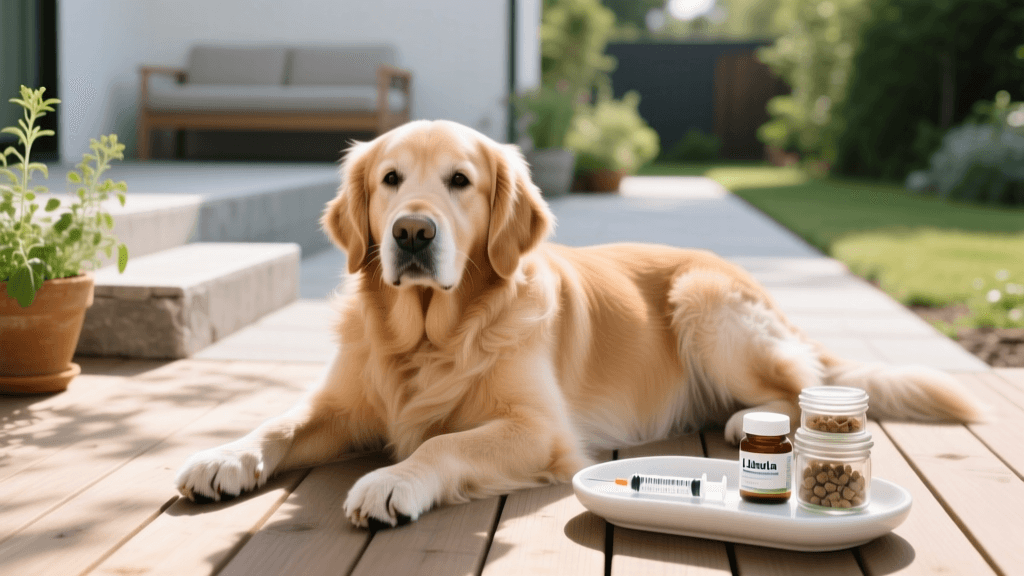
Unlike daily oral NSAIDs, which must be metabolized by the liver and excreted by the kidneys, Librela is administered as a monthly subcutaneous injection by a veterinarian. Because it is a protein-based therapy that is broken down into amino acids via normal cellular degradation pathways, it bypasses the hepatic and renal systems. This makes it an exceptionally safe option for senior dogs or those with pre-existing liver and kidney conditions, which are common comorbidities in the aging canine population.
Why a Multimodal Protocol is Essential
While Librela is highly effective at managing the pain associated with OA, it is not a cure, nor does it halt the mechanical degradation of cartilage or rebuild lost muscle mass. The World Small Animal Veterinary Association (WSAVA) Global Pain Council strongly advocates for a multimodal approach to chronic pain. This means combining pharmacological pain relief with physical, environmental, and nutritional interventions to address every facet of the disease.
'Managing canine osteoarthritis requires a 360-degree approach. Pain medication allows the dog to move comfortably, but physical therapy, weight management, and joint support are required to maintain muscle mass and protect the remaining cartilage.' — 2026 WSAVA Consensus Guidelines on Chronic Pain.
Pillar 1: Weight Management and Dietary Adjustments
Excess body weight is the single most significant modifiable risk factor for the progression of canine OA. Every extra pound of fat places disproportionate mechanical stress on compromised joints and secretes pro-inflammatory adipokines that worsen joint inflammation. In 2026, veterinary nutritionists recommend maintaining an arthritic dog at the leaner end of their ideal body condition score (BCS 4/9).
Transitioning to a prescription joint-support diet, such as those enriched with high levels of eicosapentaenoic acid (EPA) from fish oil, can significantly reduce joint inflammation. Diets formulated with added collagen peptides and green-lipped mussel extract are also gaining traction. Portion control using a digital gram scale, rather than a standard measuring cup, is critical to ensure accurate caloric restriction during weight loss phases.
Pillar 2: Targeted Joint Supplements
Nutraceuticals play a vital supportive role in the 2026 OA protocol. The goal of supplementation is to provide the building blocks for cartilage repair and to introduce natural anti-inflammatory agents. When selecting a supplement, look for products that have undergone independent third-party testing for purity and potency, such as those carrying the National Animal Supplement Council (NASC) seal.
| Brand / Product | Key Active Ingredients | Primary Mechanism | Best Suited For |
|---|---|---|---|
| Dasuquin Advanced | Glucosamine, Chondroitin, ASU, Boswellia | Cartilage protection and inflammation reduction | Moderate to severe OA; post-surgical joint support |
| GlycoFlex Max | Perna Canaliculus (Green Lipped Mussel), MSM, DMG | Natural anti-inflammatory and connective tissue support | Active dogs, early-stage OA, and athletic breeds |
| Welactin Canine | High-concentration Omega-3s (EPA/DHA) | Systemic reduction of inflammatory prostaglandins | Senior dogs requiring broad anti-inflammatory support |
Pillar 3: Environmental and Home Modifications
Modifying your home environment is crucial to prevent acute flare-ups and micro-traumas that occur from slipping or jumping. According to the American College of Veterinary Surgeons (ACVS), minimizing joint impact in the home can drastically extend a dog's comfortable mobility window.
- Orthopedic Bedding: Invest in a high-density, therapeutic foam bed. Memory foam beds that are at least 4 to 7 inches thick prevent the dog's joints from pressing against the hard floor. Brands like Big Barker and K9 Ballistics offer 2026 models with waterproof liners and bolsters for neck support.
- Non-Slip Flooring: Hardwood, tile, and laminate floors are hazardous for arthritic dogs. Lay down interlocking foam mats, yoga mats, or specialized non-slip dog rugs in high-traffic areas and hallways to provide traction.
- Ramps and Stairs: Eliminate the need for your dog to jump into vehicles or onto furniture. Use a ramp with an incline angle of 18 to 20 degrees, featuring a high-traction surface. For indoor furniture, foam pet stairs with a gradual rise are preferable to steep wooden steps.
- Elevated Bowls: Raising food and water bowls to chest height reduces the strain on the cervical spine and shoulder joints during meals.
Pillar 4: Veterinary Rehabilitation and Physical Therapy
Muscle atrophy is a secondary consequence of OA; as the dog experiences pain, they use the affected limb less, leading to muscle wasting, which in turn places more load on the unstable joint. Canine rehabilitation therapy is designed to break this cycle.
Hydrotherapy: The underwater treadmill is a cornerstone of OA rehab. The buoyancy of the water unloads the joints, allowing the dog to exercise with a full range of motion without impact pain, while the water's resistance builds muscle mass. Two 20-minute sessions per week are typically recommended.
Class IV Cold Laser Therapy: Photobiomodulation using Class IV lasers penetrates deep into the joint capsule to stimulate cellular repair, increase local blood flow, and reduce localized edema. It is a painless, non-invasive modality often performed bi-weekly in the veterinary clinic.
Therapeutic Exercises: Certified canine rehabilitation therapists (CCRT) will prescribe specific at-home exercises, such as 'sit-to-stand' repetitions, figure-eight weaving, and balance board work (using inflatable peanut or wobble boards) to engage the core and stabilize the hindquarters.
2026 Cost Breakdown for Canine OA Management
Budgeting for chronic disease management is a reality for pet owners. Below is an estimated monthly cost breakdown for a 65-pound dog undergoing a comprehensive multimodal OA protocol in 2026. Prices may vary based on geographic location and specific veterinary clinic pricing.
| Treatment Modality | Frequency | Estimated 2026 Cost |
|---|---|---|
| Librela Injection | Once monthly (Vet Administered) | $95 - $140 |
| High-Quality Joint Supplement | Daily (e.g., Dasuquin Advanced) | $45 - $65 |
| Omega-3 Fish Oil Pump | Daily | $20 - $30 |
| Underwater Treadmill Therapy | Twice monthly | $120 - $180 |
| Class IV Laser Therapy | Twice monthly | $80 - $120 |
| Total Estimated Monthly Cost | $360 - $535 |
Note: Initial setup costs for environmental modifications (orthopedic beds, ramps, non-slip mats) are one-time expenses typically ranging from $150 to $400 depending on the quality of the products chosen.
Monitoring Progress and Adjusting the Protocol
Osteoarthritis is a progressive disease, meaning the protocol that works perfectly in January may need adjustment by August. Keep a digital journal or use a canine mobility tracking app to log your dog's daily activity levels, stiffness upon waking, and willingness to engage in play. Tools like GPS-enabled smart collars can provide objective data on daily step counts and active minutes.
Schedule a veterinary recheck every six months. During these visits, your veterinarian will assess the dog's body condition score, evaluate muscle mass symmetry, and determine if the current dose of Librela remains sufficient or if additional adjunctive pain medications (such as Gabapentin or Amantadine for central sensitization) need to be introduced.
Final Thoughts on Managing Canine OA
The landscape of canine osteoarthritis treatment has been transformed by the advent of targeted biologic therapies like Librela. However, the true key to preserving your dog's mobility and joy in 2026 lies in the multimodal protocol. By combining advanced veterinary pharmacology with diligent weight management, high-quality nutraceuticals, home safety modifications, and proactive physical rehabilitation, you can significantly alter the trajectory of this degenerative disease. Work closely with your veterinary team to tailor this protocol to your dog's unique needs, ensuring their golden years remain active, comfortable, and full of life.
beth-carrasco
All our authors care for dogs every day — read more of their work on the authors page.