Canine OA Treatment 2026: Librela & Home Routines
Discover the best canine OA treatment options in 2026, including Librela injections and essential home modifications to keep your senior dog comfortable.
The Evolution of Canine OA Treatment in 2026
Osteoarthritis (OA) is a progressive, degenerative joint disease that affects an estimated 20% to 25% of the adult dog population. As we navigate 2026, the veterinary community has fundamentally shifted away from relying solely on traditional painkillers. Today, the gold standard for managing canine OA embraces a multimodal approach that combines cutting-edge biologic therapies with targeted environmental modifications. Managing canine OA is no longer just about masking pain on bad days; it is about altering the disease's progression, reducing systemic inflammation, and optimizing your dog's daily living environment to preserve their quality of life.
For dog owners, this means that sharing your life with an arthritic senior dog requires a highly proactive strategy. From administering the latest monoclonal antibody injections to reconfiguring your living room for better traction, the daily routine of an OA dog owner in 2026 is specialized and deeply rewarding. In this comprehensive guide, we will explore the current standard-of-care treatments, essential home modifications, and daily routines that will keep your canine companion comfortable, mobile, and happy.
Recognizing the Subtle Signs of Canine OA
Before diving into treatments, it is crucial to recognize that dogs are masters at hiding chronic pain. In 2026, veterinary behaviorists emphasize that OA rarely presents as obvious limping until the disease is in its advanced stages. Instead, look for subtle behavioral shifts in your daily life together. Does your dog hesitate before jumping into the car? Have they stopped shaking off vigorously after a bath? Are they sleeping more during the day and pacing at night? According to the American Kennel Club, signs like lagging behind on walks, difficulty settling into a resting position, and a reluctance to play with other dogs are primary indicators of underlying joint discomfort.
Librela (Bedinvetmab): The 2026 Gold Standard
The most significant breakthrough in recent years that continues to dominate the 2026 veterinary landscape is the widespread adoption of anti-NGF (Nerve Growth Factor) monoclonal antibodies, specifically bedinvetmab, marketed as Librela. Unlike traditional NSAIDs (Non-Steroidal Anti-Inflammatory Drugs) which inhibit COX enzymes and can carry risks for the liver and kidneys over long-term use, Librela works by specifically targeting and neutralizing NGF, a protein that plays a primary role in the transmission of pain signals in arthritic joints.
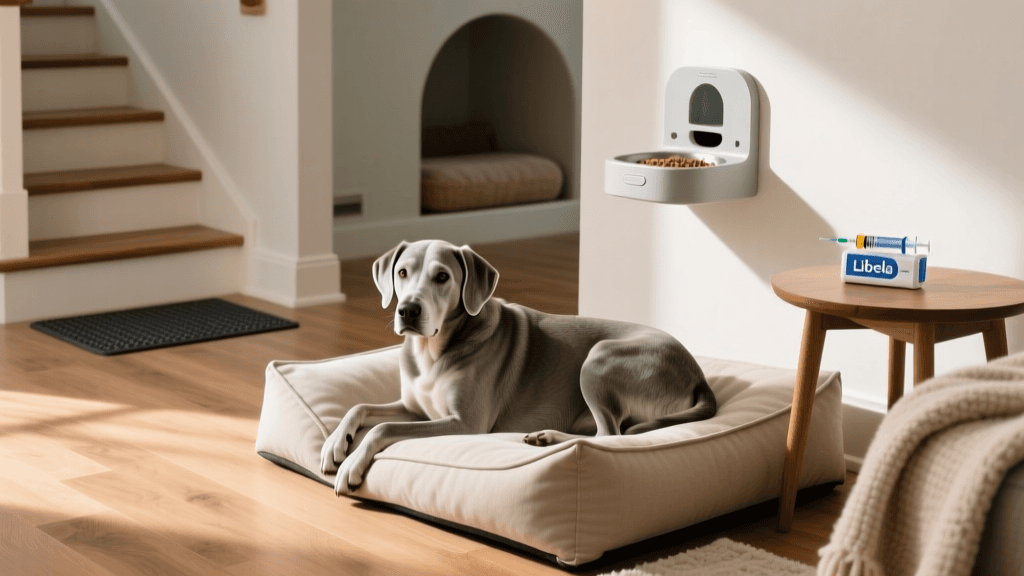
Administered as a monthly subcutaneous injection by your veterinarian, Librela has revolutionized the daily lives of senior dogs. Because it is a species-specific canine monoclonal antibody, it is metabolized like natural proteins, making it incredibly safe for long-term use, even in dogs with pre-existing renal or hepatic conditions. In 2026, the average cost for a monthly Librela injection ranges from $180 to $320, depending on your dog's weight tier and your geographic location. While the upfront cost is higher than generic daily pills, the elimination of daily pill-popping and the dramatic improvement in mobility make it a preferred choice for thousands of pet owners.
Comparing 2026 Canine OA Treatment Options
While Librela is a cornerstone of modern therapy, a true multimodal approach often combines several treatments. Below is a comparison of the most common OA management strategies utilized in 2026. For detailed safety information on traditional medications, always consult the FDA guidelines on NSAIDs and your primary veterinarian.
| Treatment Type | Mechanism of Action | 2026 Est. Monthly Cost | Best Suited For | Key Considerations |
|---|---|---|---|---|
| Librela (Bedinvetmab) | Anti-NGF Monoclonal Antibody | $180 - $320 | Moderate to Severe OA; Senior dogs with organ sensitivities | Requires monthly vet visit for subcutaneous injection. |
| NSAIDs (e.g., Carprofen) | COX Enzyme Inhibition | $40 - $90 | Mild to Moderate OA; Acute flare-ups | Requires bi-annual blood work to monitor liver and kidney function. |
| Undenatured Type II Collagen | Immune Tolerance to Cartilage | $25 - $45 | Early Stage OA; Preventative joint support | Takes 4 to 6 weeks of daily dosing to observe clinical improvements. |
| Canine Rehabilitation | Biomechanical Conditioning | $100 - $150 / session | Post-Operative; Severe mobility loss | Requires access to a specialized canine physical therapy facility. |
| Omega-3 Fatty Acids (EPA/DHA) | Systemic Inflammation Reduction | $20 - $40 | All stages of OA as a foundational supplement | Must be dosed at therapeutic levels, not just standard dietary amounts. |
Essential Home Modifications for Arthritic Dogs
Medical management is only half the battle. The WSAVA Global Pain Council heavily emphasizes environmental adaptation as a critical pillar of chronic pain management. Modifying your home reduces the mechanical stress on your dog's compromised joints during daily routines.
1. Orthopedic Sleeping Surfaces
A standard dog bed is insufficient for a dog with OA. In 2026, the recommendation is to invest in a high-quality, supportive orthopedic bed that prevents the dog's joints from pressing against the hard floor. Brands like Big Barker utilize a 7-inch layered foam system that retains its shape and provides therapeutic support for large, heavy breeds. For dogs that tend to chew or scratch their beds, the Kuranda Chewproof Dog Bed offers an elevated, hammock-style design that distributes weight evenly and makes standing up significantly easier due to its raised height.
2. Ramps and Stairs
Jumping on and off furniture or into vehicles causes massive concussive force on arthritic hips and shoulders. You must eliminate vertical jumping from your dog's daily routine. When selecting a ramp, adhere to the 3:1 slope rule for safety: for every 3 inches of ramp length, you should have 1 inch of rise. For example, if your SUV's cargo area is 24 inches high, you need a ramp that is at least 72 inches long. The PetSafe Happy Ride Extra Long Telescoping Dog Ramp is a top choice in 2026 due to its lightweight aluminum frame and high-traction grit surface.
3. Traction Solutions
Slippery hardwood, tile, and laminate floors are the enemy of the OA dog. When a dog slips, their muscles spasm to catch their balance, causing severe pain in already inflamed joints. Cover high-traffic pathways with low-pile, non-slip area rugs or interlocking foam puzzle mats. For dogs that struggle to stand up from a resting position on hard floors, consider applying Dr. Buzby's ToeGrips—small, natural rubber cylinders that slide onto the dog's toenails to provide instant mechanical grip without the discomfort of dog boots.
Adjusting Your Daily Routine and Enrichment
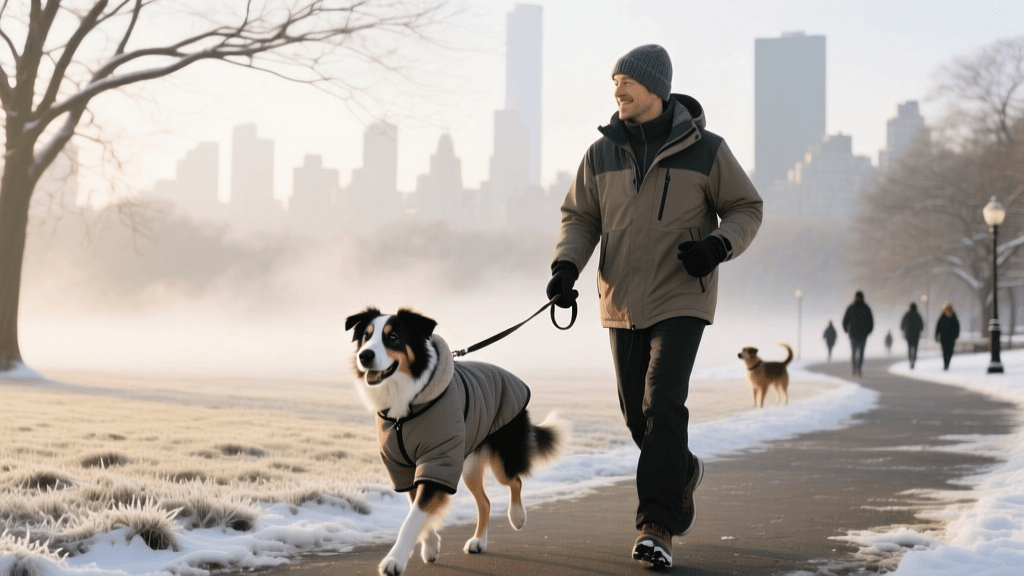
Living with an OA dog in 2026 means redefining what a "good day" looks like. The traditional hour-long morning hike may need to be replaced by three 15-minute leisurely sniffaris. Shorter, more frequent walks prevent the joints from stiffening up without pushing the dog into the exhaustion and inflammation that follows overexertion.
Because physical exercise is restricted, mental enrichment becomes vital to prevent boredom and depression. Swap out high-impact fetch sessions for indoor scent work, snuffle mats, and frozen lick mats. Teaching your dog low-impact tricks, such as "touch" (targeting your hand with their nose) or advanced name-recognition for their toys, tires their brain out just as effectively as a run tires out their body.
Nutritional Support and Weight Management
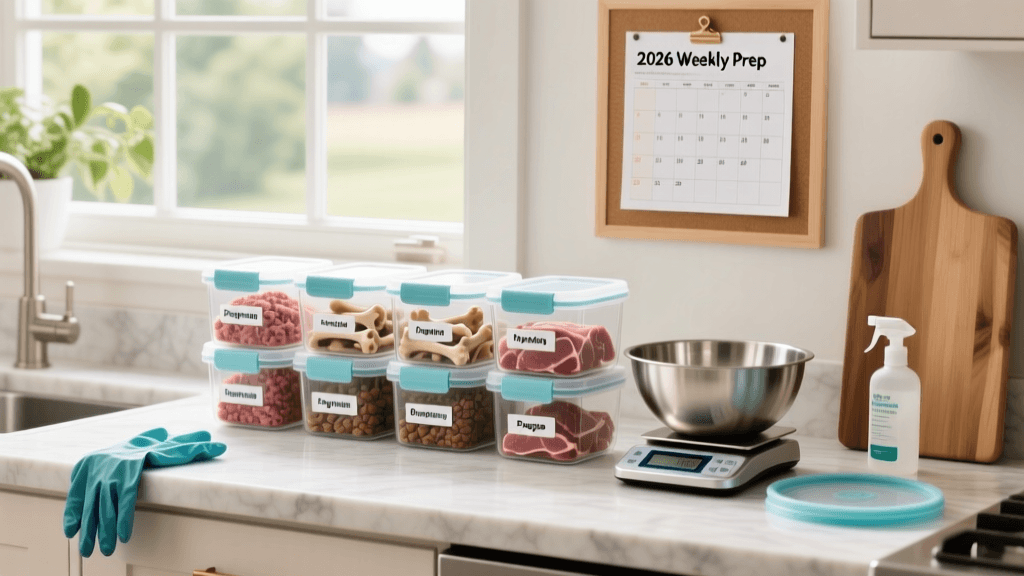
Finally, no OA treatment protocol is complete without strict weight management. Every extra pound of body weight places roughly four pounds of extra pressure on a dog's joints. Keeping your dog at the leaner end of their ideal body condition score (a visible waist and easily palpable ribs) is the single most effective way to slow the progression of OA.
Supplementing with high-quality Omega-3 fatty acids, specifically EPA and DHA derived from wild-caught fish oil or microalgae, is highly recommended. The therapeutic dosage for joint inflammation is generally recognized as 300mg of combined EPA/DHA per 10kg (22 lbs) of body weight. Always consult with your veterinary nutritionist to ensure your dog's diet in 2026 is calibrated to support lean muscle mass while keeping joint inflammation at bay.
By combining the medical marvels of modern biologic treatments like Librela with thoughtful, compassionate home modifications, you can ensure that your dog's senior years are defined by comfort, dignity, and joy.
priya-sutaria
All our authors care for dogs every day — read more of their work on the authors page.