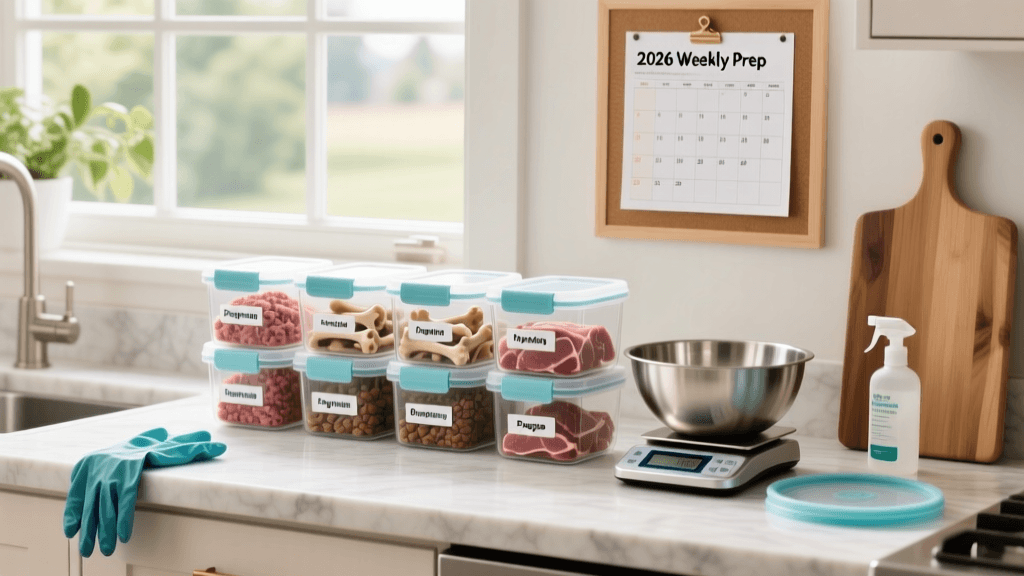
Raw Dog Food Meal Prep Routines For Multi-Dog Homes 2026
Learn how to safely manage weekly raw dog food meal prep for multi-dog households in 2026, including storage, sourcing, and hygiene best practices.
The Rise of the Multi-Dog Raw Kitchen in 2026
Feeding a raw, species-appropriate diet to a single dog is a rewarding endeavor that requires dedication, research, and a solid routine. However, when you share your life with multiple dogs of varying sizes, ages, and metabolic rates, the logistical challenge of raw feeding multiplies exponentially. In 2026, the raw feeding community has evolved significantly, moving away from haphazard kitchen-counter prep toward highly organized, dedicated raw kitchens and meal prep stations. With advancements in home freezing technology, commercial-grade home grinders, and a deeper understanding of canine nutrition, managing a raw diet for a multi-dog household is more accessible and safer than ever before.
This comprehensive guide will walk you through the exact routines, equipment, and safety protocols required to successfully manage a raw food diet for multiple dogs. Whether you are feeding a 15-pound Terrier, a 50-pound Herding breed, and an 80-pound Working dog, establishing a streamlined weekly prep routine is the key to maintaining your sanity and ensuring your dogs thrive on a fresh, whole-food diet.
Assessing Individual Nutritional Needs
The first step in any multi-dog raw prep routine is understanding that one size does not fit all. Unlike kibble, where you might just adjust the volume of the same formula, raw feeding allows for precise, individualized nutrition. In a multi-dog home, you are likely dealing with different life stages and activity levels. A senior dog may require a lower-fat protein profile and joint-supporting supplements like green-lipped mussel, while a highly active agility dog will need higher fat content and more calorically dense meals.
Most raw feeders in 2026 follow either the Prey Model Raw (PMR) ratio—typically 80% muscle meat, 10% raw edible bone, 5% liver, and 5% other secreting organs—or the National Research Council (NRC) guidelines, which focus on exact micronutrient targets rather than strict anatomical ratios. When prepping for multiple dogs, it is highly recommended to prep a balanced 'base mix' that meets the NRC guidelines for adult maintenance, and then add individualized toppers or supplements to each dog's bowl at feeding time. This hybrid approach saves hours of prep time while ensuring every dog gets exactly what they need.
Essential Equipment for the 2026 Raw Prep Station
To handle the sheer volume of meat required for a multi-dog household, you must invest in the right equipment. Relying on standard kitchen appliances will lead to burnout and broken motors. Here is the essential gear for a modern raw prep station:
- Smart Chest Freezers: In 2026, Wi-Fi-enabled chest freezers are a game-changer for raw feeders. These appliances send push notifications to your smartphone if the internal temperature rises above a safe threshold, protecting your hundreds of dollars in meat investments during power outages or mechanical failures.
- Commercial Meat Grinder: A heavy-duty grinder (such as a 1 HP or 1.5 HP stainless steel model) is non-negotiable if you are grinding whole prey items or bone-in meats like chicken quarters or turkey necks. It ensures a consistent texture and prevents the bone shards that can occur with underpowered grinders.
- Stainless Steel Prep Tables: Porous surfaces like wood or standard laminate harbor bacteria. A dedicated stainless steel prep table is easy to sanitize and meets the hygiene standards recommended by veterinary nutritionists.
- Chamber Vacuum Sealer: While external suction sealers work, a chamber vacuum sealer is vastly superior for raw prep. It can seal liquids and wet mixes without sucking the moisture out, ensuring your pre-portioned meals remain airtight and protected from freezer burn for months.
- Digital Scales: High-capacity digital scales that measure in grams and ounces are vital for accurately portioning meals and weighing supplements.
Sourcing High-Quality Proteins and Supplements
Sourcing is the backbone of a successful raw diet. For a multi-dog household, buying retail cuts from the local grocery store is neither cost-effective nor practical. In 2026, the most successful raw feeders rely on a combination of local agricultural co-ops, direct-from-farm purchasing, and specialized raw food distributors. Establishing a relationship with local farmers who practice regenerative agriculture can provide you with access to whole carcasses, green tripe, and offal at a fraction of the retail cost.
Additionally, you must source high-quality supplements to fill the nutritional gaps inherent in a raw diet. Because modern farmed meats are often lower in Omega-3 fatty acids and Vitamin E than their wild counterparts, adding wild-caught salmon oil, phytoplankton, and natural Vitamin E is critical. Manganese is another common deficiency in raw diets; incorporating whole food sources like mussels or a high-quality kelp and manganese supplement ensures your dogs' connective tissues and metabolic functions remain healthy.
The Weekly Raw Meal Prep Routine
Batch prepping is the secret to survival in a multi-dog raw household. Dedicating one afternoon a month, or a few hours every weekend, to prep and portion meals will save you countless hours of daily stress. Here is a streamlined weekly routine:
- Thawing: Move frozen bulk meats from the deep freezer to the refrigerator 48 hours before prep day. Never thaw raw meat at room temperature, as this encourages rapid bacterial proliferation.
- Grinding and Mixing: Grind your muscle meats, bones, and organs according to your chosen ratio. If you are making a large batch of a complete base mix, use a large stainless steel tub to mix the ground ingredients thoroughly, ensuring the organs and bone are evenly distributed.
- Portioning: Weigh out individual meals based on each dog's daily requirements. For ease of use, many owners portion meals into reusable, food-grade silicone molds or vacuum-seal bags. Label every package with the date, the protein source, and the target dog's name.
- Flash Freezing: Place the portioned meals back into the chest freezer immediately. Flash freezing preserves the cellular integrity of the meat and locks in vital nutrients.
Multi-Dog Feeding Chart and Calculations
Calculating the correct amount of food is crucial to prevent obesity or malnutrition. The general rule of thumb for adult dogs is to feed 2% to 3% of their ideal body weight daily, adjusting based on activity level and metabolism. Puppies, of course, require a much higher percentage, often between 5% to 10% of their current body weight, divided into multiple meals.
Below is a sample calculation table for a three-dog household to illustrate how daily and monthly prep volumes scale up:
| Dog Name | Breed / Weight | Activity Level | Daily Intake (2.5%) | Monthly Prep Volume |
|---|---|---|---|---|
| Buster | Labrador / 80 lbs | Moderate | 2.0 lbs (32 oz) | 60 lbs |
| Luna | Border Collie / 45 lbs | High (Agility) | 1.35 lbs (21.6 oz) | 40.5 lbs |
| Pip | Jack Russell / 15 lbs | High | 0.45 lbs (7.2 oz) | 13.5 lbs |
| Total | 140 lbs Combined | - | 3.8 lbs Daily | 114 lbs Monthly |
As the table demonstrates, this household needs to source, process, and store over 114 pounds of raw meat, bone, and organ meat every single month. This volume highlights exactly why a dedicated chest freezer and a commercial grinder are mandatory investments.
Crucial Safety and Hygiene Protocols
Handling raw meat for multiple dogs introduces a significant amount of biological material into your home. Adhering to strict hygiene protocols is not just about keeping your kitchen clean; it is about protecting the immunocompromised members of your household, including young children, the elderly, or the dogs themselves.
The FDA guidelines on handling raw pet food strongly emphasize the importance of preventing cross-contamination. Always use dedicated cutting boards, knives, and bowls exclusively for your dogs' raw food. Never use the same utensils to prepare your family's vegetables or cooked meals. After every prep session, sanitize your stainless steel tables and equipment using an accelerated hydrogen peroxide solution or a veterinary-grade quaternary ammonium cleaner, which are highly effective against pathogens like Salmonella and Listeria without leaving toxic residues.
Expert Note: While many dogs thrive on raw diets, the AVMA policy on raw diets advises caution regarding the handling of raw animal-source proteins due to the risk of zoonotic pathogen transmission. If you have immunocompromised individuals in your home, consider utilizing High-Pressure Processing (HPP) raw diets, which use extreme water pressure to neutralize harmful bacteria while maintaining the raw nutritional profile.
Furthermore, always practice safe thawing. Thaw raw meals in the refrigerator or in a sealed bag submerged in cold water. Never use the microwave or hot water, as this not only destroys heat-sensitive nutrients like taurine and vitamin C but also creates hot spots that can burn your dog's mouth and encourage bacterial growth in the outer layers of the meat.
Final Thoughts on Raw Feeding Multiple Dogs
Transitioning to and maintaining a raw diet for a multi-dog household in 2026 is a labor of love that yields incredible health benefits, from improved coat quality and dental health to optimized digestion and sustained energy levels. By investing in the proper commercial-grade equipment, establishing a rigorous weekly prep routine, and adhering to the highest standards of kitchen hygiene, you can safely and efficiently nourish your entire canine family. Remember to consult with a board-certified veterinary nutritionist or refer to the WSAVA Global Nutrition Guidelines to ensure your homemade formulations remain complete and balanced for the long-term health of your beloved dogs.
anouk-beaumont
All our authors care for dogs every day — read more of their work on the authors page.