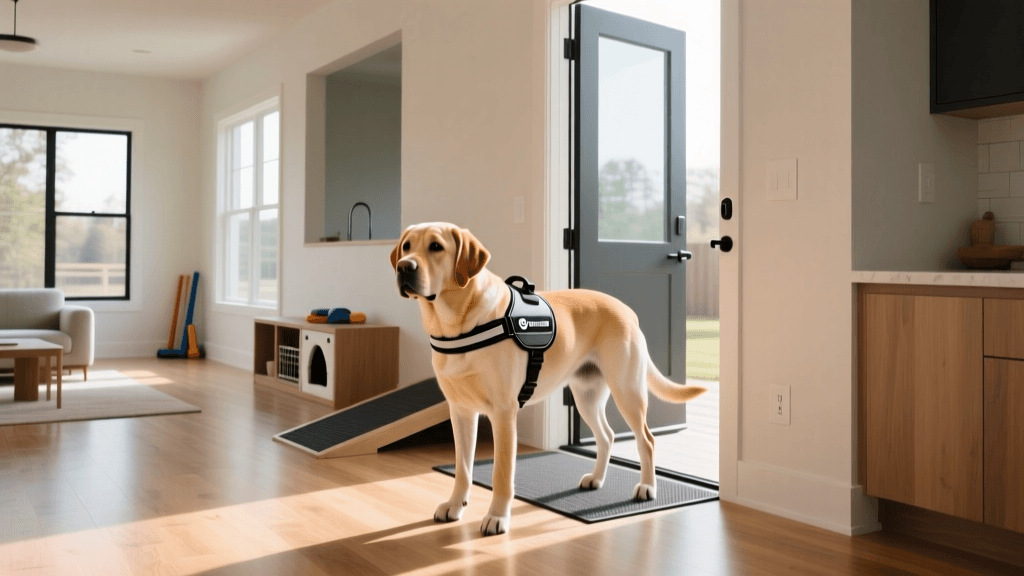
Getting a Mobility Assistance Dog in 2026: Top Breeds and Home Prep
Discover how to choose, acquire, and prepare your home for a large-breed mobility assistance dog in 2026. Expert breed guides and ADA tips inside.
Understanding Mobility Assistance Dogs in 2026
Bringing a mobility assistance dog into your life is a profound decision that promises newfound independence, companionship, and physical support. Unlike standard pets, these highly trained working dogs are tasked with life-altering duties such as bracing for balance, pulling wheelchairs, retrieving dropped items, and even opening doors. As we navigate 2026, the demand for these incredible canine partners continues to rise, driven by greater awareness of physical disabilities and advancements in service dog training methodologies. However, acquiring a mobility dog is not as simple as visiting a local shelter. It requires meticulous planning, a deep understanding of breed capabilities, and significant home modifications to accommodate a large working animal.
Before beginning your journey, it is crucial to understand the physical toll this work takes on a dog. Mobility work requires a canine that is not only temperamentally sound but also structurally robust. According to the American Kennel Club (AKC), a dog must be fully mature—both mentally and physically—before engaging in heavy pulling or bracing tasks. This means that while you may bring a puppy home to begin foundational obedience, true mobility work generally does not begin until the dog is at least eighteen to twenty-four months old, ensuring their growth plates have fully closed.
Top Breeds for Mobility Work
Selecting the right breed is the cornerstone of a successful mobility assistance partnership. The dog must possess the physical mass to safely brace or pull, combined with a biddable, eager-to-please temperament. Here are the premier breeds dominating the mobility assistance space in 2026.
1. Labrador Retriever
The Labrador Retriever remains the undisputed champion of service work. Their dense bone structure, high pain tolerance, and legendary food motivation make them exceptionally easy to train for complex tasks. In 2026, breeding programs specifically focused on 'English' or show-line Labs are highly sought after for mobility work, as they tend to be stockier and calmer than their high-drive American field-line counterparts. A mature male Lab can easily weigh between 70 and 85 pounds, providing a stable bracing point for individuals with mild to moderate balance issues.
2. Golden Retriever
Golden Retrievers share many physical traits with Labs but often bring a slightly softer, more empathetic temperament to the table. They are incredibly attuned to their handler's emotional and physical state, making them excellent dual-purpose dogs for those who need both mobility support and psychiatric grounding. Goldens do require more frequent grooming than Labs, and their long coats can be a magnet for burrs and debris when working outdoors. However, their willingness to work and gentle mouth make them ideal for retrieval tasks.
3. Bernese Mountain Dog
For handlers requiring heavy-duty pulling power—such as those using a manual wheelchair on uneven terrain—the Bernese Mountain Dog is a powerhouse. Weighing in at 90 to 115 pounds, these majestic dogs possess the sheer muscle mass required for draft work. Historically bred to pull carts in the Swiss Alps, their instinct to pull in a harness is deeply ingrained. The primary drawback is their lifespan and health considerations; prospective owners must work with breeders who conduct rigorous OFA orthopedic and cardiac testing to mitigate the breed's predisposition to joint issues and certain cancers.
4. Standard Poodle
The Standard Poodle is the premier choice for handlers with severe allergies. Far from being mere show dogs, Standards are highly intelligent, athletic, and surprisingly sturdy. A large male Standard Poodle can reach 70 pounds and stands over 24 inches at the shoulder, providing adequate bracing support. Their non-shedding coats require professional grooming every six to eight weeks, which is an ongoing financial commitment, but the trade-off for an allergy-friendly mobility dog is invaluable for many handlers.
Breed Comparison Chart
| Breed | Average Weight | Pulling Capacity | Grooming Needs | Best Suited For |
|---|---|---|---|---|
| Labrador Retriever | 65 - 85 lbs | Moderate to High | Low (Weekly brushing) | General mobility, bracing, retrieval |
| Golden Retriever | 60 - 80 lbs | Moderate | High (Daily brushing) | Dual-purpose (mobility & psych), retrieval |
| Bernese Mountain Dog | 90 - 115 lbs | Very High | Moderate (Heavy shedding) | Wheelchair pulling, heavy draft work |
| Standard Poodle | 50 - 70 lbs | Moderate | Very High (Professional clipping) | Allergy sufferers, light bracing, retrieval |
The Acquisition Process: Programs vs. Owner-Training
Once you have identified the ideal breed, you must decide how to acquire your partner. In 2026, there are two primary pathways: applying to an accredited program or pursuing owner-training with professional guidance.
Applying to a program accredited by Assistance Dogs International (ADI) is the most reliable route. These organizations breed, raise, and train dogs to rigorous standards, matching them with handlers through an intensive multi-week residential training course. The financial cost is substantial—often ranging from $30,000 to $50,000—though many nonprofits offer grants or fundraising assistance. The most significant hurdle in 2026 is the waitlist; due to high demand, applicants often wait 18 to 36 months before being matched with a fully trained adult dog.
Alternatively, owner-training allows you to raise a puppy from eight weeks of age, forging an incredibly deep bond. While the upfront cost is lower, the time investment is massive. You will need to hire a specialized service dog trainer, attend weekly classes, and dedicate hundreds of hours to public access socialization. Not every dog makes the cut; washout rates for owner-trained mobility dogs can exceed 50 percent due to structural flaws or temperament mismatches discovered as the dog matures.
Preparing Your Home for a Large Mobility Dog
A mobility assistance dog is a large, active working animal. Preparing your living space is essential to protect both your dog's joints and your home's interior.
Slip-Resistant Flooring
Hardwood, tile, and laminate floors are notoriously slippery and can lead to devastating orthopedic injuries like hip dysplasia or cranial cruciate ligament tears in large breeds. In 2026, interlocking foam puzzle mats and specialized canine traction rugs are highly recommended for high-traffic areas. Ensure all rugs have heavy-duty, non-slip rubber backing to prevent the dog from sliding when they pivot or brace.
Ramps and Stairs
If your home has steps, or if your dog needs to access a raised bed or vehicle, investing in high-quality ramps is non-negotiable. A mobility dog must preserve its joints for working years. Look for ramps with a gentle incline ratio of at least 3:1 (three inches of length for every one inch of height) and a surface covered in high-traction astro-turf or rubberized grip tape. For vehicles, telescoping aluminum ramps rated for 200 pounds offer the best stability and ease of use.
Orthopedic Resting Zones
Working dogs need premium recovery spaces. Standard dog beds will flatten out under the weight of a 90-pound Bernese Mountain Dog. Invest in high-density, human-grade memory foam orthopedic beds. In 2026, cooling gel-infused foam beds are particularly popular for thick-coated breeds to prevent overheating after a long day of working in a harness.
Harness and Gear Storage
Mobility harnesses are custom-fitted, expensive pieces of equipment that must be kept clean and dry. Designate a specific mudroom hook or cubby for the dog's harness, boots, and leash. Custom mobility harnesses from top manufacturers currently cost between $350 and $600, and proper storage prevents leather or biothane degradation.
Legal Protections and Public Access
Understanding your legal rights is a critical component of getting a service dog. Under the U.S. Department of Justice ADA guidelines, mobility assistance dogs are classified as service animals and are granted full public access rights. This means your dog can accompany you into restaurants, grocery stores, and airports. Business owners are legally permitted to ask only two questions: if the dog is required because of a disability, and what specific work or task the dog has been trained to perform.
Furthermore, the Fair Housing Act protects your right to live with your mobility dog in housing that otherwise enforces strict 'no pet' policies or breed restrictions. Landlords cannot charge pet deposits or monthly fees for a verified service animal. As you embark on this life-changing journey in 2026, remember that a mobility assistance dog is more than just a medical tool; they are a devoted partner deserving of the highest standard of care, respect, and love.
marcus-aldridge
All our authors care for dogs every day — read more of their work on the authors page.