Best Teething Toys For Puppy Bite Training In 2026
Discover the best teething toys for puppy bite inhibition training in 2026. Learn expert redirect techniques to save your hands and furniture.
The Critical Link Between Teething Toys and Bite Inhibition
When bringing a new puppy home, most owners anticipate the chewed-up shoes and the sharp little teeth, but few realize that the teething phase is actually one of the most vital windows for behavioral conditioning. In 2026, veterinary behaviorists and professional dog trainers emphasize that teething toys are not merely tools for pain relief; they are foundational instruments for operant conditioning and bite inhibition training. While the market is flooded with generic chew items, selecting the right teething toy can mean the difference between a well-mannered adult dog and one that suffers from destructive chewing habits and poor bite control.
According to the American Kennel Club, puppies go through several distinct teething stages, with the most intense chewing urges occurring between 12 and 16 weeks of age as their deciduous teeth fall out and adult teeth push through the gums. During this period, a puppy's instinct to bite is at its peak. By strategically introducing specific training-oriented teething toys, you can redirect this natural instinct away from human skin and household furniture, effectively teaching your puppy what is acceptable to bite.
The Puppy Teething Timeline and Training Windows
To effectively use teething toys for training, you must understand the biological timeline driving your puppy's behavior. The timeline in 2026 remains consistent with established veterinary science, but our training methodologies have evolved to focus heavily on positive reinforcement and environmental management.
- 3 to 6 Weeks: Deciduous teeth emerge. Puppies learn initial bite inhibition from their littermates.
- 12 to 16 Weeks: The primary teething phase. Adult teeth begin to erupt, causing severe gum discomfort. This is the critical window for introducing textured training toys.
- 6 to 8 Months: All 42 adult teeth should be fully set. Chewing transitions from a pain-relief mechanism to an exploratory and stress-relief behavior.
Understanding this timeline allows trainers to match the toy's material and shape to the puppy's developmental needs, ensuring maximum engagement and successful behavioral redirection.
Top 3 Teething Toys for Behavioral Conditioning in 2026
Not all chew toys are created equal when it comes to active training. The best teething toys for training share three traits: they are highly engaging, they offer appropriate resistance for developing jaws, and they facilitate the 'trade and redirect' training method. Here are the top picks favored by professional trainers this year.
1. KONG Puppy Classic (Best for Crate Training & Distraction)
The KONG Puppy Classic remains the gold standard for independent play and crate training. Made from a softer, puppy-specific rubber formula, it is gentle on emerging adult teeth while being durable enough to withstand aggressive chewing. The hollow center is its greatest training asset. By stuffing the KONG with puppy-safe peanut butter, goat milk, or bone broth and freezing it overnight, you create a long-lasting enrichment puzzle. This is highly effective for teaching puppies to self-soothe and settle down in their crates, a crucial step in preventing separation anxiety and destructive alone-time behaviors.
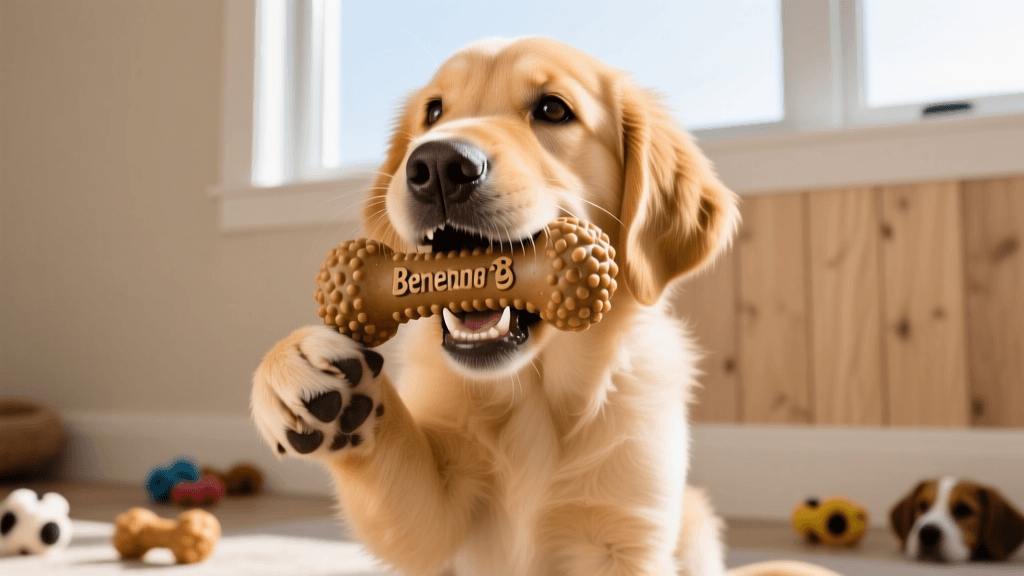
2. Benebone Puppy Zaggler (Best for Hand-Redirect Training)
When a puppy bites your hand, you need an immediate, high-value alternative that is easy for them to grab and hold. The Benebone Puppy Zaggler features a unique, patented zigzag shape that is ergonomically designed for a puppy's paws. This allows the puppy to anchor the toy while they chew, mimicking the feeling of holding onto a bone or a prey item. In 2026, trainers heavily utilize the Zaggler for the 'redirect method' because its distinct shape and bacon-infused nylon make it vastly more appealing than human fingers.
3. Nylabone Puppy Power Chew Rings (Best for Texture Desensitization)
Puppies explore the world with their mouths, and they crave varied textures. The Nylabone Puppy Power Chew Rings feature multiple raised bristles and nubs that act like a toothbrush, massaging sore gums while satisfying the urge to gnaw. From a training perspective, the ring shape allows for interactive games of tug (with strict rules) and easy tossing, helping to build a positive association between the owner, the toy, and appropriate play.
Comparison Chart: 2026 Top Training Teething Toys
| Toy Name | Best Training Use | Material | Estimated 2026 Price | Durability |
|---|---|---|---|---|
| KONG Puppy Classic | Crate training, self-soothing | Soft Puppy Rubber | $12 - $18 | Moderate |
| Benebone Puppy Zaggler | Hand-redirect, bite inhibition | Bacon-Infused Nylon | $14 - $20 | High |
| Nylabone Puppy Rings | Texture desensitization, gum massage | Flexible Polymer | $10 - $15 | Moderate |
Step-by-Step: The 'Trade and Redirect' Training Method
Simply handing a puppy a teething toy does not constitute training. You must actively teach the puppy that the toy is the only acceptable outlet for their biting urges. The ASPCA strongly advocates for redirection techniques over punitive measures, as punishment can increase anxiety and exacerbate biting behaviors. Follow this step-by-step protocol to master the redirect.
Step 1: Anticipate and Intercept
Watch your puppy's body language. If they are getting the 'zoomies', stalking your ankles, or exhibiting a hard stare, a bite is imminent. Before they make contact, present the Benebone Zaggler or Nylabone Ring directly in their line of sight.
Step 2: The Trade
If the puppy has already latched onto your clothing or skin, do not yank your hand away. Yanking triggers a prey drive response, encouraging the puppy to bite harder. Instead, freeze completely. Present the high-value teething toy right at their nose. The moment they release your skin to investigate the toy, mark the behavior with a verbal 'Yes!' or a clicker.
Step 3: Reinforce the Correct Choice
Once the puppy has the toy in their mouth, engage with them. Praise them calmly, pet their chest, or initiate a gentle game of tug. This reinforces the neural pathway that biting the toy results in positive social interaction, while biting human skin results in the interaction stopping entirely.
Advanced Conditioning: Using Teething Toys for Alone-Time Training
A major component of puppy training is teaching them to be comfortable when left alone. Teething toys are indispensable for this process. In 2026, the most successful puppy raisers utilize 'chew stations' strategically placed in the puppy's pen or crate area. By providing a frozen KONG Puppy Classic exactly when you leave the room, you create a positive emotional response to your departure. The puppy associates your exit with the arrival of a high-value, soothing teething treat. Over time, this conditioning drastically reduces stress-induced destructive chewing and vocalization.
Common Training Mistakes to Avoid
Even with the best teething toys, owners often sabotage their own training efforts through common errors. Avoid these pitfalls to ensure your puppy develops excellent bite inhibition:
- Using Old Shoes as Toys: Puppies cannot differentiate between an old sneaker and your new designer shoes. Only provide items that are distinctly dog toys.
- Inconsistent Rules: If you allow your puppy to chew on your fingers when they are small and cute, but scold them for it when they are larger, you will create confusion and frustration. Enforce the 'toy-only' rule from day one.
- Leaving Toys Out 24/7: Toys lose their value if they are always available. Rotate your teething toys every few days and keep the highest-value items (like stuffed KONGs) reserved exclusively for training sessions and crate time.
- Punishing the Bite: Yelling or holding the puppy's mouth shut can lead to fear-based aggression. Always rely on redirection and positive reinforcement.
Conclusion
Surviving the puppy teething phase requires patience, consistency, and the right equipment. By viewing teething toys not just as pacifiers, but as essential training tools, you set the foundation for a lifetime of good manners. Whether you are utilizing a frozen KONG for crate conditioning or a Benebone Zaggler to teach bite inhibition, the strategic use of these toys in 2026 will protect your home, save your hands, and build a deeper, more communicative bond with your growing dog.
tom-renshaw
All our authors care for dogs every day — read more of their work on the authors page.