Interstate Moves in 2026: Dog Olfactory Mapping Guide
Discover how canine olfactory mapping eases interstate moves in 2026. Learn science-backed scent strategies to reduce your dog's stress during relocation.
The Hidden Stress of Interstate Relocations
As of 2026, interstate relocations have surged, driven by shifting remote-work policies and changing economic landscapes. For human families, moving across the country is a logistical puzzle of packing boxes and hiring movers. But for your dog, an interstate move is a profound psychological upheaval. Dogs do not experience the world primarily through visual landmarks like we do; they experience it through a complex, invisible tapestry of scents. When you uproot your dog from their familiar home, you are not just changing their address—you are erasing their entire olfactory map.
Understanding canine psychology means recognizing that a dog's sense of security is deeply tethered to environmental odors. In 2026, leading veterinary behaviorists emphasize that addressing the olfactory void left by a move is the single most effective way to prevent relocation-induced anxiety, house-soiling, and destructive behaviors. This guide explores the science of canine olfactory mapping and provides actionable, scent-based strategies to help your dog transition seamlessly to a new state and a new home.
The Science of Canine Olfactory Mapping
To understand why moving is so disorienting for dogs, we must look at their neuroanatomy. A dog possesses up to 300 million olfactory receptors in their nasal cavity, compared to our mere 6 million. Furthermore, the part of a dog's brain devoted to analyzing smells—the olfactory bulb—is proportionally 40 times larger than ours. This allows dogs to engage in 'olfactory mapping,' a cognitive process where they construct a mental layout of their territory based on scent markers, environmental odors, and pheromones.
When a dog lives in a home for years, they memorize the specific scent profile of the furniture, the yard, the local neighborhood wildlife, and even the unique chemical signature of their human family members as it settles into the floorboards. According to behavioral resources provided by the ASPCA, dogs rely heavily on these familiar environmental cues to regulate their nervous systems. When an interstate move strips away these familiar odors, dogs can experience a state of 'olfactory disorientation.' This psychological blank slate can trigger chronic stress, as the dog no longer feels they are in a known, safe territory.
Phase 1: Pre-Move Scent Preservation
The foundation of a successful transition begins weeks before the moving truck arrives. The most common mistake pet parents make during the packing process is deep-cleaning and washing every fabric item in the house. From a behavioral standpoint, this destroys the very scent anchors your dog relies on for comfort.
The 'Do Not Wash' Protocol
Designate a specific set of items that will remain unwashed and unsealed until you arrive at your new home. These items will serve as 'scent anchors.'
- The Basecamp Blanket: Select two or three large fleece blankets that your dog sleeps on daily. Do not wash them for at least three weeks prior to the move. Pack them in a sealed plastic bin to preserve the concentrated odor.
- Unwashed Apparel: Pack a few of your own unwashed t-shirts or socks. Your dog's olfactory map includes your unique biological scent, which acts as a powerful emotional regulator for them.
- Worn Toys: Set aside your dog's favorite, most saliva-soaked chew toys. Avoid buying brand-new toys for the move; the goal is to surround them with the familiar, not the novel.
Scent Swapping (If Feasible)
If you are making a preliminary trip to your new home before moving day, bring a clean towel and rub it along the baseboards, doors, and floors of the new house. Bring this towel back to your current home and let your dog sleep near it. This introduces the novel scent profile of the new environment gradually, reducing the shock of the unknown.
Phase 2: Transit and Olfactory Anchoring
The journey itself is a high-stress transitional space. The American Veterinary Medical Association (AVMA) emphasizes that travel stress can severely compromise a pet's immune system and behavioral stability. During an interstate drive or a cross-country flight, your dog's olfactory map is in a state of constant, chaotic flux.
Creating a Mobile Scent Bubble
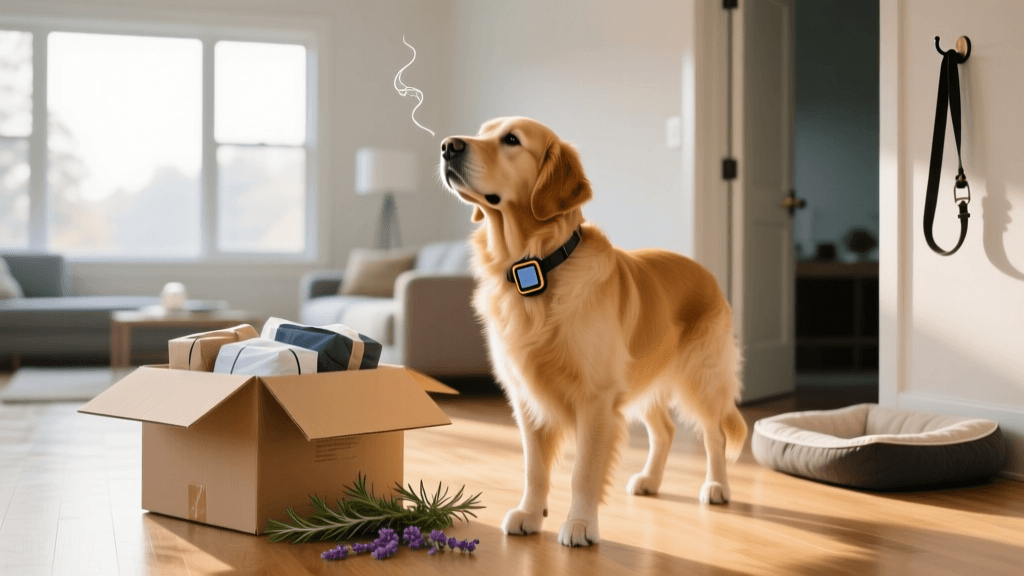
Whether your dog is in a crash-tested crate in the back of an SUV or an airline-approved carrier in the cabin, you must create a 'mobile scent bubble.' Line the crate with the unwashed 'Basecamp Blankets' you preserved during Phase 1. In 2026, synthetic pheromone technology has advanced significantly. Utilizing a product like the Adaptil Calm Collar or a ThunderEase spray applied to the crate bedding 15 minutes before departure mimics the appeasing pheromones produced by a nursing mother dog. This signals to the dog's limbic system that they are safe, even while the visual and olfactory environment outside the crate is changing rapidly.
'Never introduce a brand-new bed or toy on the day of a major move. The novelty combined with the stress of transit can create negative associative learning, causing the dog to reject the new item permanently.' — Canine Behavioral Psychology Guidelines, 2026.
Phase 3: Arrival and Scent Basecamp Setup
Arriving at your new interstate home is overwhelming. The house smells of fresh paint, previous occupants, cleaning chemicals, and strange local wildlife. Do not give your dog free roam of the entire house on day one. This leads to sensory overload and frantic over-marking as the dog attempts to claim the massive, unfamiliar space.
Establishing the Scent Basecamp
Before bringing your dog inside, set up a 'Scent Basecamp' in a single, easily enclosed room (such as a 10x12 foot spare bedroom or a large bathroom).
- Deploy the Anchors: Unpack the sealed plastic bin containing the unwashed blankets, your worn clothing, and the familiar toys. Arrange them in the corners of the room.
- Plug-In Diffusers: At least 48 hours before your dog's arrival (if possible), plug in a canine-appeasing pheromone diffuser in the Basecamp room. In 2026, high-quality diffusers cost between $40 and $60 and cover up to 700 square feet, creating a localized zone of chemical calm.
- Transfer Rubbing: Take a clean sock, rub it gently on your dog's cheeks and shoulders (where their natural facial pheromones are produced), and then rub that sock along the baseboards and furniture legs of the Basecamp room. This artificially jump-starts their scent-marking process.
Keep your dog confined to this Basecamp for the first 48 to 72 hours. Feed them, play with them, and let them sleep here. Once their heart rate settles and they stop pacing, you can gradually open the door to let them map the rest of the house at their own pace.
Timeline for Canine Scent-Mapping Success
Use this structured timeline to manage your dog's olfactory transition during your interstate move.
| Timeline Phase | Scent Strategy | Behavioral Goal | Est. Cost / Time |
|---|---|---|---|
| 3 Weeks Pre-Move | Stop washing designated 'Basecamp' blankets and toys. | Accumulate concentrated familiar environmental odors. | $0 / 5 mins |
| 1 Week Pre-Move | Begin using synthetic pheromone collars or sprays. | Establish a baseline of chemical calm before transit stress. | $25 - $40 |
| Transit Day | Seal dog in crate with unwashed items; avoid visual overstimulation. | Maintain the 'mobile scent bubble' and reduce sensory overload. | N/A / Travel time |
| Days 1 to 3 (Arrival) | Confine to Scent Basecamp; use cheek-rubbing transfer technique. | Prevent sensory overload and frantic territorial over-marking. | $40 - $60 (Diffuser) |
| Weeks 2 to 4 | Gradual expansion of territory; supervised outdoor scent walks. | Complete olfactory mapping of the new home and neighborhood. | N/A / 30 mins daily |
Recognizing Olfactory Disorientation
Even with meticulous planning, some dogs struggle to map a new environment, especially if the interstate move involves a drastic change in climate or altitude, which can alter how scent molecules travel through the air. The Humane Society of the United States notes that pets often exhibit hidden signs of stress during relocations. Watch for these specific behavioral indicators that your dog's olfactory mapping is incomplete or failing:
- Compulsive Over-Marking: If your dog is urinating small amounts on every vertical surface inside the new home, they are desperately trying to overwrite the unfamiliar scents with their own to create a sense of territory.
- Pacing and Panting at Night: Without the familiar scent cues that signal 'sleep time' and 'safety,' dogs may remain in a state of hyper-vigilance, unable to settle into deep REM sleep.
- Anorexia or Water Refusal: In a state of high psychological stress, a dog's digestive system slows down. If a dog refuses to eat in a new home, it is often because the food bowl smells like the new floor, not their old kitchen.
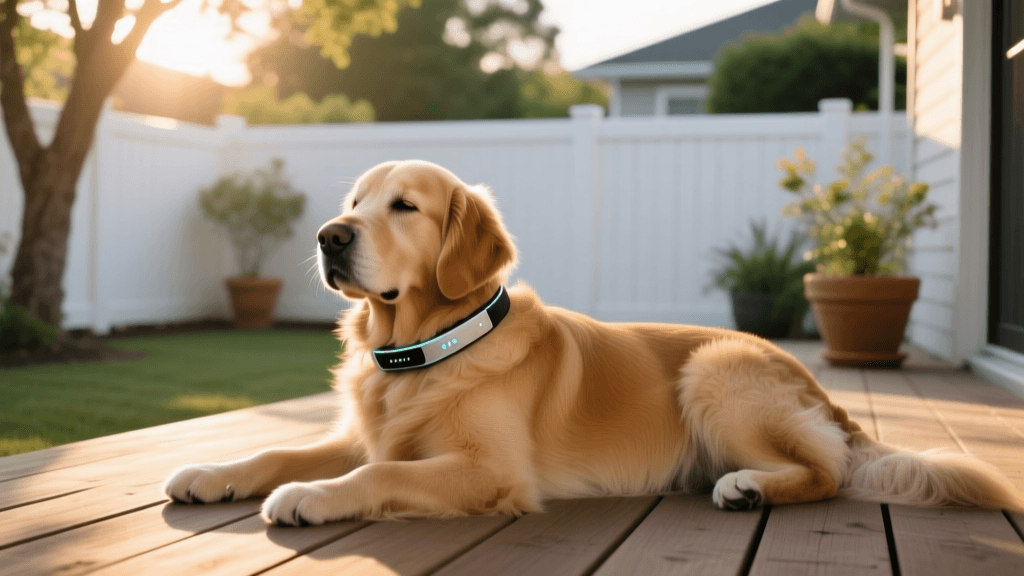
- Door Dashing or Escaping: A dog that cannot find their olfactory bearings may attempt to flee the property in search of a familiar scent trail, making secure fencing and GPS tracking collars essential in 2026.
Conclusion
An interstate move is a monumental life transition that tests the bond between you and your dog. By shifting your perspective from a purely visual and logistical approach to an olfactory one, you can profoundly impact your dog's psychological well-being. Preserving scent anchors, utilizing modern pheromone technology, and respecting the biological necessity of the Scent Basecamp will transform a chaotic relocation into a manageable adventure. Remember, to your dog, home isn't just a place they see—it's a place they smell. Help them build that invisible map, and they will settle into your new life with confidence and calm.
beth-carrasco
All our authors care for dogs every day — read more of their work on the authors page.