The Gut-Brain Axis: How Dog Nutrition Affects Anxiety
Discover how the canine gut-brain axis influences anxiety and behavior. Learn which nutrients, probiotics, and diets help calm your dog's nervous system.
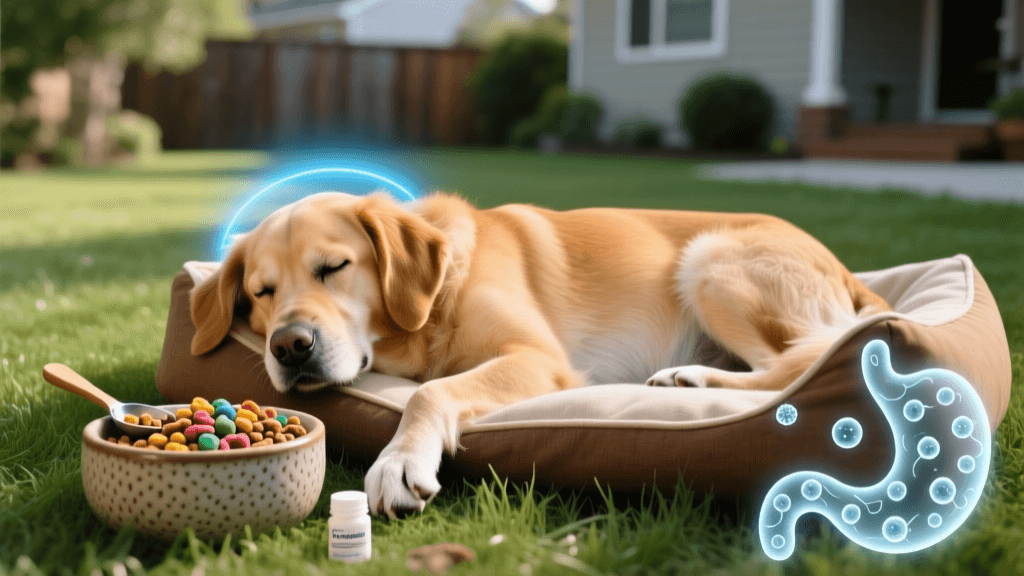
Understanding the Canine Gut-Brain Axis
When we think about canine behavior, we often look to training methods, socialization history, or breed instincts. However, an emerging field of veterinary science is revealing that some of your dog's most puzzling behavioral issues—such as unexplained anxiety, hyper-reactivity, or sudden lethargy—might actually originate in their digestive tract. This intricate communication network is known as the gut-brain axis, and understanding it is crucial for any dog owner looking to support their pet's psychological and emotional well-being through nutrition.
The gut-brain axis is a bidirectional communication system linking the enteric nervous system (the nervous system of the gastrointestinal tract) with the central nervous system (the brain and spinal cord). In dogs, just as in humans, the trillions of microorganisms residing in the gut microbiome produce neurotransmitters and metabolites that directly influence mood, stress responses, and cognitive function. When a dog's gut health is compromised by poor nutrition, inflammation, or an imbalance of bacteria (dysbiosis), the signals sent to the brain can manifest as behavioral problems.
The Biological Mechanism: How the Gut Talks to the Brain
To understand why a nutritional deep dive is essential for behavioral modification, we must look at the vagus nerve. This cranial nerve acts as the primary physical highway between the gut and the brain. When your dog eats, the microbes in their intestines break down food and produce short-chain fatty acids (SCFAs), serotonin, and gamma-aminobutyric acid (GABA). Remarkably, up to 90% of the body's serotonin—the primary neurotransmitter responsible for regulating mood and promoting a sense of calm—is produced in the gut, not the brain.
A healthy canine microbiome acts as a natural buffer against stress. When dysbiosis occurs, the vagus nerve transmits inflammatory signals to the brain, triggering a heightened state of arousal and anxiety.
If your dog is consuming a highly processed diet lacking in prebiotic fibers, or if they have recently undergone a course of antibiotics, their microbiome diversity plummets. The resulting drop in serotonin production and spike in intestinal permeability (often called "leaky gut") allows toxins to enter the bloodstream, triggering systemic inflammation that crosses the blood-brain barrier. The psychological result? A dog that is easily startled, unable to settle, or reactive to normal environmental stimuli.
Nutritional Deficiencies That Mimic Behavioral Problems
Before labeling a dog as "stubborn" or "aggressive," it is vital to rule out underlying nutritional deficiencies that impair neurological function. Certain vitamins, minerals, and amino acids are the direct building blocks of canine neurotransmitters. According to the World Small Animal Veterinary Association (WSAVA), ensuring complete and balanced nutrition is the foundational step in managing any canine health or behavioral condition.
Below is a structured comparison of common nutritional gaps and the behavioral symptoms they frequently trigger in dogs:
| Nutrient | Primary Dietary Sources | Behavioral Manifestation of Deficiency |
|---|---|---|
| Tryptophan | Turkey, chicken, pumpkin seeds, oats | Increased anxiety, poor impulse control, separation distress (precursor to serotonin) |
| Magnesium | Spinach, salmon, bone broth | Hyper-reactivity, muscle tension, inability to relax, sleep disturbances |
| B-Complex Vitamins | Organ meats, eggs, nutritional yeast | Brain fog, delayed learning, irritability, obsessive-compulsive behaviors |
| Omega-3 Fatty Acids (EPA/DHA) | Sardines, krill oil, phytoplankton | Neuro-inflammation leading to cognitive decline, fear-based aggression |
If your dog is exhibiting sudden behavioral shifts, reviewing their diet for these critical components is a necessary first step. Supplementing with whole-food sources or high-quality, veterinary-approved additives can yield noticeable improvements in emotional regulation within 4 to 8 weeks.
Psychobiotics: Targeted Probiotics for Canine Calmness
Not all probiotics are created equal when it comes to behavioral health. While standard probiotics (like Lactobacillus acidophilus) are excellent for digestive regularity, a specialized class of probiotics known as "psychobiotics" is specifically utilized to modulate the gut-brain axis. The most heavily researched strain in veterinary behavioral medicine is Bifidobacterium longum BL999.
Clinical studies highlighted by Purina Veterinary Supplements have demonstrated that daily supplementation with BL999 significantly reduces anxiety-related behaviors in dogs, such as excessive barking, pacing, and cortisol spikes during stressful events like thunderstorms or fireworks.
Actionable Steps for Implementing Psychobiotics
- Identify the Strain: Look for supplements explicitly listing Bifidobacterium longum BL999. Generic "multi-strain" powders often do not contain the specific colony-forming units (CFUs) required to cross the blood-brain barrier via the vagus nerve.
- Dosage and Timing: The standard effective dose is typically 5 billion CFUs per day, regardless of the dog's weight. Because probiotics are sensitive to heat, always mix the powder into room-temperature or cool food, never hot bone broth or freshly cooked meals.
- The Loading Phase: Behavioral changes via the microbiome are not instantaneous. It takes approximately 6 weeks of consistent daily administration to alter the gut flora enough to impact neurotransmitter production. Track your dog's behavior using a daily journal to note subtle shifts in reactivity.
For more general guidance on introducing beneficial bacteria to your dog's diet, the American Kennel Club (AKC) provides excellent foundational advice on selecting safe, canine-specific probiotic formulations over human-grade alternatives, which can sometimes cause gastrointestinal upset.
Dietary Adjustments to Fuel a Calm Nervous System
Beyond targeted supplementation, the macronutrient profile of your dog's daily meals plays a profound role in their psychological baseline. Diets excessively high in simple carbohydrates and sugars can cause rapid spikes and crashes in blood glucose. In dogs, a hypoglycemic crash triggers the release of adrenaline and cortisol—stress hormones that induce a "fight or flight" response, making the dog appear hyperactive, irritable, or unable to focus on training cues.
The Complex Carbohydrate Solution
Swapping out high-glycemic fillers (like corn syrup or white rice) for complex, fiber-rich carbohydrates helps stabilize blood sugar. Ingredients such as sweet potatoes, oats, and lentils provide a slow, steady release of glucose. Furthermore, these complex carbs act as prebiotics—the indigestible fibers that feed the beneficial psychobiotics in the colon, allowing them to thrive and produce those vital short-chain fatty acids.
Optimizing Protein Quality
Protein is essential, but the source matters for behavioral health. Highly digestible, novel proteins (such as rabbit, venison, or wild-caught salmon) reduce the likelihood of low-grade food sensitivities. Food intolerances are a massive, often overlooked source of systemic inflammation. A dog suffering from chronic gastrointestinal discomfort is a dog living in a constant state of low-grade stress, which severely lowers their threshold for environmental triggers. By utilizing an elimination diet or transitioning to a limited-ingredient, high-quality protein diet, you remove the physical discomfort that fuels psychological reactivity.
Conclusion: Observing the Whole Dog
Understanding your dog requires looking beyond the surface of their behavior and examining the biological systems that drive it. The gut-brain axis is a powerful reminder that nutrition and psychology are inextricably linked. By addressing potential nutritional deficiencies, introducing targeted psychobiotics like BL999, and stabilizing blood sugar through complex carbohydrates, you can fundamentally alter your dog's chemical state.
Behavioral modification and training are incredibly important, but they are most effective when built upon a foundation of optimal neurological and digestive health. The next time your dog struggles to cope with stress, consider taking a deep dive into their bowl. The path to a calmer, happier, and more balanced dog often begins in the gut.
priya-sutaria
All our authors care for dogs every day — read more of their work on the authors page.