Decoding Canine Calming Signals And Stress Displacement In 2026
Learn to decode canine calming signals and stress displacement behaviors in 2026. Prevent anxiety and build trust by understanding your dog's subtle cues.
The Evolution of Canine Communication Science in 2026
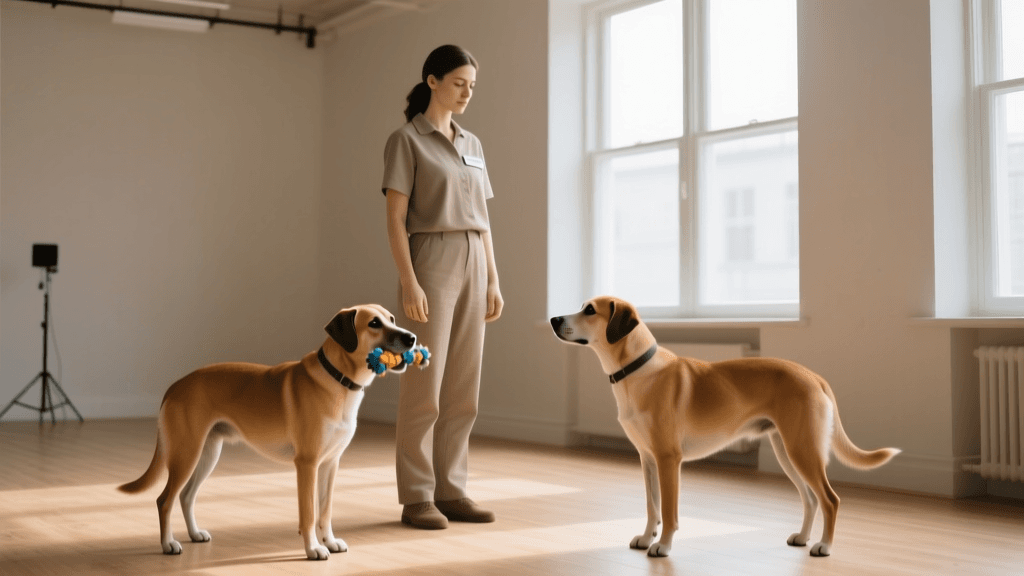
As we navigate through 2026, the landscape of canine behavioral science has shifted dramatically toward proactive stress recognition and force-free advocacy. Modern veterinary behaviorists and certified professional dog trainers no longer view dogs merely as animals that need to be trained to obey; instead, they are recognized as complex emotional beings with a rich, nuanced vocabulary of body language. For decades, dog owners were taught to look for obvious signs of distress, such as growling, baring teeth, or cowering. However, these are late-stage warning signs. By the time a dog resorts to growling, they have already exhausted their primary methods of communication.
Understanding your dog's subtle, early-stage communication cues—specifically calming signals and stress displacement behaviors—is the cornerstone of modern dog ownership. Recognizing these micro-expressions allows you to intervene before your dog's nervous system becomes overwhelmed, ultimately preventing bites, reducing chronic anxiety, and deepening the bond of trust between you and your canine companion. According to the ASPCA's comprehensive guide to canine body language, learning to read these subtle cues is one of the most effective ways to ensure safe interactions between dogs, humans, and other animals.
The Foundation: What Are Calming Signals?
The concept of 'calming signals' was pioneered by Norwegian dog trainer and behaviorist Turid Rugaas in the late 20th century, and it remains the gold standard in 2026. Calming signals are innate, evolutionary behaviors that dogs use to self-soothe, lower their own heart rate, and communicate peaceful intentions to others. They are the canine equivalent of a human taking a deep breath and holding up their hands to say, 'Let's all just relax.'
Dogs use these signals in two primary contexts: to calm themselves down when they feel uncertain or mildly stressed, and to calm down another dog or human who is acting too energetic, aggressive, or confrontational. When a dog displays a calming signal, they are actively trying to avoid conflict and de-escalate a situation. Ignoring these signals or punishing a dog for exhibiting them forces the dog to skip these crucial warning steps, often leading directly to reactive or aggressive outbursts.
7 Critical Calming Signals Every Owner Must Recognize
To become a fluent speaker of 'dog,' you must learn to spot these seven common calming signals in your daily life.
1. The Contextual Yawn
While dogs yawn when they are tired, a contextual yawn occurs when a dog is fully awake but facing a stressful trigger. If a stranger approaches too quickly, or if you raise your voice, your dog may yawn repeatedly. This is not boredom; it is a physiological attempt to regulate their nervous system and signal to the trigger that they are not a threat.
2. Lip Licking and Nose Flicking
A quick, darting tongue that licks the nose or lips is one of the most common and frequently missed calming signals. It often happens in milliseconds. You will frequently see this at the veterinarian's office, during training sessions when a dog is confused, or when a toddler hugs a dog too tightly. It indicates mild discomfort and a plea for space.
3. The Head Turn and Avoidance Gaze
In the canine world, direct, sustained eye contact is a challenge or a threat. When a dog feels pressured, they will deliberately turn their head away or avert their gaze. If you are calling your dog and they turn their head sideways while walking toward you, they are trying to defuse the perceived tension in your voice or posture.
4. Sudden Ground Sniffing
If your dog suddenly becomes intensely interested in a patch of bare dirt while another dog or an unfamiliar person approaches, they are likely employing a calming signal. Sniffing the ground is a non-threatening behavior that signals to the approaching party, 'I am busy, I am not a threat, please do not confront me.'
5. The Curved Approach
Dogs rarely walk in straight lines toward one another unless they are intending to be confrontational. A polite, calming approach involves walking in a wide arc or curve. If your dog resists walking in a straight line toward a new dog on a leash, respect their instinct to curve; it is their way of being polite and avoiding a fight.
6. Blinking and Softening Eyes
A hard, unblinking stare is a sign of arousal or aggression. Conversely, slow blinking and softening the eyes (often described as 'whale eye' when combined with a turned head) is a deliberate attempt to project peacefulness and lower the emotional temperature of an interaction.
7. The Defusing Play Bow
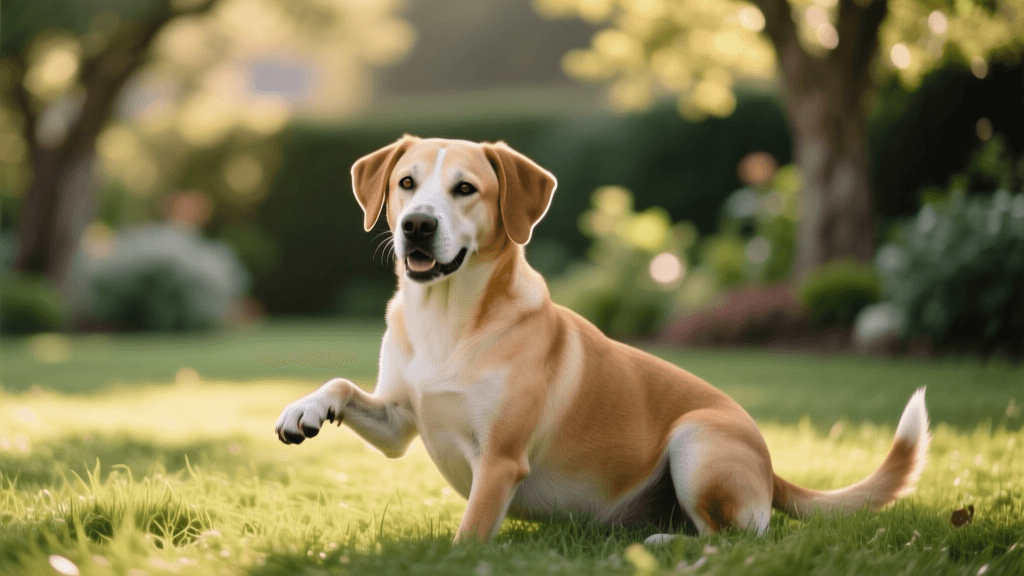
While play bows are used to initiate games, they are also used as a powerful calming signal. If a tense interaction occurs between two dogs, one may drop into a play bow to say, 'I don't want to fight, let's reset this interaction into something positive.'
When Calming Fails: Stress Displacement Behaviors
If a dog's calming signals are ignored, or if the environmental stressor is too intense, the dog's internal conflict escalates. This leads to 'displacement behaviors.' These are normal behaviors performed out of context due to a surge in cortisol and adrenaline. The dog is experiencing an emotional short-circuit and is redirecting their nervous energy into a physical action. The Humane Society's resources on reading dog body language emphasize that recognizing these displacement behaviors is critical, as they often precede a bite or a full-blown panic response if the dog is not removed from the situation.
Common displacement behaviors include sudden, intense scratching (when not itchy), vigorous 'shake-offs' as if they just got out of the water, biting at their own leash, mounting objects or other dogs, and excessive, out-of-context panting. These behaviors indicate that the dog is no longer trying to calmly defuse the situation; they are now actively struggling to cope with overwhelming stress.
Calming Signals vs. Displacement Behaviors: A Quick Reference Chart
| Behavior | Category | Canine Meaning & Context |
|---|---|---|
| Contextual Yawning | Calming Signal | Attempting to self-soothe, lower heart rate, and defuse tension. |
| Lip Licking / Nose Flick | Calming Signal | Mild discomfort, confusion, or a polite request for more space. |
| Head Turn / Looking Away | Calming Signal | Avoiding confrontation; signaling peaceful, non-threatening intentions. |
| Sudden Intense Scratching | Displacement | Nervous energy redirection; the dog is conflicted and overwhelmed. |
| Full Body Shake-Off | Displacement | 'Shaking off' stress after a tense encounter; an adrenaline release. |
| Biting Leash or Harness | Displacement | Frustration and barrier anxiety; inability to escape the stressor. |
| Excessive Panting | Displacement | Thermoregulation of stress; adrenaline spike when not physically hot. |
Actionable Steps: How to Respond to Your Dog's Signals in 2026
Recognizing the signals is only half the equation. As an advocate for your dog, you must know how to respond when you see these micro-expressions. Modern force-free training protocols in 2026 prioritize the following actionable steps:
1. Advocate for Space Immediately
If your dog yawns, licks their lips, or turns their head away when a stranger attempts to pet them, step between the stranger and your dog. Use a polite but firm phrase like, 'My dog is in training and needs space, thank you.' Do not force your dog to accept physical contact when they are exhibiting calming signals.
2. Utilize Decompression Walks
If your dog displays displacement behaviors like leash biting or excessive panting, their nervous system is fried. Transition to a 'decompression walk' using a long line (15 to 30 feet) in a quiet, natural area. Allow them to sniff freely. Sniffing lowers a dog's pulse rate and allows their brain to process environmental stressors naturally.
3. Employ Treat Scattering
When your dog is fixated on a mild trigger and showing early calming signals, toss a handful of high-value treats into the grass. This encourages the natural, calming behavior of foraging and ground-sniffing, which chemically shifts their brain from a state of arousal to a state of relaxation.
4. Respect the Curved Approach
When introducing your dog to a new canine friend, avoid tight, head-on leash greetings. Give them the length of the leash to walk in parallel arcs. This respects their natural communication style and drastically reduces the likelihood of leash reactivity.
Conclusion
Understanding canine communication is an ongoing journey that requires patience, observation, and empathy. By learning to identify calming signals and stress displacement behaviors, you elevate your role from a simple caretaker to a trusted advocate for your dog. In 2026, the most successful human-canine relationships are built on mutual respect and a deep understanding of the silent, beautiful language our dogs speak every single day. Listen to their whispers so they never have to shout.
robin-maitland
All our authors care for dogs every day — read more of their work on the authors page.