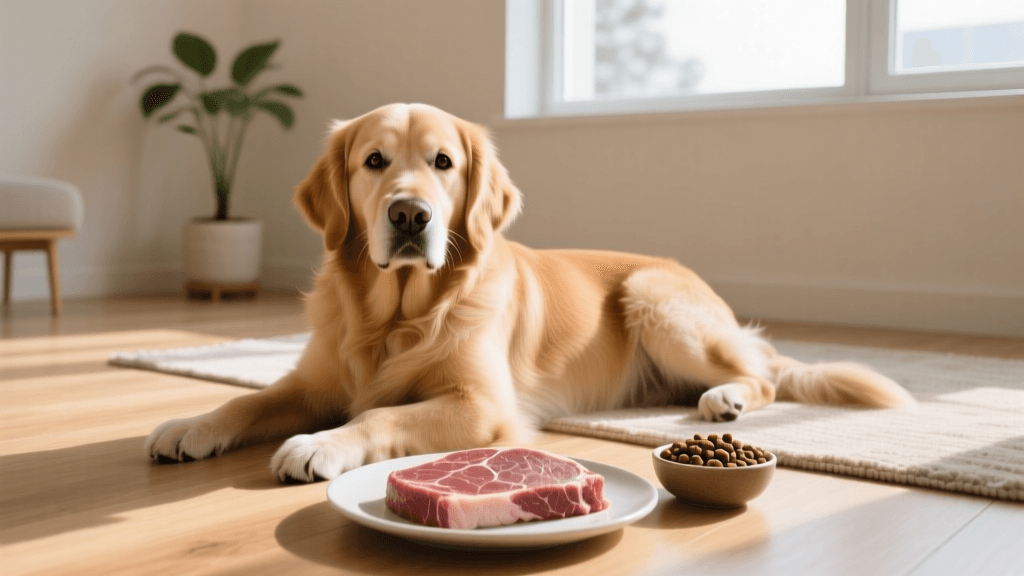
HPP Raw Venison Dog Diet for Allergies: 2026 Guide
Discover how HPP raw venison dog diets manage severe allergies in 2026. Learn safety, nutritional balancing, and transition tips for sensitive hounds.
The Evolution of Raw Feeding in 2026
As we navigate the veterinary nutrition landscape in 2026, the debate between raw and cooked diets has reached a fascinating middle ground. For decades, pet owners have championed raw diets for their species-appropriate benefits, while veterinarians have rightfully raised concerns regarding bacterial pathogens like Salmonella, Listeria, and E. coli. Today, the introduction and widespread adoption of High-Pressure Processing (HPP) technology has fundamentally shifted this paradigm. HPP allows dog owners to feed a biologically appropriate, nutrient-dense raw diet without the severe public health risks associated with traditional raw feeding. When paired with a novel protein like venison, HPP raw diets have become a gold-standard alternative for managing severe canine allergies, inflammatory bowel disease (IBD), and chronic gastrointestinal sensitivities.
What is High-Pressure Processing (HPP)?
High-Pressure Processing is an innovative, non-thermal food safety intervention. Instead of using heat—which destroys heat-sensitive vitamins, enzymes, and amino acids—HPP subjects the packaged raw food to immense hydrostatic pressure, typically around 87,000 pounds per square inch (psi). This extreme pressure effectively inactivates harmful vegetative bacteria, parasites, and viruses by disrupting their cellular structures. The result is a raw dog food that retains its natural moisture, enzymatic activity, and structural integrity, but is entirely free from dangerous pathogens. The FDA Pet Food Safety Guidelines acknowledge that while raw diets inherently carry risks, interventions like HPP significantly mitigate the danger of cross-contamination in the household. In 2026, HPP is no longer a niche luxury; it is an expected standard for premium commercial raw food brands and specialized veterinary alternative diets.
Why Venison? The Ultimate Novel Protein
When formulating an alternative diet for a dog with severe food allergies or environmental atopy, the choice of protein is critical. Venison (deer meat) is classified as a novel protein, meaning it is not commonly found in standard commercial kibble or traditional diets. Because most dogs have never been exposed to venison, their immune systems have not developed an IgE-mediated allergic response to it. Venison is naturally lean, rich in B-vitamins, and boasts a highly bioavailable iron profile. Furthermore, its lower fat content compared to beef or lamb makes it exceptionally gentle on the digestive tract, which is crucial for dogs suffering from IBD or exocrine pancreatic insufficiency (EPI). The American Kennel Club (AKC) Novel Protein Guide highlights that utilizing a strictly novel protein source is the most effective first step in conducting an elimination diet trial to identify food sensitivities.
Furthermore, the venison used in premium canine diets in 2026 is increasingly sourced from managed, free-range populations in New Zealand and North America. This not only ensures a cleaner, hormone-free protein profile but also aligns with the growing eco-conscious demands of modern pet owners. Unlike factory-farmed poultry or beef, wild-harvested or ethically managed venison offers a superior amino acid profile without the residual antibiotics that can disrupt a dog's delicate gut microbiome.
Nutritional Balancing: Beyond Just the Meat
Feeding a raw venison diet requires meticulous nutritional balancing. Muscle meat alone is severely deficient in calcium, trace minerals, and certain fat-soluble vitamins. Whether you are utilizing a pre-balanced commercial HPP venison formula or working with a board-certified veterinary nutritionist to formulate a DIY recipe, specific attention must be paid to the calcium-to-phosphorus ratio. The ideal ratio for adult dogs is roughly 1.2:1. Because venison is extremely lean, adding a high-quality source of Omega-3 fatty acids, such as wild-caught salmon oil or phytoplankton, is essential to maintain a healthy skin barrier and reduce systemic inflammation. Additionally, incorporating a safe, bioavailable calcium source like microcrystalline hydroxyapatite (MCHA) or finely ground eggshell powder is mandatory if the diet does not include raw, weight-bearing bones (which are generally avoided in HPP diets as the pressure process can alter bone density and make them brittle).
Essential Supplements for a Venison-Based Diet
- Vitamin E (as mixed tocopherols): Essential to prevent oxidative stress, especially when supplementing with Omega-3 oils.
- Iodine (via kelp powder): Crucial for natural thyroid support and metabolic regulation.
- Manganese: Often lacking in muscle meat and bone, vital for joint, cartilage, and ligament health.
- Canine-Specific Probiotics: To support and stabilize the gut microbiome during the dietary transition.
Comparison Chart: HPP Raw vs. Traditional Raw vs. Gently Cooked
| Diet Type | Pathogen Risk | Nutrient Retention | Digestibility | Best For |
|---|---|---|---|---|
| HPP Raw Venison | Extremely Low | Maximum (Enzymes intact) | High | Allergy/IBD dogs in multi-pet homes |
| Traditional Raw | High | Maximum (Enzymes intact) | High | Healthy dogs, experienced handlers |
| Gently Cooked | Very Low | Moderate (Heat-sensitive loss) | Very High | Severe IBD, immunocompromised dogs |
The 10-Day Transition Protocol for Sensitive Stomachs
Transitioning a dog with a sensitive stomach to a new HPP raw venison diet must be done with extreme patience. Rushing the process can lead to gastrointestinal upset, diarrhea, and vomiting. In 2026, veterinary gastroenterologists recommend a slow, 10-to-14-day transition protocol.
Days 1-3: 25% HPP Venison, 75% current diet.
Days 4-6: 50% HPP Venison, 50% current diet.
Days 7-9: 75% HPP Venison, 25% current diet.
Day 10+: 100% HPP Venison.
If at any point your dog experiences loose stools, halt the transition, maintain the current ratio, and introduce a soluble fiber supplement like canned plain pumpkin or psyllium husk powder until stools firm up. The Cornell University College of Veterinary Medicine emphasizes that gradual dietary shifts are paramount for allowing the canine gut microbiome to adapt to new protein structures and fat profiles.
Sourcing and Costs in 2026
As of 2026, the cost of premium HPP raw venison dog food reflects both the ethical sourcing of the meat and the expensive processing technology. Expect to pay between $9.00 and $14.00 per pound for commercially prepared, fully balanced HPP venison diets. While this is a significant investment compared to traditional kibble, many owners find that the reduction in veterinary bills related to allergy medications, ear infections, and gastrointestinal treatments offsets the initial food cost. When sourcing, always look for brands that transparently display their HPP certification and provide full AAFCO nutritional adequacy statements for all life stages.
Proper storage and handling of HPP raw food remain paramount. Although the HPP process eliminates pathogens at the time of packaging, once the seal is broken, the food is susceptible to environmental bacteria. Always thaw HPP raw venison in the refrigerator, never on the counter or in warm water. Once thawed, the food should be consumed within 48 to 72 hours. Keep the food in a designated, sealed container at the bottom of your refrigerator to prevent any accidental cross-contamination with human foods. Always wash your hands, your dog's bowls, and preparation surfaces with hot, soapy water immediately after handling raw pet food.
Final Thoughts on Alternative Diets
The integration of High-Pressure Processing into raw venison diets represents a massive leap forward for canine health and wellbeing in 2026. By combining the evolutionary benefits of raw feeding with modern food safety science and the hypoallergenic properties of novel proteins, pet owners now have a powerful tool to combat chronic canine allergies and digestive disorders. Always consult with your veterinarian or a certified canine nutritionist before making significant changes to your dog's diet to ensure their unique, individual health needs are met.
priya-sutaria
All our authors care for dogs every day — read more of their work on the authors page.