How To Keep Your Dog Cool In Hot Weather
Learn about how to keep your dog cool in hot weather with expert tips and data-backed advice.
Understanding Heat Risk in Dogs
Dogs are far more vulnerable to heat than most owners realise. Unlike humans, dogs cannot sweat through their skin — they rely almost entirely on panting to regulate body temperature, a mechanism that becomes rapidly overwhelmed in hot, humid conditions. When the ambient temperature climbs above 25°C (77°F), the risk of heat-related illness begins to rise, and at 32°C (90°F) or above, even a short period of direct sun exposure can be dangerous for certain breeds.
The British Veterinary Association (BVA, 2023) reports that heat-related illness in dogs spikes significantly during summer months, with brachycephalic breeds — those with flat faces such as Bulldogs, Pugs, and French Bulldogs — accounting for a disproportionate number of emergency presentations. These dogs have anatomically restricted airways that make effective panting nearly impossible, placing them at extreme risk even in moderately warm weather.
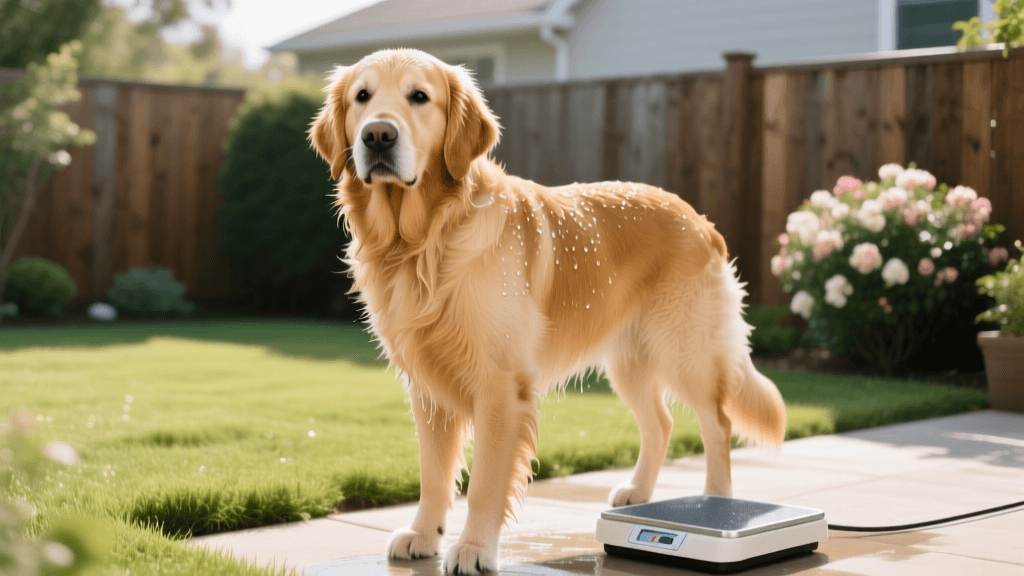
Understanding the physiology behind overheating is the first step toward preventing it. A dog's normal body temperature sits between 38°C and 39.2°C (100.4°F–102.6°F). Once core temperature exceeds 41°C (105.8°F), heatstroke sets in — a life-threatening emergency that can cause organ failure, brain damage, and death within minutes if not treated immediately.
Recognising the Warning Signs of Overheating
Early recognition of heat stress can be the difference between a quick recovery and a veterinary emergency. Owners should monitor their dogs closely during warm weather and act at the first sign of distress.
Early Warning Signs
The initial signs of heat stress are easy to miss if you are not actively watching for them. Heavy, rapid panting that seems disproportionate to the level of activity is often the first indicator. You may also notice excessive drooling, restlessness, and your dog seeking shade or cool surfaces more insistently than usual.
- Rapid, laboured panting
- Excessive salivation or drooling
- Bright red or pale gums
- Lethargy or reluctance to move
- Seeking cool surfaces (tiles, shade, water)
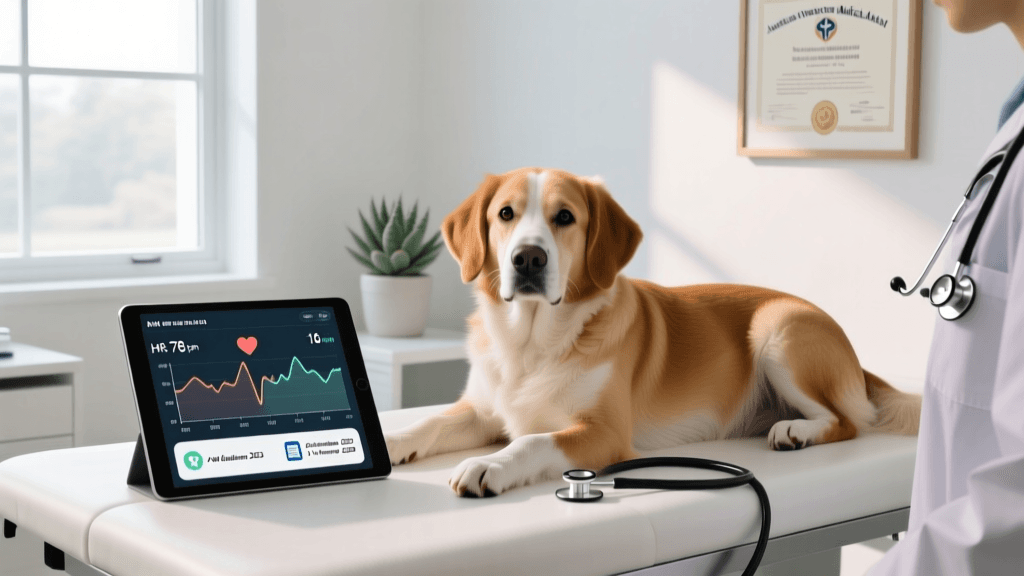
- Increased heart rate
Signs of Heatstroke — Act Immediately
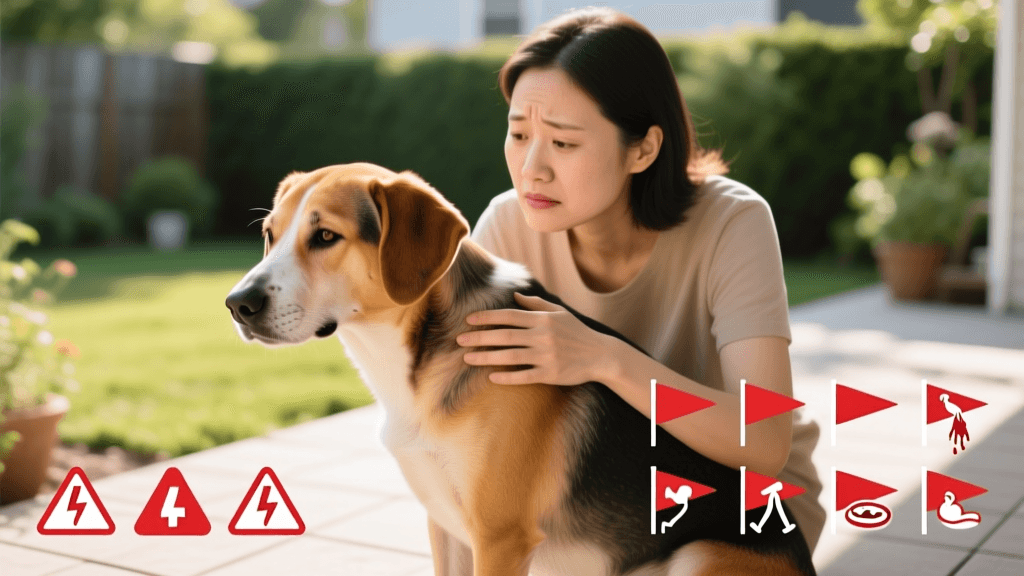
If early signs are missed or conditions worsen rapidly, heatstroke can develop within 15–20 minutes. The PDSA (2022) identifies the following as emergency indicators requiring immediate veterinary attention:
- Vomiting or diarrhoea, sometimes with blood
- Muscle tremors or seizures
- Collapse or inability to stand
- Glazed or unfocused eyes
- Loss of consciousness
If you observe any of these signs, move your dog to a cool, shaded area immediately, apply cool (not cold) water to their body — particularly the neck, armpits, and groin — and contact your veterinarian or an emergency animal hospital without delay. Do not use ice-cold water, as this can cause blood vessels near the skin to constrict, trapping heat inside the body.
Practical Cooling Strategies for Hot Days
Prevention is always preferable to treatment. A combination of environmental management, hydration, and adjusted routines will keep most dogs safe through even the hottest summer periods.
Adjusting Exercise Timing and Duration
The Royal Veterinary College (RVC) advises walking dogs before 8am or after 8pm during heatwaves, when pavement temperatures are significantly lower. Tarmac and paving stones can reach temperatures exceeding 60°C (140°F) on a sunny day — hot enough to cause burns to paw pads within 60 seconds of contact. A simple test: place the back of your hand on the pavement for seven seconds. If it is uncomfortable for you, it is unsafe for your dog.
Reduce walk duration by at least 50% on days when the temperature exceeds 25°C, and avoid high-intensity activities such as fetch or running entirely. Even fit, healthy dogs can overheat quickly when exercising in warm conditions.
Hydration and Water Access
Fresh, cool water should be available to your dog at all times. During hot weather, increase the number of water stations around the home and garden. Adding a few ice cubes to the water bowl can help keep it cool for longer. Dogs typically require approximately 50–60ml of water per kilogram of body weight per day under normal conditions; this requirement increases substantially in heat or during exercise.
Portable water bottles designed for dogs are invaluable on walks. Offer water every 15–20 minutes during outdoor activity in warm weather, even if your dog does not appear thirsty — thirst is not always a reliable indicator of dehydration in dogs.
"Never leave a dog in a parked car, even with the windows open. On a 22°C (72°F) day, the interior of a car can reach 47°C (117°F) within 60 minutes. This is a leading cause of preventable heatstroke deaths in dogs." — British Veterinary Association, 2023
Cooling Products and Home Adaptations
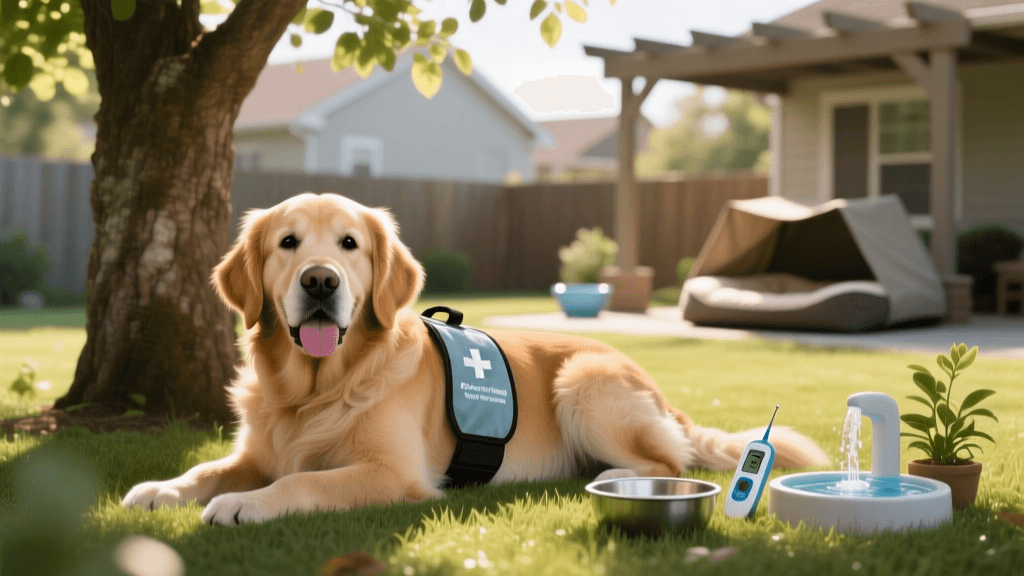
A range of products can help maintain a comfortable temperature for your dog during hot spells. Cooling mats, which use pressure-activated gel to absorb body heat, are widely available and effective for dogs that will lie on them. These mats typically remain cool for 3–4 hours before needing to recharge at room temperature.
Paddling pools designed for dogs provide an excellent way for water-loving breeds to self-regulate their temperature. Even a shallow tray of cool water that allows a dog to stand and wet their paws can provide meaningful relief, as the paw pads are one of the few areas where dogs can release heat through moisture.
Cooling vests and bandanas work by evaporative cooling — soaking them in cold water and placing them on the dog allows heat to dissipate as the water evaporates. These are particularly useful for dogs that must be outdoors for extended periods. Ensure the vest does not restrict breathing or movement, and re-wet it every 20–30 minutes in high temperatures.
Indoors, fans and air conditioning are highly effective. If air conditioning is not available, closing curtains on sun-facing windows during the hottest part of the day (typically 11am–3pm) can reduce indoor temperatures by several degrees. Placing a frozen water bottle in front of a fan creates a simple, low-cost cooling effect.
Breed-Specific and Individual Risk Factors
Not all dogs face the same level of heat risk. Several factors significantly increase vulnerability, and owners of high-risk dogs should take additional precautions.
| Risk Factor | Examples | Recommended Precaution |
|---|---|---|
| Brachycephalic breed | Bulldog, Pug, Shih Tzu, Boxer | Limit outdoor time above 20°C; avoid any strenuous exercise |
| Obesity | Any overweight dog | Reduce exercise intensity; increase shade and water access |
| Senior dogs (7+ years) | All breeds | Shorten walks; monitor closely for early signs |
| Thick or double coat | Husky, Chow Chow, Malamute | Professional grooming; avoid midday sun entirely |
| Underlying health conditions | Heart disease, laryngeal paralysis | Consult vet for individual heat management plan |
Puppies under six months also have less efficient thermoregulation than adult dogs and should be treated with similar caution to senior animals. Their smaller body mass means they can overheat more quickly, and they are less likely to self-limit activity when hot.
Dogs with dark or black coats absorb significantly more solar radiation than lighter-coated dogs. Research published through the University of Edinburgh's Royal (Dick) School of Veterinary Studies has highlighted coat colour as an underappreciated risk factor, particularly for dogs spending time in direct sunlight.
When to Call Your Vet
If you have applied first aid cooling measures and your dog has not shown clear improvement within 10 minutes, call your veterinarian immediately. Even dogs that appear to recover quickly after a heat episode should be assessed by a vet, as internal organ damage — particularly to the kidneys and liver — may not be immediately apparent from outward signs.
Your vet may recommend blood tests to check kidney function, clotting ability, and electrolyte balance following a suspected heatstroke episode. In severe cases, intravenous fluid therapy is required to restore hydration and support organ function. The PDSA (2022) notes that dogs treated for heatstroke within 90 minutes of onset have significantly better outcomes than those where treatment is delayed.
Preventive veterinary check-ups before summer are also worthwhile, particularly for brachycephalic dogs. Corrective surgeries such as widening of the nostrils (rhinoplasty) or shortening of an elongated soft palate can meaningfully improve a flat-faced dog's ability to thermoregulate, reducing their heat risk over the long term. Discuss these options with your vet if you own a breed known to be affected by brachycephalic obstructive airway syndrome (BOAS).
Keeping your dog safe in hot weather requires consistent attention and a willingness to adjust routines when conditions demand it. With the right precautions in place, the vast majority of heat-related illness in dogs is entirely preventable.
Anouk Beaumont
All our authors care for dogs every day — read more of their work on the authors page.