7 Costly Home Preparation Mistakes New Dog Owners Make
Avoid these 7 common home preparation and budget mistakes when getting a new dog. Learn essential puppy-proofing tips and first-year cost breakdowns.

Bringing a new dog into your home is one of the most exciting milestones in life. Whether you are adopting a senior rescue or bringing home an eight-week-old puppy, the anticipation of cuddles, walks, and companionship can easily overshadow the practical realities of pet ownership. Unfortunately, many first-time dog owners fall into the trap of assuming that love alone is enough to prepare a home for a canine companion. The truth is that failing to properly prepare your living space and your budget can lead to destroyed property, unexpected veterinary emergencies, and a highly stressful transition for both you and your new pet.
To ensure a smooth transition, it is crucial to look at home preparation through the lens of common pitfalls. Below, we break down the seven most costly home preparation mistakes new dog owners make, complete with actionable advice, specific product recommendations, and expert-backed strategies to set you up for success from day one.
Mistake 1: Underestimating the First-Year Financial Commitment
The most common mistake occurs before the dog even enters the house: failing to budget accurately. Many new owners budget only for the adoption fee or purchase price, completely overlooking the compounding costs of the first twelve months. According to the ASPCA's pet care cost breakdown, the first year of dog ownership can easily range from $1,500 to over $3,000, depending on the size of the dog and unexpected medical needs.
To avoid financial strain, you must map out both initial setup costs and recurring expenses. Failing to establish an emergency veterinary fund is a critical error that often results in owners surrendering pets they can no longer afford to treat.
First-Year Dog Ownership Cost Breakdown
| Expense Category | Estimated First-Year Cost | Pro-Tip for New Owners |
|---|---|---|
| Initial Supplies (Crate, Bed, Leash, Bowls) | $200 - $450 | Invest in a high-quality, chew-proof crate and a washable, orthopedic bed to avoid replacing them multiple times. |
| Routine Veterinary Care & Vaccines | $300 - $600 | Look for local low-cost vaccine clinics for initial puppy or rescue shots to save money. |
| High-Quality Dog Food & Treats | $400 - $800 | Buy in bulk from reputable brands, but transition food slowly over 7-10 days to avoid gastrointestinal upset. |
| Spay/Neuter & Microchipping | $150 - $400 | Many rescues include this in the adoption fee. Always verify before paying out of pocket. |
| Training & Socialization Classes | $150 - $300 | Group classes are cheaper and offer vital socialization compared to private in-home trainers. |
| Emergency Medical Fund | $500 - $1,000+ | Keep this in a separate savings account or invest in comprehensive pet insurance immediately. |
Mistake 2: Overlooking Toxic Houseplants and Unsafe Cleaners
Many popular houseplants and everyday cleaning supplies are highly toxic to dogs. A frequent and costly mistake is assuming that because a plant is safe for humans or cats, it is safe for dogs. Ingestion of toxic flora can lead to thousands of dollars in emergency vet bills, or worse, fatal organ failure.
Before bringing your dog home, audit your indoor and outdoor greenery. Consult the ASPCA's comprehensive list of toxic and non-toxic plants to verify every species in your home. Common culprits include the Sago Palm (which causes severe liver failure), Aloe Vera, Lilies, and Pothos. Furthermore, outdoor landscaping like cocoa bean mulch is highly toxic if ingested.
Similarly, switch your cleaning supplies to pet-safe alternatives. Avoid bleach and ammonia-based cleaners on floors where your dog will walk and lick their paws. Instead, stock up on enzyme-based cleaners like Nature's Miracle Advanced Stain & Odor Eliminator, which breaks down organic matter from accidents without leaving behind harmful chemical residues or lingering odors that encourage re-soiling.
Mistake 3: Skipping the 'Puppy-Proofing' Crawl Test
Adult humans view the world from five to six feet in the air; dogs view it from less than two feet. A major mistake is failing to get down on your hands and knees to conduct a thorough 'crawl test' of your home. According to the American Kennel Club's puppy-proofing guidelines, dogs explore the world with their mouths, meaning anything within reach is a potential choking hazard or expensive casualty.
Essential Crawl Test Checklist:
- Electrical Cords: Use cord concealers like the JOTO Cord Protector or bitter apple spray to deter chewing on TV and lamp wires.
- Small Objects: Pick up children's toys (especially Legos), coins, hair ties, and dropped medications. Hair ties and rubber bands are notorious for causing life-threatening intestinal blockages.
- Low-Hanging Fabrics: Tie up curtain cords and ensure expensive rugs are rolled up or treated with pet-safe stain repellents until the dog is fully house-trained.
- Cabinet Latches: Install child-proof magnetic locks on lower kitchen and bathroom cabinets containing trash, recycling, or cleaning supplies.
Mistake 4: Buying the Wrong Sized Crate and Bed
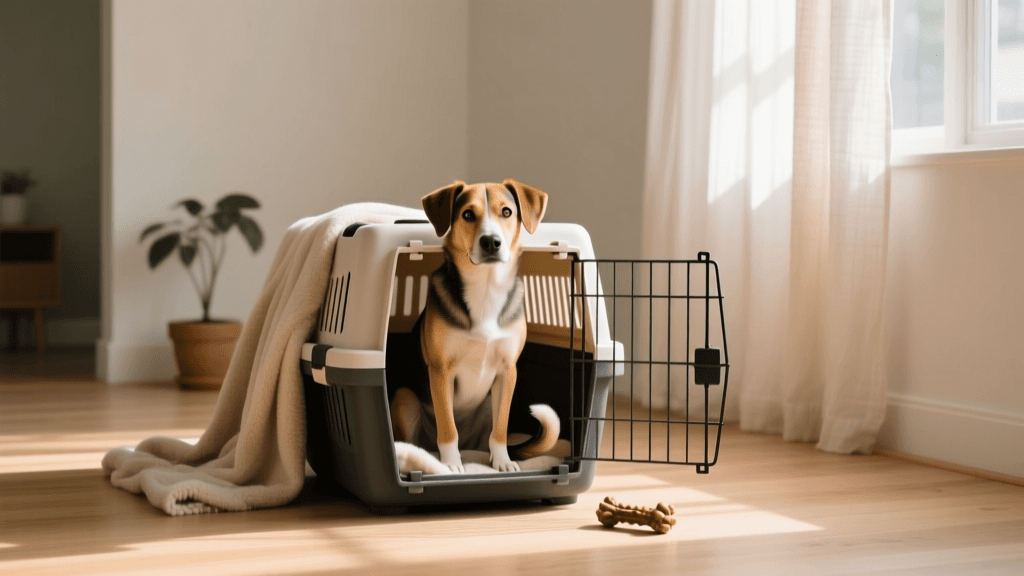
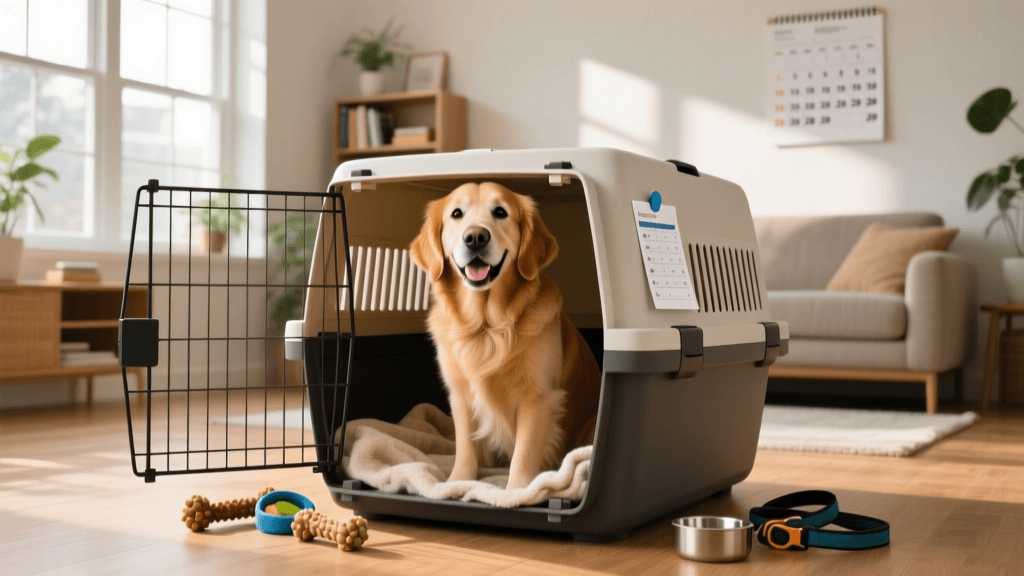
Crates are essential for house training and providing a safe den for your dog, but buying the wrong size is a common and frustrating error. A crate that is too large allows a puppy to eliminate in one corner and sleep in the other, completely defeating the purpose of crate training. Conversely, a crate that is too small causes anxiety and physical discomfort.
The golden rule of crate sizing is that your dog must be able to stand up without their head touching the top, turn around in a full circle, and lie down stretched out. For growing puppies, purchase a wire crate like the MidWest Homes for Pets iCrate that comes with an adjustable divider panel. This allows you to expand the living space incrementally as your puppy grows, saving you from buying three different crates in the first year. Skip the plush, expensive donut beds for the first six months; opt for a chew-resistant, elevated cot like the Coolaroo Steel-Framed Elevated Pet Bed until the destructive chewing phase has passed.
Mistake 5: Neglecting Fencing and Escape Routes
Assuming your existing backyard fence is secure is a mistake that can lead to a lost dog. Dogs are master escape artists, and different breeds require different containment strategies. A standard four-foot wooden fence might easily contain a Basset Hound, but a Husky or a Vizsla can scale it in seconds.
Before your dog arrives, walk the entire perimeter of your yard. Look for gaps under the fence, loose boards, and overhanging tree branches that could serve as a ladder. To prevent diggers from tunneling under the fence, bury heavy-gauge chicken wire at least 12 inches deep, bending the bottom edge outward in an 'L-shape' away from the yard. For jumpers, consider installing a coyote roller at the top of a minimum six-foot fence, which prevents them from getting the leverage needed to pull themselves over.
Mistake 6: Failing to Establish a Safe 'Decompression Zone'
Many new owners make the mistake of introducing their new dog to the entire house, the whole family, and the neighborhood on day one. This sensory overload can trigger severe stress, leading to fearful behaviors, resource guarding, or house-training regression. Animal behaviorists strongly advocate for the '3-3-3 Rule': it takes a rescue dog 3 days to decompress, 3 weeks to learn your routine, and 3 months to truly feel at home.
To facilitate this, prepare a dedicated 'decompression zone' before the dog arrives. This should be a quiet, low-traffic room (like a spare bedroom or a gated-off section of the living room) equipped with their crate, water, and a long-lasting chew like a frozen Kong Classic stuffed with peanut butter. Allow the dog to decompress in this safe space for the first few days, gradually earning access to the rest of the house as they demonstrate calm behavior and reliable potty habits.
Mistake 7: Waiting Until Day One to Find a Veterinarian
Waiting until your dog is sick or until the day you bring them home to find a veterinarian is a logistical nightmare. Many high-quality local clinics are booked out weeks in advance for new pet intakes. A crucial mistake is not having a medical partner lined up before the adoption or purchase is finalized.
Research and select a veterinarian at least two weeks before your dog's arrival. Call to schedule a 'new pet wellness exam' within 48 hours of bringing your dog home. During this initial call, ask the clinic about their preferred vaccination protocols, heartworm prevention recommendations (like Heartgard Plus or Simparica Trio), and whether they offer a complimentary first exam for newly adopted shelter pets. Having a vet on standby ensures that any immediate health concerns—such as kennel cough, parasites, or skin infections—can be addressed swiftly and professionally.
Conclusion
Getting a dog is a profound commitment that requires far more than just purchasing a bag of kibble and a leash. By avoiding these seven common home preparation and budgeting mistakes, you protect your finances, your property, and most importantly, the physical and emotional well-being of your new best friend. Take the time to puppy-proof your floors, secure your yard, map out your budget, and establish a quiet decompression zone. When you prepare your home with intention and foresight, you lay the foundation for a lifetime of trust, safety, and joy with your new canine companion.
priya-sutaria
All our authors care for dogs every day — read more of their work on the authors page.