7 Costly Mistakes to Avoid When Preparing Your Home for a New Dog
Avoid costly and stressful errors when bringing your new dog home. Learn the top home preparation mistakes and essential first-day tips for success.
Bringing a New Dog Home: The Excitement and the Reality
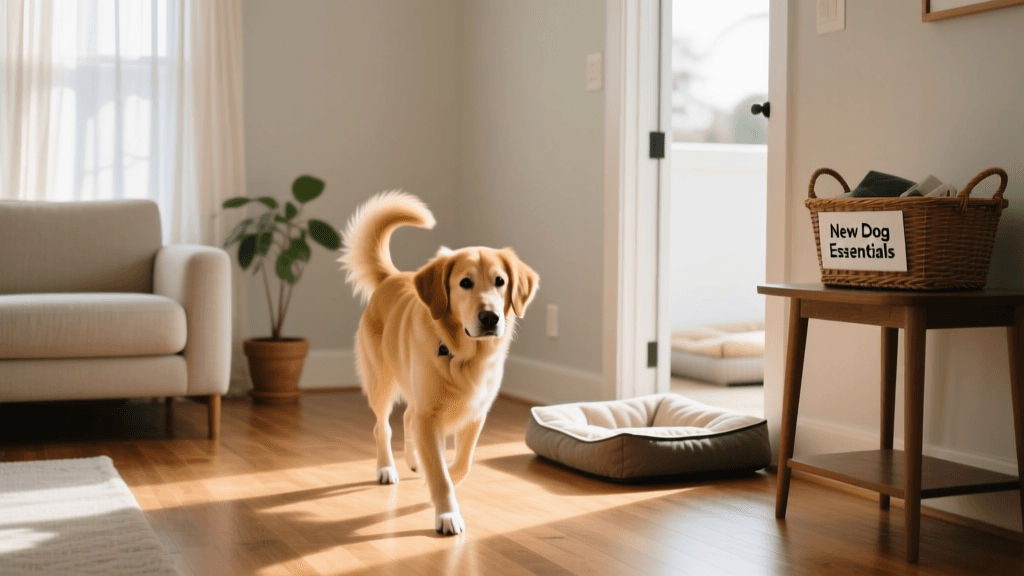
Bringing a new dog home is a milestone filled with joy, anticipation, and, inevitably, a few unexpected challenges. While picking out adorable collars and stocking up on treats is the fun part of getting a dog, the true foundation of a successful transition lies in properly preparing your living space. Unfortunately, many well-intentioned new dog owners fall into common traps that can lead to destroyed property, behavioral issues, and unnecessary financial strain.
Whether you are adopting a rescue or bringing home a purebred puppy, avoiding critical home preparation errors is essential. In this guide, we will explore the most common mistakes new dog owners make when preparing their homes and provide actionable, specific advice to ensure your first days together are safe and stress-free.
Mistake 1: Buying the Wrong Size Crate
One of the most frequent and costly mistakes is purchasing a crate that is too large for a puppy, assuming they will "grow into it." While a large crate might seem more comfortable, it actually undermines the den instinct that makes crate training effective. Dogs naturally avoid soiling their immediate sleeping area. If a crate is too big, a puppy will designate one corner for sleeping and the opposite corner for a bathroom, completely defeating the purpose of the crate.
The Fix: Purchase a wire crate, such as the popular MidWest Homes for Pets iCrate, that includes an adjustable divider panel. The correct measurement requires your dog to be able to stand up without their head touching the top, turn around comfortably, and lie down stretched out. For a growing puppy, measure their expected adult length (from the tip of the nose to the base of the tail) and add 4 inches. Use the divider to limit the space to their current size, expanding it only as they grow. According to the American Kennel Club (AKC), proper crate sizing is the cornerstone of successful housebreaking and anxiety prevention.
Mistake 2: Ignoring Puppy-Proofing at Dog's Eye Level
Many owners puppy-proof their homes from a standing adult's perspective, completely missing the hazards that exist at ground level. Electrical cords, dropped medications, toxic cleaning supplies, and small choking hazards like coins or children's toys are often left within easy reach of an inquisitive snout.
The Fix: Get down on your hands and knees to survey your home. Invest in PVC cable concealers to hide electrical wires, which can cause severe burns or electrocution if chewed. Use pressure-mounted baby gates, like the Regalo Easy Step Walk Thru Gate, to block access to high-risk areas like kitchens and stairwells. Furthermore, apply a bitter-tasting deterrent spray, such as Grannick's Bitter Apple, to baseboards and furniture legs to discourage destructive chewing. The Humane Society of the United States emphasizes that proactive environmental management is far more effective than punishing a dog after they have already ingested something dangerous.
Mistake 3: Overlooking Toxic Plants and Dangerous Mulches
Your indoor houseplants and outdoor landscaping might be aesthetically pleasing, but they can harbor severe, sometimes fatal, risks for a new dog. Many new owners are entirely unaware that common flora can cause acute kidney failure or liver damage.
The Fix: Audit your home and yard against the ASPCA's Toxic and Non-Toxic Plants list. Common indoor offenders include the Sago Palm, Peace Lily, and Pothos. Outdoors, avoid using cocoa bean mulch in your garden beds. Cocoa mulch smells like chocolate due to the presence of theobromine, which is highly toxic to dogs and can cause seizures or death if ingested. Swap these out for dog-safe alternatives like cedar or pine bark mulch, and elevate your indoor plants using hanging planters or tall, sturdy shelving units.
Mistake 4: Skipping the "Decompression" Space
Bringing a new dog home and immediately introducing them to the entire house, the whole family, and neighboring pets is a recipe for sensory overload. This mistake often triggers fear-based aggression, excessive barking, or house-soiling due to stress.
The Fix: Implement the "3-3-3 Rule" of dog adoption: 3 days of decompression, 3 weeks of learning your routine, and 3 months of feeling at home. Before day one, set up a dedicated decompression room—a quiet guest bedroom or a gated-off living room corner. Equip this space with a white noise machine to muffle household sounds, an Adaptil pheromone diffuser to promote calmness, and their crate. Allow the dog to decompress in this limited space for the first 48 to 72 hours, bringing them out only for leashed potty breaks and short, low-stakes training sessions.
Mistake 5: Overbuying Cheap Toys and Plush Beds
It is tempting to buy an armful of inexpensive plush beds and squeaky toys from the local bargain bin. However, these items are quickly destroyed by a dog's powerful jaws, creating severe choking hazards and intestinal blockage risks. Repeatedly replacing destroyed beds also drains your wallet.
The Fix: Invest in durability and safety. For chewing, stick to solid rubber options like the Kong Classic (red or black, depending on chew strength) or Nylabone Power Chew dental bones. When it comes to bedding, match the bed type to your dog's specific needs and life stage. Below is a comparison to help you budget effectively:
| Bed Type | Average Cost | Durability | Best Suited For |
|---|---|---|---|
| Standard Plush Donut | $25 - $45 | Low | Senior, gentle dogs who do not chew |
| Elevated Cot (e.g., Coolaroo) | $30 - $60 | High | Puppies, aggressive chewers, hot climates |
| Orthopedic Memory Foam | $80 - $160 | Medium | Large breeds, seniors with joint pain |
| Chew-Proof PVC (e.g., Kuranda) | $130 - $260 | Very High | Destructive chewers, crate training |
Mistake 6: Failing to Establish a Potty Zone Before Day One
Waiting until the dog is already inside to figure out where they should go to the bathroom leads to immediate accidents on your rugs. Dogs develop surface preferences early on; if their first instinct is to relieve themselves on a soft indoor carpet, breaking that habit will be an uphill battle.
The Fix: Designate a specific outdoor potty zone before the dog arrives. If you live in an apartment or have limited grass, consider installing a patch of pet-safe artificial turf on a balcony or patio. Stock up on an enzymatic cleaner like Nature's Miracle Advanced Stain and Odor Eliminator. Unlike standard household cleaners that merely mask odors, enzymatic cleaners break down the uric acid crystals, completely removing the scent markers that prompt dogs to re-soil the same indoor spot.
Mistake 7: Neglecting Microchip and ID Tag Preparation
Many owners wait weeks to register their dog's microchip or order an ID tag, assuming their new pet will stay safely indoors. Statistics show that a significant percentage of dogs slip out of open doors or jump fences during the chaotic first week in a new home.
The Fix: Have a temporary ID tag engraved at a local pet store on day one, featuring your mobile number and the dog's new name. If your dog arrives with a microchip, immediately log into the registry database (such as HomeAgain or Petlink) and update the contact information. A microchip is useless if it points back to a previous owner or a shelter that is closed for the weekend.
Final Thoughts on Setting Your Dog Up for Success
Preparing your home for a new dog requires foresight, patience, and a willingness to invest in the right tools from the start. By avoiding these common mistakes—ranging from improper crate sizing to ignoring toxic landscaping hazards—you protect your property and, more importantly, safeguard the health and well-being of your new best friend. Take the time to puppy-proof, establish routines, and create a safe sanctuary, and you will lay the groundwork for a lifetime of happiness with your new canine companion.
tom-renshaw
All our authors care for dogs every day — read more of their work on the authors page.