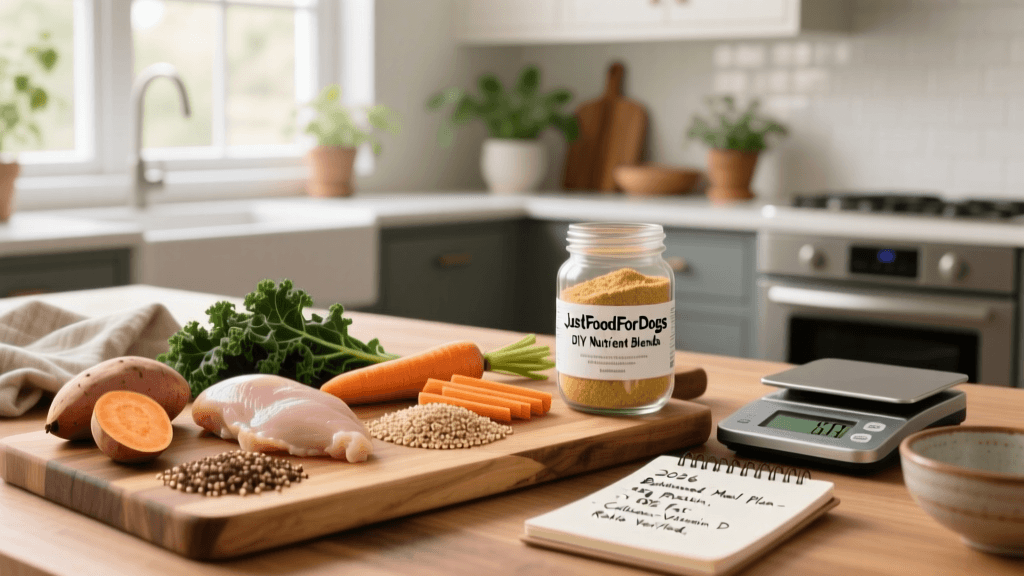
Home-Cooked Dog Diets: Using JustFoodForDogs Nutrient Blends in 2026
Learn how to safely balance home-cooked dog meals in 2026 using JustFoodForDogs DIY Nutrient Blends, with recipes, costs, and expert veterinary tips.
The 2026 Shift Toward Gently Cooked Fresh Diets
As we navigate through 2026, the landscape of canine nutrition continues to evolve rapidly. Pet parents are increasingly moving away from ultra-processed kibble, seeking out whole-food alternatives that promote longevity, better digestion, and shinier coats. However, the rising costs of premium commercial fresh food delivery services—which now average between $9 and $14 per day for a medium-sized dog in 2026—have led many owners to explore a more economical alternative: home-cooked fresh diets. While cooking for your dog at home offers unparalleled control over ingredient quality, it also presents a massive nutritional pitfall if not properly balanced. This is where scientifically formulated DIY nutrient blends, specifically those from JustFoodForDogs, have become an essential tool for modern dog owners.
The Hidden Dangers of Unsupplemented Home-Cooked Meals
A common misconception among well-meaning pet owners is that feeding a dog a "natural" diet of boiled chicken breast, white rice, and a few carrots is inherently healthy. While this bland diet is excellent for short-term gastrointestinal upset, it is catastrophically deficient for long-term feeding. According to experts at the Tufts University Cummings Veterinary Medical Center, the vast majority of home-prepared diets lack essential micronutrients, leading to severe health issues over time.
The most critical issue is the calcium-to-phosphorus ratio. Meat is extremely high in phosphorus and virtually devoid of calcium. Without a precise calcium supplement (like bone meal or calcium carbonate), a dog's body will leach calcium from its own bones to maintain blood calcium levels, leading to metabolic bone disease, dental issues, and organ dysfunction. Furthermore, home-cooked meals often lack adequate levels of taurine, zinc, copper, vitamin E, and essential omega-3 fatty acids. Formulating a balanced diet from scratch requires complex calculations and the use of unpalatable synthetic powders, which is why pre-measured, vet-approved nutrient blends have surged in popularity.
Spotlight: JustFoodForDogs DIY Nutrient Blends
JustFoodForDogs (JFFD) has long been a pioneer in the fresh food space, but their DIY Nutrient Blends are what make home-cooking accessible and safe for the average pet owner in 2026. These blends are formulated by board-certified veterinary nutritionists to meet or exceed the AAFCO (Association of American Feed Control Officials) nutrient profiles for all life stages.
The concept is simple: you purchase human-grade proteins, carbohydrates, and vegetables from your local grocery store or butcher, gently cook them, and stir in the JFFD Nutrient Blend powder. The powder contains the exact proprietary mix of calcium, vitamins, minerals, and amino acids required to turn your everyday ingredients into a complete and balanced meal.
The 2026 Blend Lineup
- Daily Health Nutrient Blend: The standard formula for adult dogs with no specific health conditions. Ideal for maintenance and general vitality.
- Joint & Skin Support Blend: Fortified with glucosamine, chondroitin, and higher levels of EPA/DHA from fish oil. Perfect for senior dogs, large breeds, or active working dogs.
- Sensitive Stomach Blend: Designed to be used with novel or easily digestible proteins like turkey or white fish, featuring added prebiotics and digestive enzymes.
Step-by-Step: Formulating a Balanced 2026 Recipe
Creating a balanced meal requires adherence to specific macronutrient ratios. Here is how to select your ingredients to pair with your JFFD Nutrient Blend.
1. Selecting Your Proteins
Protein should make up the bulk of the meal by weight. In 2026, sourcing human-grade, ethically raised meats is easier than ever. Chicken thighs, lean ground turkey, and 90/10 ground beef are excellent, cost-effective choices. Organ meats (like chicken liver) are often included in small amounts (no more than 5% of the total protein weight) to provide natural vitamin A and iron, though the nutrient blend covers the baseline requirements.
2. Choosing Carbohydrates and Vegetables
While dogs do not have a strict biological requirement for carbohydrates, they provide essential dietary fiber, phytonutrients, and energy. Sweet potatoes, brown rice, quinoa, and oats are excellent staple carbs. For vegetables, spinach, green beans, zucchini, and broccoli offer fantastic antioxidant profiles. Always lightly steam or boil vegetables to break down the cellular walls, making the nutrients bioavailable to your dog's digestive system.
3. The Crucial Addition of Healthy Fats
The JFFD blends require the addition of a specific fat source to ensure the absorption of fat-soluble vitamins (A, D, E, and K). Depending on the recipe, you will typically add a measured amount of safflower oil, flaxseed oil, or high-quality fish oil after the food has cooled to preserve the delicate omega fatty acids.
Sample Recipe: Chicken, Sweet Potato, and Spinach Blend
Below is a sample daily ration for a moderately active 50-pound adult dog, utilizing the JFFD Daily Health Nutrient Blend. Always check the specific feeding chart on your blend's packaging, as requirements vary by caloric density.
- Protein: 12 oz (340g) boneless, skinless chicken thighs (raw weight)
- Carbohydrate: 8 oz (225g) sweet potato, cubed
- Vegetable: 4 oz (113g) fresh spinach, chopped
- Fat: 1.5 tablespoons safflower oil
- Supplement: 1.5 scoops (approx. 18g) JustFoodForDogs Daily Health Nutrient Blend
Preparation: Boil or bake the chicken and sweet potatoes until fully cooked. Steam the spinach until wilted. Chop or process the ingredients to your dog's preferred texture. Allow the food to cool to room temperature, then thoroughly mix in the safflower oil and the nutrient blend powder. Store in airtight containers in the refrigerator for up to four days, or freeze in daily portions.
2026 Cost Analysis: Commercial Fresh Food vs. DIY Blend Meals
One of the primary drivers for the DIY fresh food movement in 2026 is economic efficiency. Below is a comparative breakdown of monthly feeding costs for a 50-pound dog.
| Diet Type | Estimated Monthly Cost (2026) | Prep Time Required | Nutritional Guarantee |
|---|---|---|---|
| Premium Commercial Kibble | $85 - $120 | None (Scoop & Serve) | AAFCO Compliant |
| Subscription Fresh Food Delivery | $280 - $380 | Minimal (Thaw & Serve) | AAFCO Compliant |
| DIY Home-Cooked (with JFFD Blend) | $160 - $210 | 2-3 Hours Weekly (Batch Cooking) | AAFCO Compliant |
| Unsupplemented Home-Cooked | $140 - $180 | 1-2 Hours Weekly | Severe Deficiencies |
By utilizing a DIY nutrient blend and sourcing ingredients from local butchers and seasonal grocery sales, owners can cut their fresh-food budget by nearly 50% compared to commercial delivery services, without sacrificing an ounce of nutritional integrity.
Sourcing Ingredients and Food Safety
When cooking for your dog, treat the ingredients with the same respect you would for your own meals. In 2026, many local butcher shops offer "pet grind" or trimmings that are perfectly safe and human-grade but sold at a fraction of the cost of supermarket cuts. However, you must practice strict food safety. Always wash your hands, sanitize cutting boards, and store raw meats on the bottom shelf of your refrigerator to prevent cross-contamination. Because home-cooked diets lack the heavy chemical preservatives found in kibble, strict adherence to refrigeration timelines (3-4 days max) is non-negotiable to prevent bacterial growth.
Veterinary Perspectives and WSAVA Compliance
While fresh food advocates champion the benefits of whole ingredients, the veterinary community urges caution and scientific rigor. The World Small Animal Veterinary Association (WSAVA) emphasizes that any diet fed long-term must be rigorously tested and formulated by qualified veterinary nutritionists. Using a reputable blend like JustFoodForDogs satisfies this requirement, as their formulations undergo extensive feeding trials and nutrient analysis.
Furthermore, the American Kennel Club (AKC) advises that dogs on home-prepared diets should undergo bi-annual veterinary check-ups, including comprehensive blood panels, to monitor organ function and ensure no subclinical deficiencies are developing. This proactive approach ensures your dog thrives on their custom diet.
Transitioning Your Dog Safely
Suddenly switching a dog from kibble to a high-moisture, fresh-food diet can cause gastrointestinal distress, including loose stools and flatulence. To mitigate this, implement a gradual 10-day transition schedule:
- Days 1-3: 25% fresh DIY blend diet / 75% current kibble
- Days 4-6: 50% fresh DIY blend diet / 50% current kibble
- Days 7-9: 75% fresh DIY blend diet / 25% current kibble
- Day 10: 100% fresh DIY blend diet
If your dog experiences mild diarrhea during the transition, slow down the process and consider adding a high-quality canine probiotic or a spoonful of plain, unsweetened pumpkin puree to help firm up the stool.
Conclusion
Feeding a home-cooked diet in 2026 no longer requires a degree in animal nutrition or a massive financial investment. By leveraging scientifically formulated DIY nutrient blends like those from JustFoodForDogs, you can provide your dog with the immense health benefits of whole, fresh foods while guaranteeing they receive every essential vitamin and mineral they need to thrive. With careful ingredient sourcing, proper food safety protocols, and regular veterinary monitoring, a balanced home-cooked diet is one of the greatest gifts you can give your canine companion.
priya-sutaria
All our authors care for dogs every day — read more of their work on the authors page.