Holistic Scent Work Training for Reactive Dog Focus in 2026
Discover how holistic scent work training reduces reactivity and builds focus in dogs. Explore 2026 techniques, natural aids, and step-by-step exercises.
The Evolution of Holistic Dog Training in 2026
As we navigate the landscape of canine behavioral conditioning in 2026, the shift toward natural and holistic approaches has fundamentally transformed how we address reactivity, anxiety, and focus issues in dogs. Traditional obedience training often relies heavily on mechanical repetition and external motivators, which can sometimes mask underlying emotional distress rather than resolving it. Holistic training, by contrast, seeks to engage the dog's innate biological drives and nervous system regulation to foster genuine, lasting behavioral change. One of the most powerful, yet underutilized, tools in the holistic behaviorist's arsenal is scent work.
Scent work, or nose work, is not merely a competitive sport; it is a profound therapeutic modality for dogs struggling with environmental reactivity. By tapping into a dog's primary sensory interface with the world, we can bypass the fight-or-flight response and engage the cognitive, problem-solving centers of the brain. This comprehensive guide will explore how to implement holistic scent work training to build focus, reduce reactivity, and cultivate a deeper, more natural bond with your canine companion.
The Science of Olfaction and Canine Calmness
To understand why scent work is so effective for reactive dogs, we must first look at canine anatomy. A dog's olfactory system is a biological marvel, possessing up to 300 million olfactory receptors compared to a human's mere six million. Furthermore, the olfactory bulb in a dog's brain is proportionally 40 times larger than ours. When a dog engages in deep, sustained sniffing, it is not just gathering information; it is undergoing a physiological shift.
According to experts at the National Association of Canine Scent Work, the act of sniffing naturally lowers a dog's heart rate and blood pressure. Unlike visual stimulation, which can trigger sudden arousal or reactivity (such as seeing another dog or a fast-moving vehicle), olfactory processing requires sustained, methodical concentration. This deep sniffing stimulates the parasympathetic nervous system, promoting a state of 'rest and digest' that is entirely antithetical to the hyper-vigilance seen in reactive dogs.
Why Scent Work is a Game-Changer for Reactivity
Reactivity is rarely about disobedience; it is almost always rooted in fear, frustration, or sensory overstimulation. When a reactive dog spots a trigger, their amygdala hijacks their nervous system, making traditional obedience cues like 'sit' or 'look at me' nearly impossible to process. Holistic scent work offers a natural bridge out of this emotional hijacking.
By presenting a highly engaging, natural scent puzzle, you force the dog's brain to shift activity from the emotional amygdala to the olfactory cortex and the prefrontal cortex. You are essentially giving the dog a biologically appropriate job that requires them to think rather than react. Over time, this builds profound environmental confidence. A dog that learns to hunt for scent in novel, distracting environments learns that the world is a place of interesting puzzles rather than unpredictable threats. For more foundational strategies on managing reactivity, the AKC Expert Advice on Reactive Dog Training provides excellent baseline management protocols that pair beautifully with scent work.
Essential Gear for Holistic Nose Work in 2026
A core tenet of holistic training is the use of non-toxic, natural, and environmentally conscious materials. In 2026, we move away from synthetic plastic toys and artificial sprays, opting instead for pure, biodegradable, and species-appropriate gear. Below is a comparison of the essential tools required to begin a holistic scent work journey.
| Item | Purpose | Holistic Benefit |
|---|---|---|
| Organic Birch Essential Oil | Target Scent | Pure, plant-derived odor without synthetic chemical carriers. |
| Unbleached Cotton Swabs | Scent Vessel | Chemical-free, biodegradable, and holds odor naturally. |
| Recycled Cardboard Boxes | Search Containers | Eco-friendly, provides natural texture, and easily replaced. |
| Freeze-Dried Beef Liver | Primary Reinforcer | Single-ingredient, species-appropriate, high-value natural reward. |
| L-Theanine & Chamomile Chews | Pre-Training Calming | Natural adaptogens to lower baseline cortisol before sessions. |
Step-by-Step Holistic Scent Training Protocol
Implementing scent work for a reactive dog requires patience, observation, and a commitment to letting the dog lead the pace. The goal is never to force compliance, but to cultivate an innate desire to search. The AKC Scent Work guidelines provide a fantastic framework that can be adapted for holistic behavioral rehabilitation.
Phase 1: Natural Scent Imprinting
Imprinting is the process of teaching the dog that a specific odor predicts a high-value reward. In a holistic framework, we use pure essential oils like Birch, Anise, or Clove. Place a single drop of organic Birch oil on an unbleached cotton swab and place it inside a small, ventilated tin.
Begin in a low-distraction, familiar room. Present the tin to your dog. The moment they show any interest—sniffing, looking, or nudging—mark the behavior with a gentle, calm 'yes' and immediately offer a piece of freeze-dried liver right next to the tin. We do not use loud clickers or high-pitched excitement, as these can overstimulate a reactive dog. Keep your energy grounded and calm. Repeat this until the dog actively seeks out the tin, understanding that the natural scent of Birch is the key to unlocking their reward.
Phase 2: Environmental Enrichment and Searching
Once the dog reliably searches for the scent in a single tin, it is time to introduce the 'Find It' cue and expand the search area. For a reactive dog, moving to the outdoors must be done incrementally. Start in a fenced, private yard or a quiet, familiar park during off-peak hours.
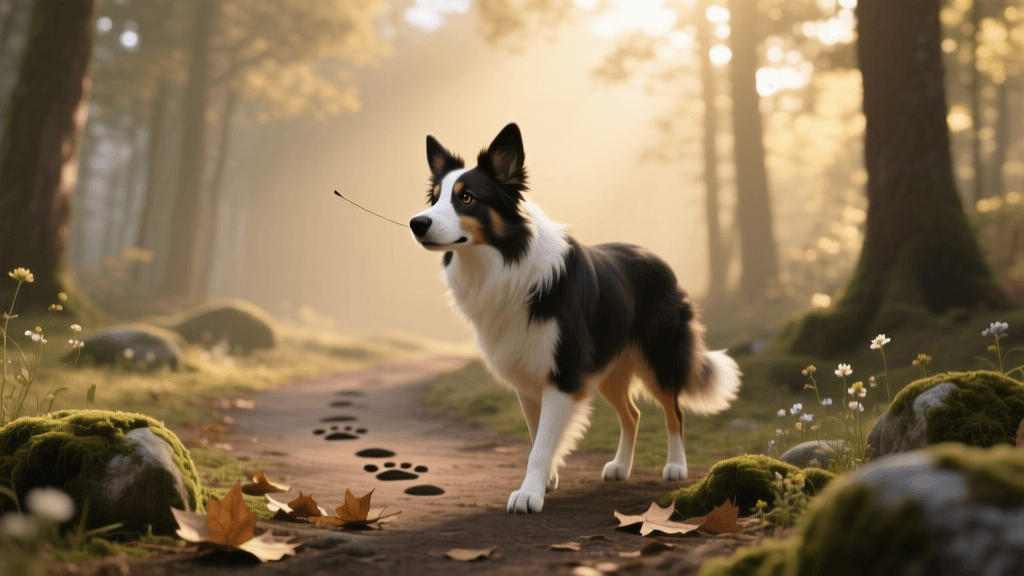
Hide the scented swab in natural terrain: tucked under a pile of autumn leaves, nestled in tall grass, or wedged in the bark of a tree. This engages the dog's natural foraging instincts. As the dog works the 'scent cone' (the invisible plume of odor carried by the wind), observe their natural body language. You will see their breathing change, their tail set shift, and their ears flick as they triangulate the source. When they find it, reward heavily. This natural hunting sequence releases dopamine and endorphins, creating a positive emotional anchor to the outdoor environment.
Integrating Herbal Adaptogens and Calming Signals
Holistic training recognizes that the mind and body are inextricably linked. A dog with a dysregulated nervous system will struggle to learn, regardless of the training method. In 2026, the integration of herbal adaptogens has become a standard adjunct to behavioral conditioning.
Administering a high-quality, veterinarian-approved L-Theanine and Chamomile chew approximately 45 minutes before a scent work session can help lower baseline cortisol levels, making the dog more receptive to learning. L-Theanine, an amino acid naturally found in green tea, promotes alpha-brain wave activity, inducing a state of relaxed alertness. This is the exact mental state required for precise scent discrimination.
Additionally, incorporate canine massage or Tellington TTouch techniques before beginning your search. Gently tracing circles along the dog's spine and massaging the base of the ears stimulates the vagus nerve, further activating the parasympathetic nervous system. By preparing the dog's body holistically, you set the stage for a successful, stress-free training session.
Common Mistakes to Avoid in Holistic Scent Work
When transitioning from traditional obedience to holistic scent work, handlers often bring old habits that can hinder progress. Avoid these common pitfalls:
- Rushing the Search: Do not point to the hide or guide the dog. Let them use their nose. Frustration is a natural part of problem-solving, but intervening too quickly robs the dog of the confidence-building experience of solving the puzzle independently.
- Using Synthetic Scents: Avoid commercial 'scent sprays' that contain artificial propellants or alcohol bases. These can irritate a dog's sensitive nasal passages and disrupt the natural odor picture.
- Correcting the Dog: Scent work is a zero-correction zone. If the dog misses the hide, they simply haven't found it yet. Gently reset them and make the next search easier. Punishment or verbal correction has no place in holistic nose work and will only increase anxiety.
- Overtraining: Scent work is mentally exhausting. A 10 to 15-minute session is more than enough for a reactive dog. End the session while the dog is still eager and motivated, leaving them craving the next hunt.
Conclusion: A Natural Path to a Focused Canine
Holistic scent work is far more than a clever trick or a weekend hobby; it is a profound behavioral intervention that respects the dog's biological design. By leveraging the natural calming power of olfaction, utilizing non-toxic gear, and supporting the nervous system with adaptogens and mindful handling, we can help reactive dogs find their focus and peace in a chaotic world. As you embark on this journey in 2026, remember that the goal is not just a dog that obeys, but a dog that is emotionally balanced, deeply engaged, and thriving in their natural environment.
priya-sutaria
All our authors care for dogs every day — read more of their work on the authors page.