2026 Departure Desensitization Protocol: Frozen Kongs & Lick Mats
Master the 2026 departure desensitization protocol to cure canine separation anxiety using frozen Kongs, lick mats, and smart home monitoring.
The 2026 Landscape of Canine Separation Anxiety
As we navigate through 2026, veterinary behaviorists are noting a significant shift in canine separation anxiety cases. The generation of dogs adopted during the remote-work boom of the early 2020s are now entering their middle and senior years. For these dogs, the sudden shift to hybrid or full-time office work schedules has triggered profound distress. According to the ASPCA's guide on separation anxiety, this condition is not merely bad behavior but a genuine panic disorder triggered by specific environmental cues. Dogs experiencing this do not act out of spite; they are experiencing a severe fight-or-flight response because their primary attachment figure has left their perceived safe zone.
Treating this requires more than simply leaving the television on or purchasing a calming bed. It requires a systematic, science-backed approach known as Systematic Desensitization and Counterconditioning (SDCC). In 2026, the most effective SDCC protocols combine behavioral threshold training with high-value, long-lasting enrichment tools like frozen Kongs and specialized lick mats, alongside modern smart home monitoring. This comprehensive guide will walk you through the exact departure desensitization protocol used by top certified dog trainers this year.
The Science of Departure Cues and Classical Conditioning
Before we can fix the anxiety, we must understand the trigger. Dogs are masters of associative learning. If your dog has separation anxiety, they have likely formed a Pavlovian response to your pre-departure routine. The sound of keys jingling, the squeak of a closet door, the smell of your work shoes, or the act of picking up your travel mug are all 'departure cues'. For a dog with separation anxiety, these cues predict the terrifying event of being left alone, causing their cortisol levels to spike before you have even touched the doorknob.
The American Kennel Club (AKC) emphasizes that punishing a dog for anxiety-driven behaviors like howling or destructive chewing will only exacerbate the panic. Instead, the 2026 protocol focuses on 'decoupling' these triggers. We must teach the dog's brain that jingling keys or putting on shoes no longer guarantees that you are leaving, and when you do leave, it predicts the arrival of a high-value frozen treat rather than isolation and fear.
Essential Enrichment Gear for the 2026 Protocol
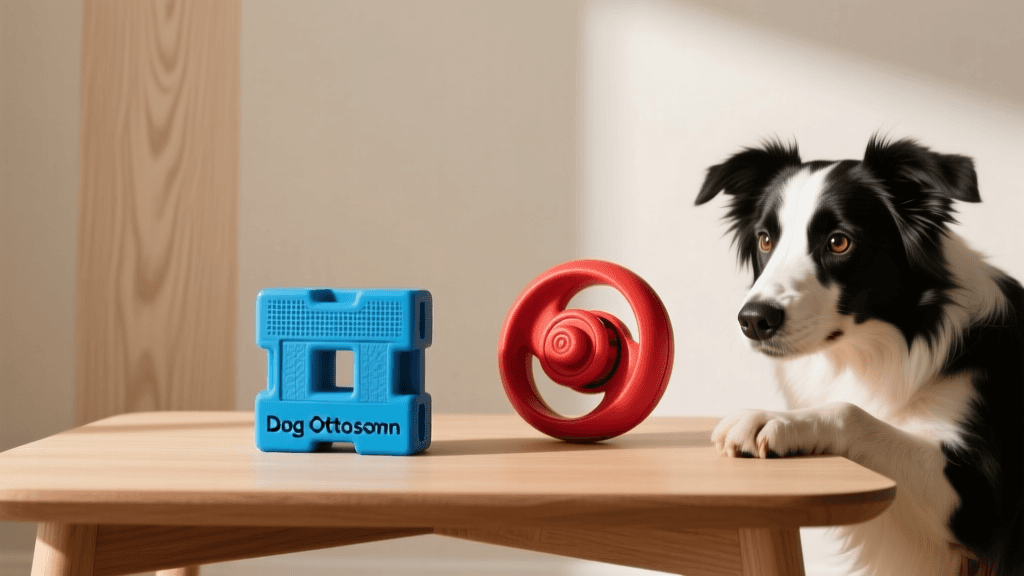
To successfully countercondition your dog, you need tools that keep them engaged for 20 to 45 minutes. Licking and chewing are naturally soothing behaviors for dogs, releasing endorphins that help lower their heart rate. Below is a comparison of the top three enrichment tools recommended by behaviorists in 2026 for departure training.
| Enrichment Tool | Best For | Freeze Time | 2026 Avg Price |
|---|---|---|---|
| KONG Classic (Red/Black) | Heavy Chewers & Power Eaters | 4 to 6 Hours | $18.00 |
| West Paw Toppl | Moderate Chewers & Food Motivation | 2 to 4 Hours | $26.00 |
| Hyper Pet IQ Treat Mat | Licking, Anxiety Relief & Seniors | 1 to 2 Hours | $15.00 |
Pro-Tip for 2026: Do not use standard kibble for these departure sessions. The value of the food must be exceptionally high to override the dog's panic. Use a base of plain Greek yogurt, pumpkin puree, or low-sodium bone broth, mixed with your dog's favorite protein, and freeze it solid overnight.
Phase 1: Decoupling the Triggers (Weeks 1 and 2)
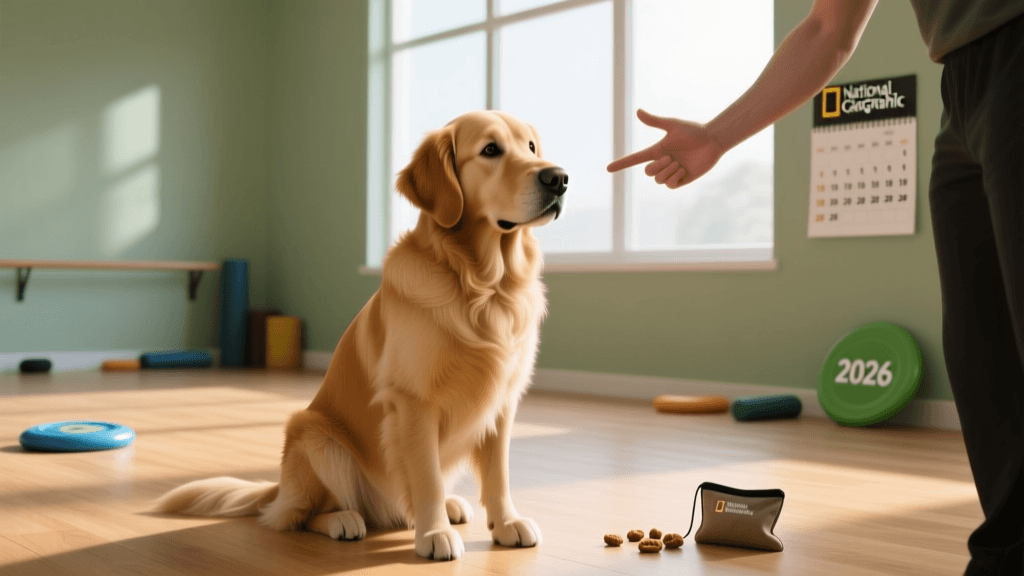
The first phase of the protocol involves completely removing the predictive value of your departure cues. During this phase, you will not actually leave the house for any extended periods. You are simply rewiring your dog's associations.
Step 1: The Key Jingling Exercise
Pick up your car keys and jingle them. Then, sit down on the couch and watch television. Do this 10 to 15 times a day. Initially, your dog may run to the door or pace anxiously. Ignore the pacing. Eventually, your dog will realize that the sound of the keys does not result in you leaving, and they will stop reacting. Once they show zero reaction to the keys, move to the next trigger.
Step 2: The Shoe and Coat Routine
Put on your work shoes and your winter coat. Then, sit down at your desk and open your laptop, or sit on the floor and play with your dog. Wear your shoes around the house while doing chores. By randomizing these actions, you break the chain of events that leads to the dog's panic response.
Phase 2: The Threshold Game (Weeks 3 and 4)
Once your dog is completely bored by your keys, shoes, and coat, you can begin working at the threshold (the front door). This phase requires immense patience. If your dog shows any signs of stress (panting, pacing, whining, lip licking), you have moved too fast and must take a step back.
- Level 1: Walk to the front door and touch the handle. Do not turn it. Walk away and sit down. Repeat 20 times.
- Level 2: Turn the handle, but do not open the door. Walk away. Repeat 20 times.
- Level 3: Open the door one inch, then close it. Walk away. Repeat 20 times.
- Level 4: Open the door, step one foot outside, immediately step back inside, and close the door. Do not say goodbye or hello. Simply walk away and sit down.
The goal here is to make the act of leaving so boring and repetitive that the dog no longer perceives it as a threat. You are teaching them that the door opening and closing is just a normal, non-event part of the household rhythm.
Phase 3: Micro-Absences and Smart Monitoring (Weeks 5 to 8)
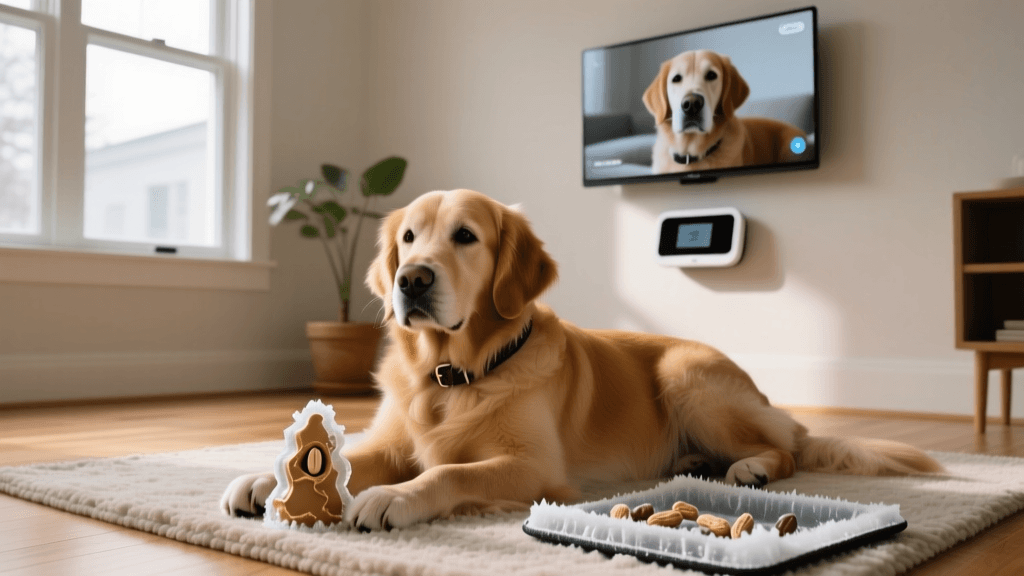
This is where we introduce the frozen enrichment tools and smart home technology. In 2026, affordable, high-definition smart cameras are an absolute necessity for separation anxiety training. You cannot fix what you cannot see. Devices like the Wyze Cam v4 (averaging $35) or the Furbo 360 Dog Camera (averaging $199) allow you to monitor your dog's body language in real-time from your smartphone.
The Departure Sequence
- Prepare your frozen KONG or lick mat 10 minutes before your practice departure.
- Give the frozen treat to your dog in their designated safe space (a crate or a gated pen). Let them engage with it for 5 minutes while you are still in the house.
- Perform your neutralized departure cues (put on shoes, grab keys).
- Walk out the door, close it, and lock it.
- Immediately pull up your camera feed on your phone.
Timing the Micro-Absences
Your first absence should be incredibly short—just 30 seconds. Watch the camera. If your dog is happily licking the mat and ignores the door closing, wait 30 seconds, then re-enter calmly. Do not greet the dog enthusiastically. Simply walk back in, sit down, and let them finish their treat.
Gradually increase the time: 1 minute, 3 minutes, 5 minutes, 10 minutes, and eventually 30 minutes. The frozen KONG or lick mat serves as a 'counter-conditioner'. The dog begins to think: 'When my human leaves, I get the magical frozen peanut butter toy. I hope they leave!'
Leveraging 2026 Smart Home Tech for Anxiety
Modern smart cameras do more than just record video; they actively assist in the training process. The Furbo 360, for instance, features a treat-tossing function and 'dog activity alerts'. If you are at work and your camera notifies you that your dog is beginning to pace or vocalize, you can use the two-way audio to calmly speak to them, or toss a treat to redirect their focus back to their mat.
However, a critical warning from veterinary behaviorists: do not use two-way audio if it confuses or frustrates your dog. Some dogs will frantically search the house for the source of the voice, which can increase anxiety. Test your dog's reaction to the camera's speaker during a micro-absence before relying on it during a full workday.
Troubleshooting Common Setbacks
Recovery from separation anxiety is rarely a straight line. You will encounter setbacks, and knowing how to handle them is crucial for long-term success.
'If your dog breaks their stay, barks, or destroys the lick mat, you have pushed the duration too far, too fast. The threshold for learning has been breached. Immediately return to the last successful duration where the dog was relaxed, and build up more slowly.' - Certified Applied Animal Behaviorist
What if my dog refuses the frozen treat?
If your dog ignores the high-value frozen KONG when you leave, it is a primary indicator that their anxiety has already spiked past the threshold of appetite suppression. Dogs in a state of high panic will not eat. This means your departure sequence was too predictable, or your previous micro-absences were too long. Scale back your time away to just 10 seconds and rebuild the positive association with the food.
What if my dog barks the moment I close the door?
Do not re-enter the house while the dog is barking. If you enter while they are vocalizing, you reinforce the behavior. Wait for a brief moment of silence (even just three seconds), and then re-enter. Alternatively, you may have moved to Phase 3 before fully mastering Phase 2. Return to the Threshold Game and practice stepping out and back in without the dog reacting.
Conclusion: Patience and Consistency
Curing canine separation anxiety using the 2026 departure desensitization protocol is a marathon, not a sprint. By systematically decoupling departure cues, utilizing high-value frozen enrichment tools like the KONG Classic and Hyper Pet IQ Mat, and leveraging smart home monitoring to track your dog's stress levels, you can fundamentally change how your dog perceives being left alone. Remember to celebrate the small victories—a quiet departure, a relaxed posture on the camera, or a thoroughly cleaned lick mat. With consistency, patience, and a science-based approach, your dog can learn to feel safe, calm, and content even when you are not in the room.
robin-maitland
All our authors care for dogs every day — read more of their work on the authors page.