Holistic Puppy Prep 2026: Non-Toxic Home Setup Guide
Discover how to prepare a non-toxic, holistic sanctuary for your new puppy in 2026. Learn about natural bedding, safe cleaners, and chemical-free yards.
Welcome to Holistic Puppy Rearing in 2026
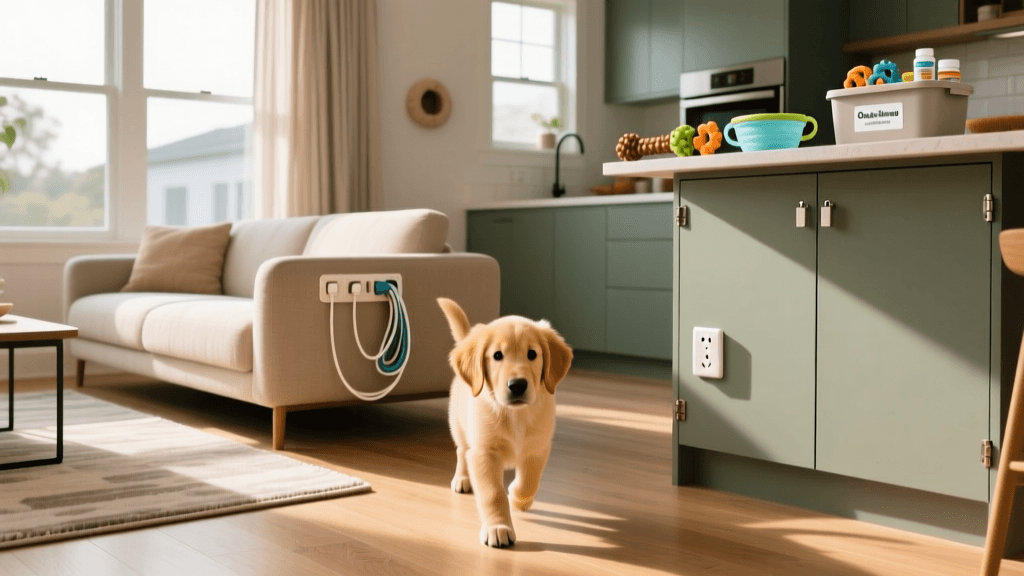
Bringing a new puppy into your home is one of life’s most rewarding milestones. However, as our understanding of canine health and environmental toxins has evolved, so too has the approach to preparing our living spaces. In 2026, the holistic approach to dog care has moved from a niche trend to a mainstream veterinary recommendation. Puppies are incredibly vulnerable to environmental stressors; their developing immune systems, rapid growth rates, and proximity to the floor make them highly susceptible to household chemicals, volatile organic compounds (VOCs), and synthetic materials.
Preparing a non-toxic, holistic sanctuary before your puppy arrives sets the foundation for a lifetime of vibrant health. By eliminating hidden hazards and embracing natural alternatives, you can drastically reduce your dog's toxic load and support their natural microbiome. This comprehensive guide will walk you through the essential steps to dog-proof and detoxify your home using natural, holistic methodologies.
1. Managing Indoor Air Quality and VOCs
Puppies spend the majority of their first few months exploring the world at floor level, which is exactly where heavy airborne toxins and particulate matter settle. According to the Environmental Protection Agency (EPA), indoor air can be significantly more polluted than outdoor air, largely due to VOCs off-gassing from synthetic furniture, paints, and cleaning supplies.
To create a holistic breathing environment for your new dog, start by auditing your air quality. In 2026, the gold standard for pet households is a True HEPA air purifier paired with an activated carbon filter. While HEPA captures dander and dust mites, the activated carbon is essential for adsorbing VOCs, formaldehyde, and synthetic fragrances. Avoid plug-in air fresheners, aerosol sprays, and scented candles, which often contain phthalates and artificial musks that can trigger canine respiratory distress or allergic reactions. Instead, simmer dog-safe botanicals like rosemary, sweet basil, and mint on your stove to naturally scent your home without compromising your puppy's olfactory health.
2. Upgrading Your Cleaning Arsenal
When a puppy has an accident on the rug, the instinct is to reach for heavy-duty chemical cleaners. However, conventional floor cleaners, bleach, and ammonia-based products leave behind toxic residues that are easily absorbed through your puppy’s paw pads or ingested when they groom themselves. The ASPCA Animal Poison Control frequently lists household cleaning agents among the top causes of pet toxicity and gastrointestinal distress.
Transition to plant-based, enzymatic cleaners. Enzymatic cleaners utilize natural bacteria and enzymes to literally digest organic matter, such as uric acid crystals in urine, rather than masking the odor with synthetic perfumes. For general floor mopping, opt for unscented, coconut-based surfactant cleaners or simple solutions of diluted white vinegar and water. If you prefer a scent, ensure any essential oils used are strictly dog-safe; avoid tea tree, eucalyptus, citrus, and pine oils, which are highly toxic to canines even in diffused amounts.
3. Creating a Non-Toxic Sleep Sanctuary
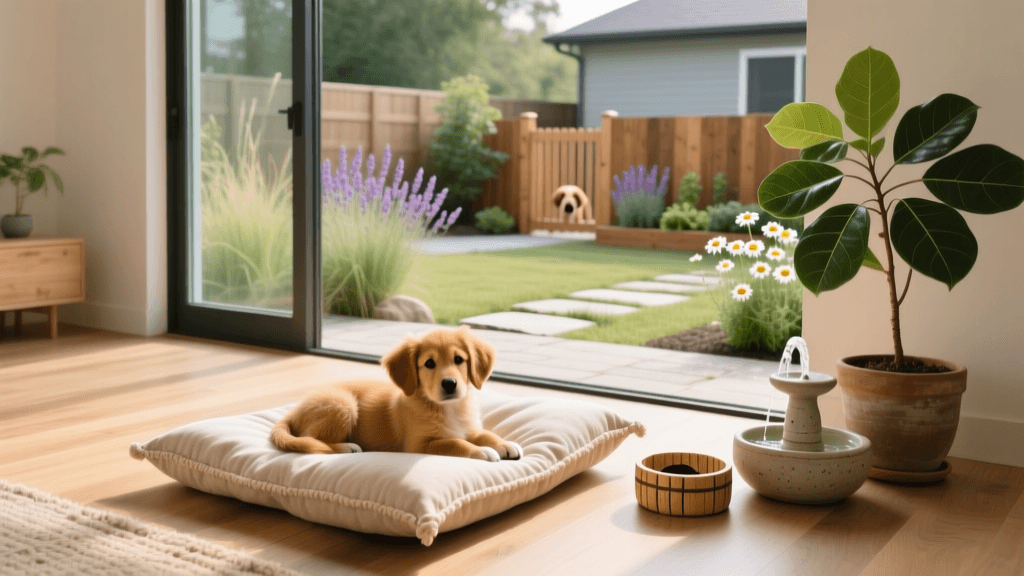
Your puppy will spend up to 18 hours a day sleeping, making their bed one of the most critical investments you will make. Historically, pet beds have been manufactured using polyurethane foams treated with chemical flame retardants and coated in PFAS (per- and polyfluoroalkyl substances) to resist stains. These 'forever chemicals' have been linked to endocrine disruption and immune suppression in dogs.
For a truly holistic sleep setup in 2026, seek out beds crafted from GOTS-certified organic cotton, hemp, or natural latex. Natural latex provides orthopedic support without the off-gassing associated with memory foam. For the filling, look for natural kapok fiber, organic wool, or buckwheat hulls. Wool is naturally temperature-regulating, antimicrobial, and acts as a natural flame retardant without the need for harsh chemical treatments. Wash all bedding in a fragrance-free, biodegradable laundry detergent to maintain the integrity of your puppy’s skin barrier.
4. Holistic Nutrition and Hydration Stations
The area where your puppy eats and drinks should be a sanctuary of health, free from microplastics and heavy metals. Ditch the plastic bowls immediately. Even BPA-free plastics can harbor microscopic scratches that breed bacteria and leach endocrine-disrupting chemicals into your dog's food and water, contributing to conditions like canine acne and systemic inflammation.
Invest in 18/8 food-grade stainless steel bowls or lead-free, kiln-fired ceramic bowls. When it comes to hydration, a puppy's developing kidneys benefit greatly from filtered water. Tap water often contains chlorine, chloramine, fluoride, and trace heavy metals. A reverse osmosis (RO) system or a high-quality solid carbon block filter will provide clean, pure water that supports optimal cellular hydration and kidney function. Pair this with a holistic, minimally processed diet—such as gently cooked, human-grade whole foods or high-pressure processed (HPP) raw diets—to nurture a robust gut microbiome from day one.
5. Chemical-Free Yard and Garden Prep
Your backyard is your puppy’s first playground, but it can also be a minefield of botanical and chemical hazards. Before bringing your dog home, cross-reference your garden with the ASPCA's Toxic and Non-Toxic Plants list. Remove highly toxic flora such as sago palms, oleander, azaleas, and lilies. Additionally, if you use mulch, strictly avoid cocoa bean mulch, which contains theobromine—the same toxic compound found in chocolate that can be fatal if ingested by a curious puppy.
Transition your lawn care to holistic, organic methods. Synthetic fertilizers and chemical herbicides like glyphosate are known carcinogens and disrupt the soil microbiome. Instead, top-dress your lawn with organic compost and use beneficial nematodes to naturally control flea and tick populations in the soil. Nematodes are microscopic, naturally occurring organisms that hunt flea larvae without harming your puppy, your family, or the local ecosystem. For garden borders, opt for untreated cedar mulch or pine straw, which naturally repel insects and are safe if accidentally chewed.
2026 Home Swap Comparison Chart
To make your holistic transition easier, refer to this quick-reference guide for swapping out conventional household items for non-toxic, puppy-safe alternatives.
| Household Item | Conventional / Toxic Risk | 2026 Holistic Alternative |
|---|---|---|
| Floor Cleaner | Bleach, Ammonia, Synthetic VOCs | Plant-based Enzymatic Cleaner or Diluted Vinegar |
| Dog Bed | Polyurethane Foam, PFAS Stain Guards | GOTS-Certified Organic Cotton & Natural Latex |
| Yard Flea Control | Synthetic Pesticides (e.g., Permethrin) | Beneficial Nematodes & Cedar Oil Sprays |
| Water Bowl | BPA/BPS Plastic (Leaches Microplastics) | 18/8 Stainless Steel or Lead-Free Ceramic |
| Air Freshener | Phthalates, Aerosol Propellants | HEPA Carbon Filter & Simmering Dog-Safe Herbs |
| Garden Mulch | Cocoa Bean Mulch (Contains Theobromine) | Untreated Cedar Mulch or Pine Straw |
Final Thoughts on Holistic Puppy Rearing
Adopting a natural and holistic approach to preparing your home is one of the most profound ways to show love and foresight for your new canine companion. By eliminating hidden toxins, prioritizing natural materials, and fostering a clean, biologically appropriate environment, you are giving your puppy the ultimate head start. The choices you make in 2026 regarding your home's air, water, and surfaces will echo throughout your dog's life, manifesting as a stronger immune system, healthier skin and coat, and a vibrant, joyful spirit. Welcome to the beautiful journey of holistic dog ownership!
tom-renshaw
All our authors care for dogs every day — read more of their work on the authors page.