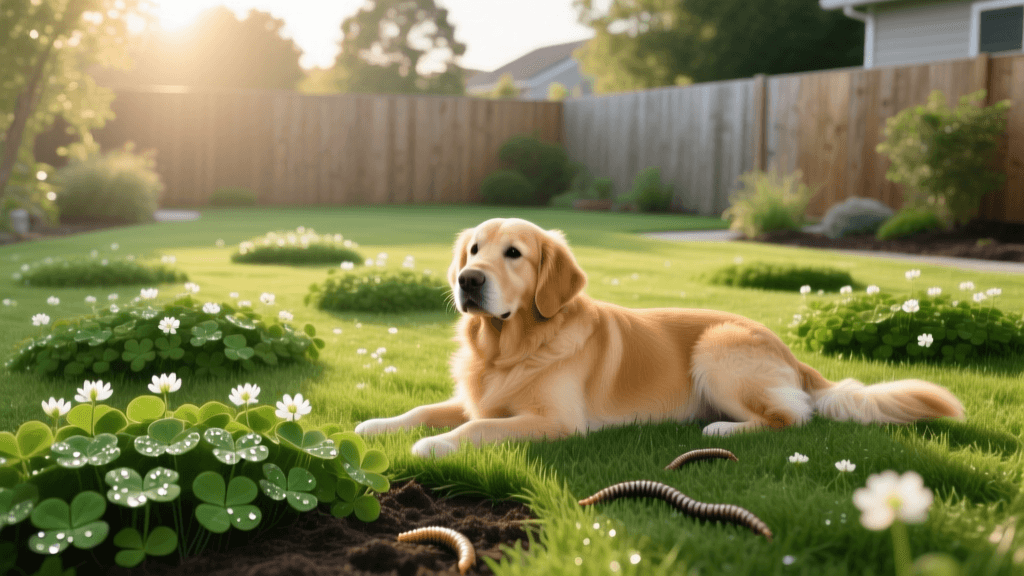
Holistic Dog Yard Care 2026: Nematodes And Clover Lawns
Discover how to maintain a lush, dog-safe yard in 2026 using beneficial nematodes and micro-clover lawns for natural, holistic flea and tick control.
The Shift Toward Holistic Yard Care in 2026
As we navigate through 2026, the conversation around canine wellness has expanded far beyond the food bowl and the veterinary clinic. Modern dog owners are increasingly recognizing that a truly holistic lifestyle encompasses the very ground their dogs walk, play, and roll on every single day. The traditional American lawn—often a monoculture of Kentucky bluegrass sustained by synthetic fertilizers and chemical pesticides—is rapidly being replaced by living, breathing ecosystems that prioritize the health of our pets and the environment. Sharing your life with a dog means creating a safe sanctuary, and adopting natural yard care methods is one of the most impactful decisions you can make for your pet's long-term vitality.
The Hidden Dangers of Synthetic Lawn Chemicals
For decades, the standard for a pristine yard involved a heavy reliance on synthetic herbicides, insecticides, and quick-release nitrogen fertilizers. However, holistic veterinarians and environmental scientists have thoroughly documented the risks these chemicals pose to our canine companions. Dogs absorb toxins not only through ingestion during grooming but also directly through their porous paw pads and skin. According to the ASPCA, exposure to common lawn care chemicals is a frequent contributor to contact dermatitis, respiratory irritation, and long-term systemic health issues in pets. By eliminating these synthetic inputs, you immediately reduce your dog's toxic load, supporting their immune system and natural microbiome.
The Micro-Clover Revolution for Dog Owners
If you are looking to overhaul your yard in 2026, micro-clover (Trifolium repens) is the undisputed champion of holistic groundcovers. Unlike traditional turfgrass, which goes dormant, turns brown, and requires constant chemical intervention to look presentable, micro-clover is a resilient, nitrogen-fixing legume. It pulls nitrogen directly from the atmosphere and deposits it into the soil, naturally fertilizing itself and any surrounding grasses without the need for synthetic additives.
Why Micro-Clover is Perfect for Dogs
- Urine Resistance: The high nitrogen content in dog urine typically burns and kills traditional grass, leaving unsightly yellow spots. Micro-clover, however, thrives on nitrogen and is highly resistant to urine burn, keeping your yard uniformly green.
- Drought Tolerance: With deeper root systems than standard turf, micro-clover requires significantly less watering, making it an eco-friendly choice that also saves you money on utility bills.
- Soft Texture: The leaves are incredibly soft, providing a comfortable, cool surface for dogs to lounge on during hot summer months, reducing the risk of paw pad burns.
Planting and Maintaining Your Clover Lawn
Transitioning to a micro-clover lawn is straightforward. In 2026, premium pelleted micro-clover seed blends are widely available and typically cost between $35 and $45 per five-pound bag, which is enough to overseed a standard suburban yard. To plant, simply mow your existing grass very short, aerate the soil, and spread the seed using a standard broadcast spreader. Keep the area consistently moist for the first 14 days. Once established, micro-clover requires minimal mowing and naturally chokes out most common broadleaf weeds, eliminating the need for toxic herbicides like 2,4-D.
Beneficial Nematodes: Nature’s Flea and Tick Assassins
A major hurdle in holistic dog care is managing external parasites without resorting to harsh topical or oral chemical preventatives that can sometimes cause adverse neurological or hepatic reactions in sensitive dogs. Enter beneficial nematodes—microscopic, naturally occurring soil worms that act as apex predators in your yard's micro-ecosystem. Specifically, the strains Steinernema feltiae and Heterorhabditis bacteriophora are highly effective at hunting down flea pupae, tick nymphs, and even grubs before they can mature and latch onto your dog.
The Environmental Protection Agency (EPA) strongly advocates for biological control methods like nematodes as a cornerstone of integrated pest management, noting their zero-toxicity profile for mammals, birds, and earthworms. When applied to your yard, these nematodes enter the soil and seek out pest larvae. Once inside the host, they release a natural bacteria that eliminates the pest within 48 hours, after which the nematodes reproduce and continue their protective patrol.
How to Apply Nematodes in 2026
Applying nematodes is a simple, chemical-free process that takes less than twenty minutes. You can purchase live nematode sponges or powders online or at specialized garden centers; a standard package containing 10 million nematodes costs around $35 and covers up to 3,000 square feet.
- Timing is Everything: Apply nematodes in the early morning or late evening. UV light from the midday sun can kill them before they penetrate the soil.
- Hydrate the Soil: Water your yard thoroughly before application to ensure the soil is moist and welcoming.
- Mix and Spray: Dissolve the nematode powder in a watering can or attach the sponge to a hose-end sprayer. Apply evenly across shaded areas, under bushes, and along fence lines where fleas and ticks prefer to hide.
- Maintain Moisture: Keep the yard lightly watered for the next week to help the nematodes travel through the soil matrix.
The University of California Integrated Pest Management Program emphasizes that because 95% of the flea population exists in the environment as eggs, larvae, and pupae rather than on the dog itself, treating the yard with biological controls is the most effective way to break the reproductive cycle naturally.
Comparison: Nematodes vs. Chemical Yard Sprays
| Feature | Beneficial Nematodes | Synthetic Chemical Sprays |
|---|---|---|
| Toxicity to Dogs | Zero (100% Safe) | Moderate to High (Requires drying time) |
| Environmental Impact | Enhances soil microbiome | Harms pollinators and runoff ecosystems |
| Target Pests | Flea pupae, tick nymphs, grubs | Broad-spectrum (kills beneficial insects) |
| 2026 Average Cost | ~$35 per 3,000 sq ft | ~$60+ per 3,000 sq ft (or pro service) |
| Application Frequency | Every 4-6 weeks during warm months | Every 3-4 weeks during warm months |
Companion Planting for Natural Pest Deterrence
To complement your micro-clover lawn and nematode applications, holistic yard care in 2026 heavily features companion planting. Integrating specific dog-safe herbs and flowers around the perimeter of your yard creates a natural aromatic barrier that confuses and repels biting insects. Rosemary, lavender, and sweetgrass are excellent choices that thrive in most climates and emit essential oils that fleas and ticks find highly unpleasant. Unlike essential oil sprays which must be reapplied after every rainstorm, living plants provide continuous, passive protection while also supporting local pollinator populations.
Building a Holistic Outdoor Routine
A natural yard is just one piece of the holistic puzzle. Pair your chemical-free landscape with a mindful daily routine. After your dog finishes playing in the yard, perform a quick visual sweep and use a natural, witch-hazel-based paw wipe to remove any environmental allergens or debris. For dry, shaded patches of the yard where moisture-loving nematodes might struggle, lightly dusting food-grade diatomaceous earth (DE) can provide an extra layer of mechanical pest control. DE works by dehydrating the exoskeletons of adult fleas and ticks, though it must be reapplied after heavy rains.
Conclusion
Embracing natural and holistic approaches to yard care in 2026 is a profound way to honor the bond you share with your dog. By replacing toxic monoculture lawns with resilient micro-clover and utilizing the microscopic power of beneficial nematodes, you create a vibrant, living ecosystem. This proactive approach not only safeguards your dog from the hidden dangers of synthetic chemicals but also fosters a lush, beautiful outdoor space where your best friend can roam, play, and thrive in complete safety.
aaron-whyte
All our authors care for dogs every day — read more of their work on the authors page.