Holistic Dog Enrichment Gardens: Safe Plants & Natural Zones 2026
Discover how to design a holistic dog enrichment garden in 2026. Learn about non-toxic plants, natural digging zones, and sensory landscaping for your pet.
The Rise of the Holistic Canine Garden in 2026
As we navigate through 2026, the paradigm of canine care has shifted profoundly toward holistic wellness, extending far beyond diet and veterinary medicine into the very environments where our dogs live and play. A holistic dog enrichment garden is not merely a backyard; it is a carefully curated sensory landscape designed to engage your dog's primal instincts, promote mental well-being, and provide safe, natural outlets for their energy. According to the American Holistic Veterinary Medical Association, environmental enrichment is a cornerstone of preventative holistic health, significantly reducing anxiety, destructive behaviors, and cognitive decline in aging dogs.
Designing a space that caters to your dog's olfactory, tactile, and proprioceptive senses requires a departure from traditional, manicured lawns—which often rely on synthetic fertilizers and offer little mental stimulation. Instead, the 2026 approach to dog-friendly landscaping embraces biodiversity, non-toxic flora, and natural topography. This comprehensive guide will walk you through creating a thriving, holistic outdoor sanctuary that nurtures both your dog and the local ecosystem.
The Philosophy of a Holistic Canine Garden
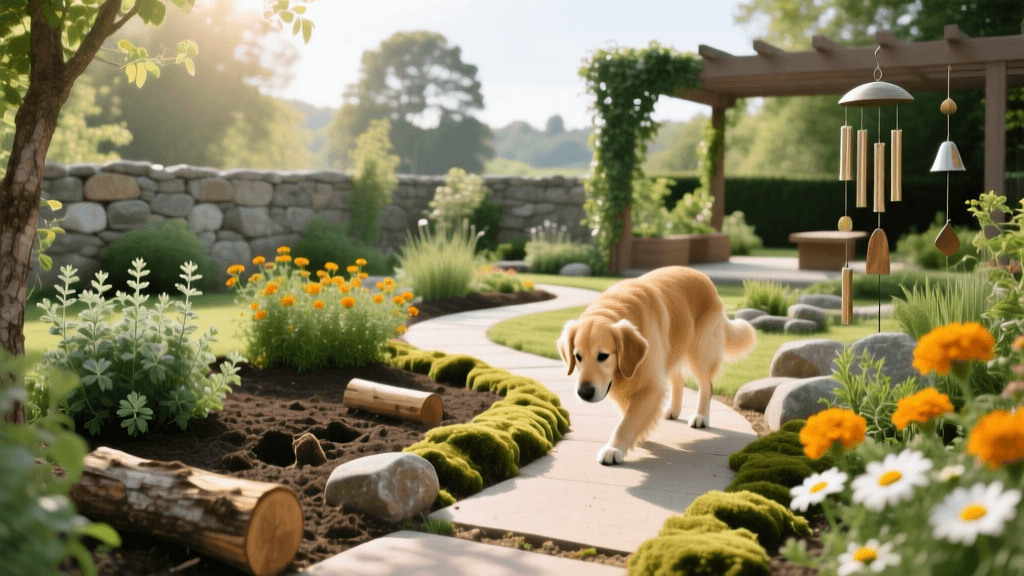
A truly holistic garden operates on the principle of symbiosis. It is a space where the dog's natural behaviors—digging, foraging, sniffing, and chewing—are not just tolerated but actively encouraged through safe, designated zones. Dogs possess up to 300 million olfactory receptors, making scent their primary way of interpreting the world. A holistic garden leverages this by incorporating aromatic, dog-safe herbs and varying textural elements like smooth river stones, soft mosses, and rugged bark.
Furthermore, holistic landscaping strictly avoids chemical herbicides, pesticides, and synthetic fertilizers. These chemicals can disrupt a dog's endocrine system and cause long-term health issues. By utilizing organic soil amendments and natural pest deterrents, you create a safe haven that supports your dog's physical health while protecting local pollinators and groundwater.
Top Dog-Safe Holistic Plants for 2026 Landscaping
Selecting the right flora is the most critical step in designing your enrichment garden. Many common ornamental plants, such as sago palms, oleander, and lilies, are highly toxic to canines. When planning your garden beds, cross-referencing your choices with the ASPCA's Toxic and Non-Toxic Plants database is an absolute necessity. Below is a curated list of holistic, dog-safe plants that offer therapeutic and sensory benefits for your pet.
| Plant Name | Holistic Benefit | Sensory Profile | Care Level |
|---|---|---|---|
| Calendula (Pot Marigold) | Anti-inflammatory; soothing for minor skin irritations if ingested or rubbed against. | Bright visual stimulation; slightly sticky, resinous texture. | Easy (Full sun, well-draining soil) |
| Lemon Balm | Natural calming agent; reduces mild anxiety and promotes relaxation. | Strong, uplifting citrus scent when leaves are bruised. | Moderate (Partial shade, contains spread) |
| Chamomile | Digestive aid; mild sedative properties for restless dogs. | Soft, feathery foliage; sweet apple-like aroma. | Easy (Tolerates light foot traffic) |
| Rosemary | Cognitive support; rich in antioxidants and carnosic acid. | Robust, woody scent; needle-like tactile feedback. | Easy (Drought-tolerant, full sun) |
| Oat Grass | Digestive fiber; satisfies the natural urge to chew on greenery. | Soft, sweet-tasting blades; rustling auditory feedback. | Easy (Fast-growing, partial sun) |
Planting Tips for Sensory Engagement
When planting these herbs, consider creating a 'sniffing path.' Plant Lemon Balm and Chamomile along the borders of your walking paths so that your dog's shoulders and paws naturally brush against the leaves, releasing their calming essential oils into the air. For Oat Grass, dedicate a specific 'salad bar' planter box raised slightly off the ground to prevent it from being trampled during play.
Designing Natural Digging and Foraging Zones
Digging is an innate, self-rewarding behavior for many breeds, particularly terriers and hounds. Rather than fighting this instinct, a holistic garden embraces it by providing a dedicated, sanitary digging zone. In 2026, the gold standard for natural digging pits involves a specific soil blend that is gentle on paw pads and claws while providing excellent drainage.
- The Soil Mix: Combine 40% organic, chemical-free topsoil, 40% fine play sand, and 20% coconut coir. This mixture is loose enough for easy digging but retains enough structure to prevent immediate collapse.
- The Boundary: Use natural, untreated cedar logs or large, smooth river boulders to delineate the digging zone. Avoid pressure-treated lumber, which can leach toxic copper and arsenic compounds into the soil.
- Foraging Enrichment: Bury holistic, single-ingredient treats (like dehydrated sweet potato chews or frozen bone broth cubes) just beneath the surface. You can also scatter dried, dog-safe herb leaves like mint or basil into the pit to create a complex scent trail that encourages deep, focused sniffing.
Holistic Pest Control: Keeping the Garden Safe Naturally
A major challenge in maintaining a dog-friendly outdoor space is managing fleas, ticks, and mosquitoes without resorting to neurotoxic yard sprays. Holistic pest management focuses on biological controls and botanical repellents that maintain the ecological balance of your yard.
Beneficial Nematodes
Applying beneficial nematodes (microscopic, naturally occurring soil worms) is one of the most effective, 100% natural ways to control flea populations in your yard. Specifically, the species Steinernema feltiae actively seeks out and destroys flea larvae and pupae in the soil before they can hatch and jump onto your dog. You can apply them using a standard garden hose sprayer in the early spring and late summer of 2026. They are completely safe for dogs, humans, and earthworms.
Botanical Deterrents
Planting a perimeter of Marigolds, Lavender, and Lemongrass creates a natural aromatic barrier that deters ticks and mosquitoes. The Xerces Society for Invertebrate Conservation highly recommends planting native, pollinator-friendly flora that naturally resist severe pest damage without the need for disruptive chemical interventions. By fostering a habitat for native birds and beneficial insects like ladybugs and praying mantises, you create a self-regulating ecosystem that keeps pest populations in check naturally.
Creating a Sensory Cooling and Hydration Station
As global temperatures continue to fluctuate, providing a natural, engaging hydration and cooling station is vital for your dog's thermoregulation. Traditional plastic or metal water bowls can harbor bacteria and algae quickly when left in the sun. A holistic alternative is a recirculating, solar-powered stone water feature.
Design a shallow basin using naturally smoothed river stones and a non-toxic, EPDM pond liner. The solar pump ensures a continuous, gentle flow of water, which prevents mosquito breeding and keeps the water oxygenated and fresh. Surround the hydration station with dog-safe, cooling plants like Peppermint and Spearmint. The evaporative cooling effect from the moving water, combined with the menthol scent of the mint, creates a microclimate that is incredibly soothing for dogs on hot summer days. Ensure the basin has a gradual, sloped entry using flat, textured flagstones so that senior dogs or puppies can easily wade in to cool their paws and drink safely without the risk of slipping.
Conclusion: Cultivating a Deeper Bond
Transforming your outdoor space into a holistic dog enrichment garden is one of the most rewarding investments you can make for your pet's quality of life in 2026. By moving away from sterile, chemical-laden lawns and embracing a diverse, sensory-rich landscape, you provide your dog with a daily outlet for their natural behaviors. From the calming aroma of bruised lemon balm to the satisfying excavation of a natural foraging pit, every element of this garden is designed to nurture their mind, body, and spirit. Ultimately, a holistic garden is not just a place where your dog lives; it is an interactive, living environment that deepens the bond between you and your canine companion, promoting a lifetime of health, happiness, and natural harmony.
robin-maitland
All our authors care for dogs every day — read more of their work on the authors page.