Google's Top Questions About Flying With Your Dog Answered
Planning to fly with your dog? We answer Google's most-asked questions about cabin vs. cargo travel, airline rules, costs, and carrier sizes.
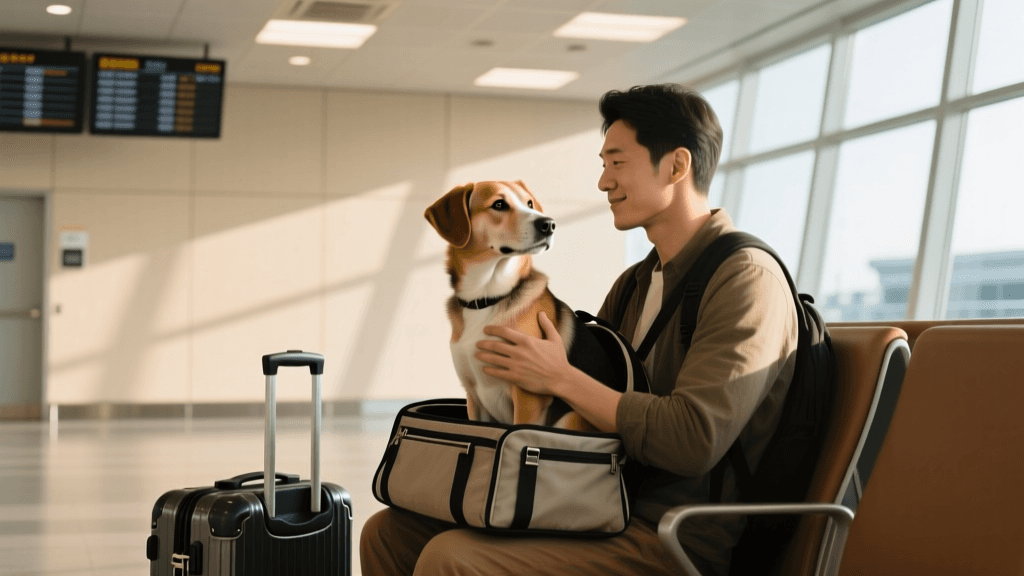
Google's Most-Asked Questions About Flying With Your Dog
Traveling by air can be a stressful experience for humans, but adding a four-legged companion to the itinerary introduces an entirely new layer of logistical challenges. Whether you are planning a cross-country move, a long vacation, or a quick weekend getaway, navigating airline pet policies requires careful preparation. To help you prepare, we have analyzed search trends and compiled the most frequently asked questions on Google regarding flying with dogs. From cabin dimensions and cargo safety to emotional support animal regulations and health certificates, this comprehensive guide provides actionable, data-backed answers to ensure your pup's journey is as smooth and safe as possible.
Can My Dog Fly in the Cabin With Me?
The most common question pet parents ask is whether their dog can join them in the main cabin. The short answer is yes, but with strict size and weight limitations. Most major domestic airlines only permit small dogs to travel in the cabin. The general rule of thumb is that your dog, along with their carrier, must not exceed 20 pounds, though some airlines do not have a strict weight limit as long as the pet fits comfortably in an approved carrier under the seat in front of you.
Carrier Dimensions and Recommendations
Airlines require soft-sided carriers for cabin travel because they can compress slightly to fit under varying seat dimensions. The standard maximum dimensions for under-seat carriers are typically around 18 inches long, 11 inches wide, and 11 inches high, though this varies slightly by aircraft and airline. A highly recommended product that meets the requirements for almost all major US airlines is the Sherpa Original Deluxe Dog Carrier (priced around $70 to $90). It features mesh panels for breathability, a locking zipper, and a flexible frame that allows it to be pushed down to fit into tight under-seat spaces.
Pro Tip: Always measure the under-seat dimensions of your specific aircraft. A Boeing 737 will have different under-seat clearances compared to an Airbus A320 or a regional jet. Call the airline directly after booking to confirm your seat's specific pet accommodations.
How Much Does It Cost to Fly With a Dog?
Pet travel fees are rarely included in your standard ticket price. Airlines treat pets in the cabin as a separate piece of carry-on luggage, and you will be charged a flat, non-refundable fee each way. If your dog is too large for the cabin and must fly as cargo (often referred to as checked baggage or manifest cargo), the costs increase significantly based on the combined weight of the dog and the hard-sided kennel, as well as the flight distance.
Airline Pet Fee Comparison Chart
| Airline | Cabin Fee (One-Way) | Max Carrier Dimensions (Soft) | Weight Limit (Pet + Carrier) |
|---|---|---|---|
| Delta Air Lines | $125 | 18' x 11' x 11' | No strict limit, must fit under seat |
| American Airlines | $125 | 19' x 13' x 9' | 20 lbs combined |
| United Airlines | $125 | 18' x 11' x 11' | No strict limit, must fit under seat |
| Southwest Airlines | $125 | 18.5' x 8.5' x 13.5' | No strict limit, must fit under seat |
Note that cargo fees can range from $200 to over $1,000 depending on the route and kennel size. Furthermore, airlines limit the number of pets allowed in the cabin per flight (usually between two and six). You must call and add your pet to your reservation immediately after booking your own ticket, as these spots fill up quickly, especially during peak holiday seasons.
Is It Safe for Dogs to Fly in Cargo?
When a dog exceeds the cabin weight and size limits, flying via cargo becomes the only commercial option. This is a highly searched topic due to viral news stories about pets being lost or injured. While thousands of pets fly safely in cargo every year, it does carry inherent risks, primarily related to temperature extremes and stress.
Temperature Embargoes and Breed Restrictions
Most airlines enforce strict temperature embargoes. If the tarmac temperature at the departure, layover, or destination airport is below 45°F (7°C) or above 85°F (29°C), the airline will refuse to load animals into the cargo hold to prevent hypothermia or heatstroke. Additionally, the American Veterinary Medical Association (AVMA) strongly advises against flying brachycephalic (short-nosed) breeds, such as French Bulldogs, Pugs, and Boston Terriers, in cargo. These breeds have compromised airways that make them highly susceptible to respiratory distress and heatstroke in the stressful, poorly ventilated environment of a cargo hold. Many major airlines have outright banned these breeds from cargo travel.
If your dog must fly in cargo, you are required to use an IATA-compliant hard plastic kennel (like the Petmate Sky Kennel) with metal bolts, adequate ventilation on all four sides, and attached food and water bowls. Never use a kennel with plastic latches or wheels, as airlines will reject them.
What Are the Rules for Emotional Support Animals (ESAs)?
A major point of confusion for many travelers is the current legal status of Emotional Support Animals. Prior to 2021, ESAs were permitted to fly in the cabin for free, regardless of size or breed. However, following a surge in incidents involving untrained animals on flights, the rules have drastically changed.
According to the US Department of Transportation (DOT), airlines are no longer required to recognize ESAs as service animals. Today, ESAs are treated exactly like standard pets. This means your emotional support dog must adhere to the same size, weight, and carrier restrictions as any other pet, and you will be required to pay the standard $125 cabin fee. Only fully trained, task-performing Service Animals (SAs) for individuals with disabilities are exempt from pet fees and carrier requirements. If you are traveling with a recognized Service Animal, you must submit the DOT's Service Animal Air Transportation Form at least 48 hours before your flight.
How Do I Prepare My Dog for the Flight?
Preparation should begin weeks before your departure date. The goal is to make the carrier a safe, positive space rather than a source of anxiety.
- Carrier Acclimation (4 Weeks Out): Leave the soft-sided carrier open in your living room. Feed your dog their meals inside it and offer high-value treats like frozen Kongs filled with peanut butter when they enter. This builds a positive association.
- Exercise Before the Airport (Day Of): A tired dog is a calm dog. Engage in a rigorous 45-minute walk or play session before heading to the airport to help them burn off excess nervous energy.
- Feeding and Hydration Timeline: The AVMA recommends withholding solid food for 4 to 6 hours before the flight to prevent motion sickness and the need to defecate in the carrier. Offer small amounts of water up until you pass through security, and bring a collapsible silicone bowl for the terminal.
- Airport Potty Relief: Most major airports now feature indoor, post-security animal relief areas. Locate these on the airport map before your trip. They are typically small, artificial turf rooms equipped with waste bags and a fire hydrant.
What Health Documents Do I Need?
Bureaucracy is a major part of pet travel. Even for domestic flights within the United States, airlines reserve the right to ask for proof of vaccination. For international travel or travel to specific states like Hawaii and Alaska, the paperwork becomes much more stringent.
Domestic vs. International Requirements
For standard domestic flights, a current rabies vaccination certificate is usually sufficient, though carrying a general health certificate issued by your vet within 10 days of travel is highly recommended. However, if you are crossing international borders, you must comply with the destination country's import laws. The USDA APHIS Pet Travel website is the definitive resource for international requirements. Many countries require an ISO-compliant microchip, specific parasite treatments, titer tests (which can take months to process), and a USDA-endorsed international health certificate. Always start researching international pet import rules at least six months before your departure date to avoid your dog being quarantined or denied entry upon arrival.
Final Thoughts on Air Travel With Dogs
Flying with your dog requires meticulous planning, a bit of extra budget, and a deep understanding of airline policies. By answering Google's most-asked questions, we hope to demystify the process. Always prioritize your dog's physical and mental well-being; if your pet suffers from severe anxiety or health issues, consider hiring a professional pet transport service or leaving them with a trusted pet sitter. Safe travels to you and your furry co-pilot!
tom-renshaw
All our authors care for dogs every day — read more of their work on the authors page.