Herding vs Sporting Breeds: Obedience Training Guide
Compare herding and sporting dog breeds for obedience training. Discover trainability, energy levels, and the best choice for your active lifestyle.
Introduction to Breed Selection for Training
Selecting the right dog breed is about more than just coat color or size; it is fundamentally about matching a dog's innate behavioral drives with your training goals and lifestyle. When prospective owners visit shelters or breeders, they often ask, 'Which breed is the easiest to train?' However, trainability is not a monolith. A dog's willingness to work, problem-solving style, and response to reinforcement vary wildly depending on the historical purpose of their breed group. For owners specifically interested in advanced obedience, trick teaching, or canine sports, understanding the dichotomy between Herding breeds and Sporting breeds is essential. This guide compares these two highly trainable groups to help you select the perfect canine partner for your training journey.
The Herding Group: Instincts and Obedience
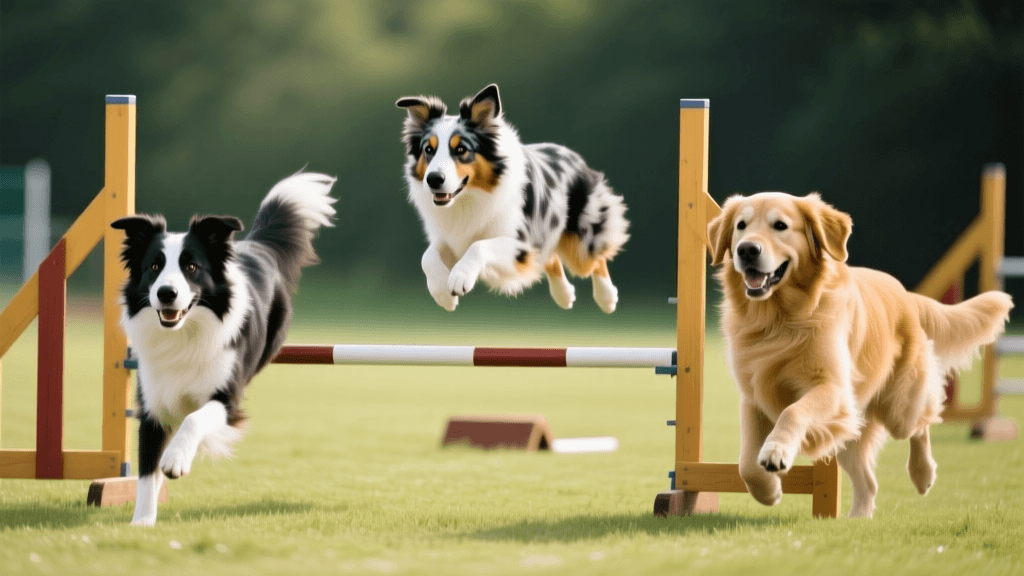
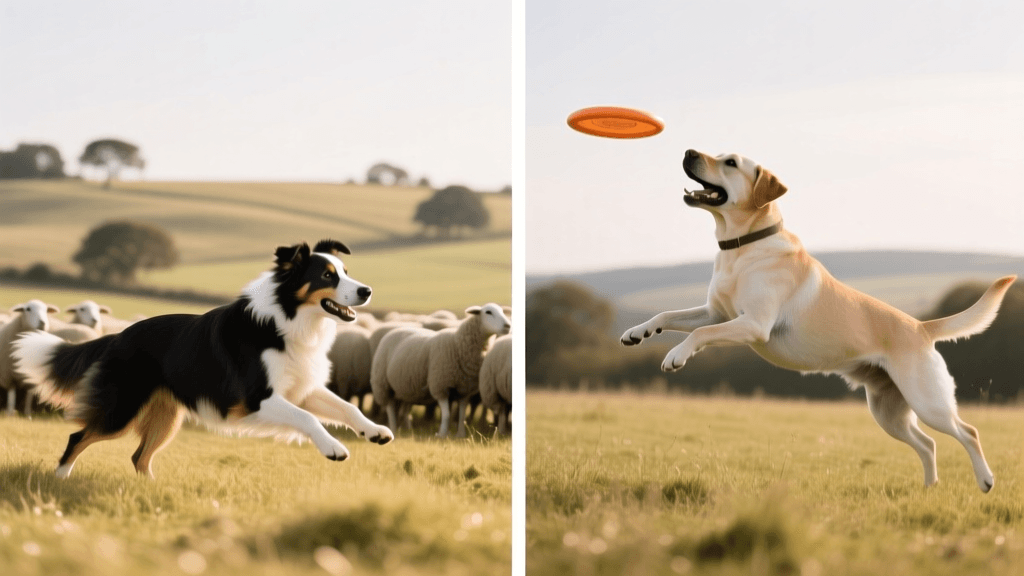
The Herding group includes some of the most intellectually gifted dogs on the planet, such as the Border Collie, Australian Shepherd, and Belgian Malinois. Bred to control the movement of livestock, these dogs possess an extraordinary ability to read subtle body language and respond to complex, long-distance commands. According to the American Kennel Club's Herding Group profile, these dogs are characterized by their intense focus and high energy. However, this same intelligence can be a double-edged sword. Herding dogs do not just learn commands; they learn routines, loopholes, and bad habits just as quickly as good ones. Their primary drive is movement and control. In a training context, this means they require immense mental stimulation. A simple ten-minute walk will not suffice. Training a herding breed requires incorporating impulse control exercises, such as 'wait' at doors and 'leave it' when presented with moving objects like bicycles or running children. Without an outlet for their herding instincts, these dogs may develop neurotic behaviors, such as shadow-chasing or heel-nipping.
The Sporting Group: Drive and Focus
Conversely, the Sporting group—featuring favorites like the Labrador Retriever, Golden Retriever, and English Springer Spaniel—was bred to work closely with human hunters to flush, point, and retrieve game. The American Kennel Club's Sporting Group guidelines note that these breeds are naturally alert, active, and highly people-oriented. While herding dogs often work at a distance and make independent decisions, sporting dogs are bred for cooperative, close-quarters teamwork. This makes them exceptionally biddable and eager to please, which is why they dominate beginner obedience classes and therapy dog work. Their primary drive is usually retrieval and scent-tracking. Training a sporting dog is highly rewarding because their desire to hold objects in their mouths and work directly with their handler translates seamlessly into traditional obedience. However, their high sociability and environmental awareness mean they can be easily distracted by novel scents or people. Recall training is notoriously challenging for sporting breeds when they are off-leash in a stimulating environment, requiring high-value rewards and extensive proofing.
Trainability Comparison: Herding vs. Sporting
Understanding the cognitive differences between these groups is vital for setting realistic training expectations. Below is a comparison chart detailing their core behavioral traits.
| Feature | Herding Breeds | Sporting Breeds |
|---|---|---|
| Primary Instinct | Controlling movement | Retrieving and flushing |
| Working Style | Independent, distance | Cooperative, close-range |
| Problem Solving | High, can lead to mischief | Moderate, relies on handler |
| Biggest Training Hurdle | Impulse control, over-arousal | Distraction, poor recall |
| Ideal Reward | Tug toys, movement games | Food treats, fetch |
| Best Suited For | Agility, advanced obedience | Scent work, rally, therapy |
Specific Obedience Training Strategies
Training the Herding Dog
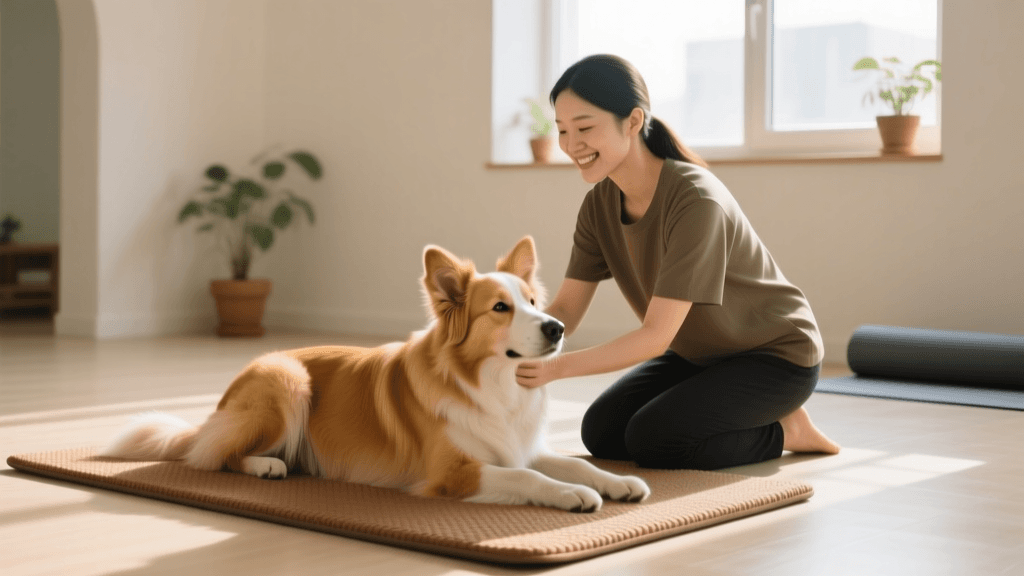
To effectively train a herding dog, you must become a master of emotional regulation. Herding breeds are highly sensitive to their handler's frustration. If you raise your voice, a Border Collie may shut down or become overly frantic. Use positive reinforcement, specifically 'life rewards.' For example, asking your Australian Shepherd to 'sit' and 'wait' before opening the door to the backyard uses their desire to run outside as the reward for compliance. Incorporate a herding ball (like the Jolly Ball, typically costing around $30 to $50) to give them an appropriate outlet for their pushing and chasing instincts. Teach a solid 'place' command using a raised cot (such as the Kuranda bed, approx. $120) to help them learn how to switch off and relax, which is critical for preventing burnout and anxiety.
Training the Sporting Dog
Training a sporting dog requires mastering the art of engagement and distraction management. Because their noses are glued to the ground, start obedience training in a low-distraction indoor environment. Use high-value, smelly treats like freeze-dried liver or boiled chicken to keep their focus on you rather than the environment. The 'drop it' and 'leave it' commands are paramount, as sporting breeds are notorious for picking up garbage or dangerous items on walks. Invest in a long-line training leash (15 to 30 feet in length, costing $15 to $25) to practice recall safely. When teaching retrieval, avoid repetitive throwing without obedience; instead, use the Premack Principle. Ask the dog to sit and make eye contact before throwing the bumper. This builds discipline and prevents the dog from becoming entirely self-rewarded by the act of chasing.
Socialization Differences
Socialization is a critical component of early behavioral conditioning, but it looks very different for these two groups. Herding breeds, due to their genetic suspicion of outsiders and movement sensitivity, require careful, positive exposure to chaotic environments. A bustling farmer's market might trigger their instinct to 'herd' running children or nip at moving shopping carts. Socialization for a herding puppy involves teaching them to observe movement without reacting. This requires a high rate of reinforcement for calm behavior and neutral observation. Sporting breeds, on the other hand, tend to be overly exuberant rather than suspicious. A Golden Retriever puppy's biggest socialization hurdle is usually preventing them from jumping on every stranger they meet or pulling aggressively toward other dogs to initiate play. Socialization for sporting breeds focuses heavily on teaching 'four on the floor' (keeping all paws on the ground when greeting) and leash manners. Using a front-clip no-pull harness (like the PetSafe Easy Walk, priced around $25) can provide the mechanical advantage needed to teach polite walking without choking the dog.
Time, Cost, and Equipment Commitments
Both groups require significant investments of time and money. Group obedience classes typically range from $150 to $250 for a six-week course. However, herding breeds often require advanced puzzle toys (like the Outward Hound Dog Brick, $15) and canine sports enrollment to burn mental energy, which can add $50 to $100 monthly in club fees. Sporting dogs may require specialized retrieval dummies and scent-work kits ($40 to $80). Expect to dedicate a minimum of 45 to 60 minutes daily to structured training and physical exercise for the first two years of the dog's life.
Making the Final Selection
Making the choice between a herding and a sporting breed ultimately depends on your daily routine and training ambitions. If you are an active runner who wants a dog to tackle complex agility courses and you have the time to manage intense mental stimulation, a herding breed is unparalleled. If you prefer hiking, want a reliable off-leash companion, and desire a dog that thrives on cooperative games and affection, a sporting breed is the ideal match. The American Veterinary Medical Association (AVMA) emphasizes that understanding breed-specific behaviors is the cornerstone of preventing relinquishment and ensuring a harmonious human-animal bond. By selecting a breed whose innate drives align with your training methodology, you set the stage for a lifetime of successful obedience and mutual joy.
beth-carrasco
All our authors care for dogs every day — read more of their work on the authors page.