Herding vs Sporting Breeds: Which Instinct Fits You?
Discover the psychological differences between herding and sporting dog breeds. Learn which instinctual drive fits your lifestyle, budget, and training goals.
The Canine Mind: Why Instincts Dictate Behavior
When selecting a dog, many prospective owners focus primarily on appearance, size, or coat type. However, from a canine psychology perspective, a dog's genetic blueprint—specifically its breed group instincts—is the most critical factor in determining its daily behavior, training needs, and overall happiness. Understanding the deep-seated drives of different breed groups is essential for preventing behavioral issues and fostering a harmonious human-animal bond.
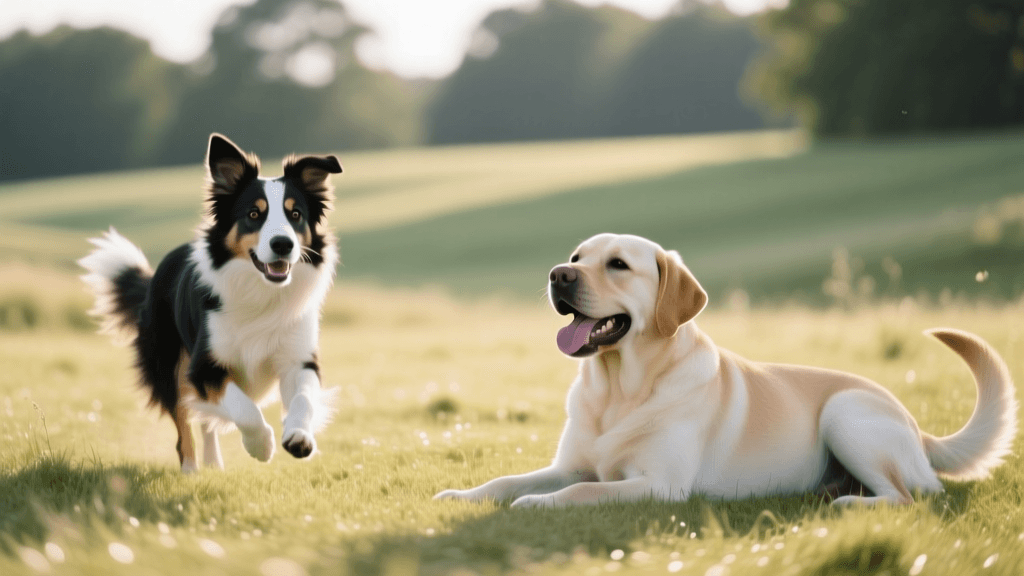
Two of the most popular, yet fundamentally different, categories of high-drive dogs are the Herding Group and the Sporting Group. While both require significant exercise and mental engagement, the psychological motivations behind their behaviors are entirely distinct. By examining the predatory motor sequence and how humans have selectively bred these dogs, we can make informed, practical decisions about which breed aligns with our lifestyles.
The Predatory Motor Sequence Explained
To understand breed instincts, canine behaviorists often refer to the predatory motor sequence: eye, stalk, chase, grab-bite, kill-bite, dissect, and consume. Different breed groups have been selectively bred to exaggerate certain parts of this sequence while completely inhibiting others.
- Herding Breeds: Bred to exaggerate the eye, stalk, chase, and grab-bite (nipping at heels) to control livestock, while the kill-bite is strictly inhibited.
- Sporting Breeds (Retrievers): Bred to exaggerate the chase and grab-bite (using a 'soft mouth' to avoid damaging game), while inhibiting the kill-bite and dissect phases.
- Sporting Breeds (Pointers/Flushers): Bred to exaggerate the eye and stalk (pointing) or the chase (flushing), working in close cooperation with a human hunter.
The Herding Group: Masters of Control and Movement
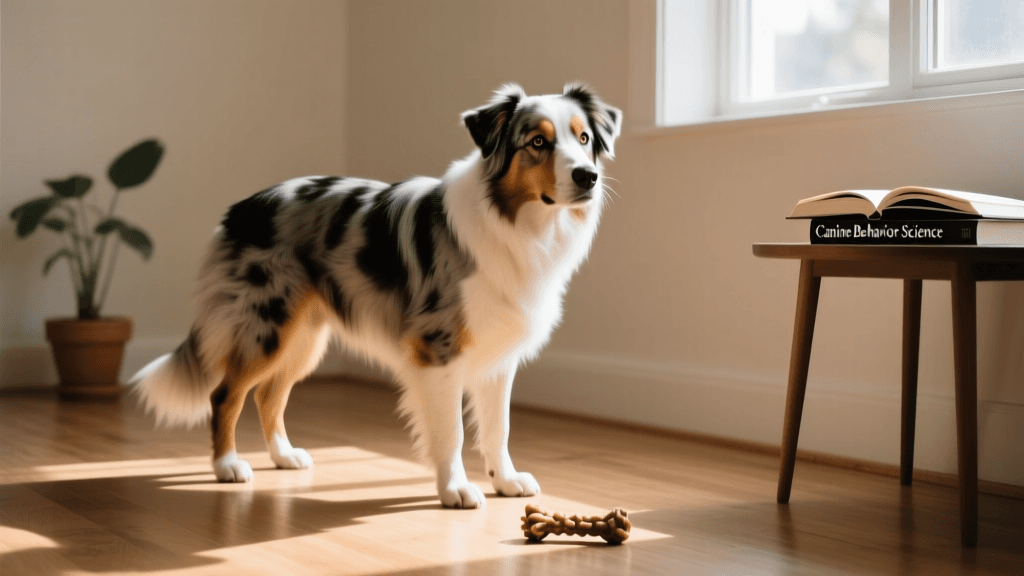
According to the American Kennel Club's Herding Group guidelines, these dogs are the ultimate micromanagers. Breeds like the Border Collie, Australian Shepherd, and Pembroke Welsh Corgi possess an intense psychological need to control their environment. They are highly sensitive to movement, which is why they often stare intently at moving objects, children, or even cars.
Psychological Profile and Behavioral Quirks
Herding dogs are independent thinkers but remain hyper-focused on their handler's movements. Because their instinct is to control, a bored herding dog will often invent its own 'jobs.' This can manifest as neurotic pacing, shadow-chasing, or nipping at the ankles of running children. They require mental exhaustion just as much as physical exercise. A simple three-mile run will not satisfy a Border Collie; they need complex problem-solving tasks, agility courses, or advanced obedience training to feel fulfilled.
The Sporting Group: Cooperative Hunters and Retrievers
The AKC Sporting Group encompasses breeds like the Labrador Retriever, Golden Retriever, and German Shorthaired Pointer. Unlike herding dogs, which work somewhat independently to move stock, sporting dogs were bred to work in tandem with humans. Their psychology is rooted in cooperation, scent-tracking, and retrieving.
Psychological Profile and Behavioral Quirks
Sporting dogs are generally more biddable and eager to please in a traditional obedience sense, but their environmental awareness is heavily skewed toward scents and wildlife. A Golden Retriever might ignore a moving bicycle (which would trigger a herding dog) but will instantly lock onto the scent of a bird in the bushes. When under-stimulated, sporting breeds are prone to destructive chewing, roaming, and obsessive fetching behaviors. They need endurance-based exercise and scent-oriented games to satisfy their genetic urges.
'A dog's behavior is a direct reflection of its genetic blueprint meeting its environment. To ignore instinct is to invite frustration.'
— Canine Behavioral Psychology Principles
Head-to-Head: Herding vs. Sporting Breeds
To help you visualize the practical differences between these two groups, review the comparison chart below. This data reflects average requirements for adult dogs in these categories.
| Trait | Herding Breeds | Sporting Breeds |
|---|---|---|
| Primary Drive | Control & Movement | Cooperation & Retrieval |
| Mental Stimulation | Extremely High (Puzzle/Job) | High (Scent/Tracking) |
| Physical Stamina | High (Agility/Sprinting) | Very High (Endurance) |
| Common Behavioral Issues | Nipping, Neurotic Pacing | Chewing, Roaming, Chasing |
| Estimated Annual Activity Cost | $400 - $800 | $300 - $600 |
Lifestyle Matching: Which Drive Fits Your Daily Routine?
Selecting between a herding and a sporting breed requires an honest assessment of your daily routine, living space, and budget. Behavioral issues often stem from unmet instincts, a concept widely documented by organizations like the ASPCA when addressing common dog behavior issues rooted in boredom and lack of appropriate outlets.
Time and Space Commitments
If you live in a suburban home with a securely fenced yard and enjoy structured, timed activities like agility or trick training, a herding breed may thrive. They excel in environments where rules are clear and tasks are defined. However, if you have young, unpredictable children, the herding instinct to nip at running heels can be a significant safety and training hurdle.
Conversely, if you are an avid hiker, runner, or camper who wants a dog to tag along on long, unstructured outdoor adventures, a sporting breed is ideal. They possess the physical endurance for a 10-mile hike and the psychological 'off-switch' to relax by the campfire once their scent-tracking and retrieving urges have been met.
Budgeting for High-Drive Dogs
High-drive dogs require financial investment to keep them mentally and physically sound. Expect to budget for the following:
- Herding Breed Costs: Agility classes ($150–$250 per session), Treibball equipment ($50–$100), and advanced puzzle toys ($30–$60 each). Annual activity budget: ~$600.
- Sporting Breed Costs: Dock diving or hunt test entries ($50–$100 per event), high-quality retrieval dummies ($20–$40), and GPS tracking collars for off-leash hiking ($200–$400 initial cost). Annual activity budget: ~$450.
- Joint Care: Both groups are prone to hip and elbow dysplasia. Budget $150–$300 annually for high-quality joint supplements (like glucosamine and chondroitin) and orthopedic bedding.
Channeling Instincts: Practical Activities
You do not need to live on a farm or hunt game to satisfy these deep-seated instincts. Modern canine sports offer incredible outlets for urban and suburban dog owners.
For the Herding Dog
Consider Treibball, a sport where dogs herd large exercise balls into a goal. It satisfies the 'eye-stalk-chase' sequence without the liability of livestock. Alternatively, Agility provides the rapid directional changes and handler-focus that breeds like the Shetland Sheepdog crave.
For the Sporting Dog
Engage in Scent Work or Barn Hunt to satisfy their olfactory drives. For retrievers, joining a local Dock Diving club or practicing structured retrieval games with canvas bumpers in a local pond will exhaust them far more effectively than a simple game of tennis ball fetch in the backyard.
Conclusion: Honoring the Blueprint
Understanding your dog means respecting the centuries of selective breeding that shaped their mind. Herding breeds offer unparalleled focus and trainability for structured tasks, while sporting breeds provide cooperative endurance and scent-driven joy. By matching your lifestyle, budget, and time commitments to the correct instinctual drive, you ensure a lifetime of mutual understanding and behavioral harmony. Choose not just for the dog you want to look at, but for the mind you are prepared to engage with every single day.
aaron-whyte
All our authors care for dogs every day — read more of their work on the authors page.