Herding vs Hound Breeds: Trainability and Selection Guide
Compare the trainability of herding and hound breeds. Learn which dog breed fits your lifestyle, training goals, and obedience expectations.
Choosing the Right Breed for Your Training Goals
Choosing the right dog breed is about much more than just aesthetics, size, or shedding levels; it is fundamentally about matching a dog's genetic predispositions to your lifestyle, especially regarding trainability. When prospective owners visit shelters or breeders, they often wonder how different breeds will respond to obedience training, behavioral conditioning, and socialization. Two of the most distinct and popular groups in the canine world are the Herding Group and the Hound Group. Understanding the stark contrasts in their trainability, drive, and environmental sensitivities can save you from immense frustration and ensure a harmonious, lifelong relationship with your canine companion.
The Herding Group: Eager to Please but High Maintenance
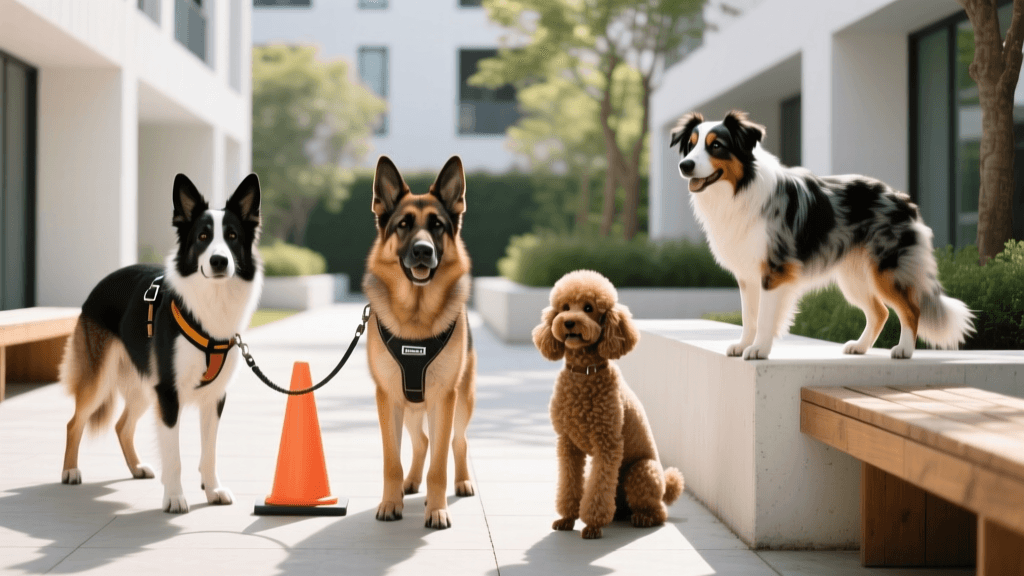
Herding breeds, such as the Border Collie, Australian Shepherd, and Belgian Malinois, are globally renowned for their high 'biddability.' Biddability refers to a dog's innate, genetic desire to work cooperatively with a human handler. According to the American Kennel Club (AKC), these dogs were selectively bred over centuries to respond to subtle whistles, hand signals, and verbal cues while managing unpredictable livestock in chaotic environments. This translates to a pet dog that can learn basic obedience commands like 'sit,' 'down,' and 'recall' in a matter of days.
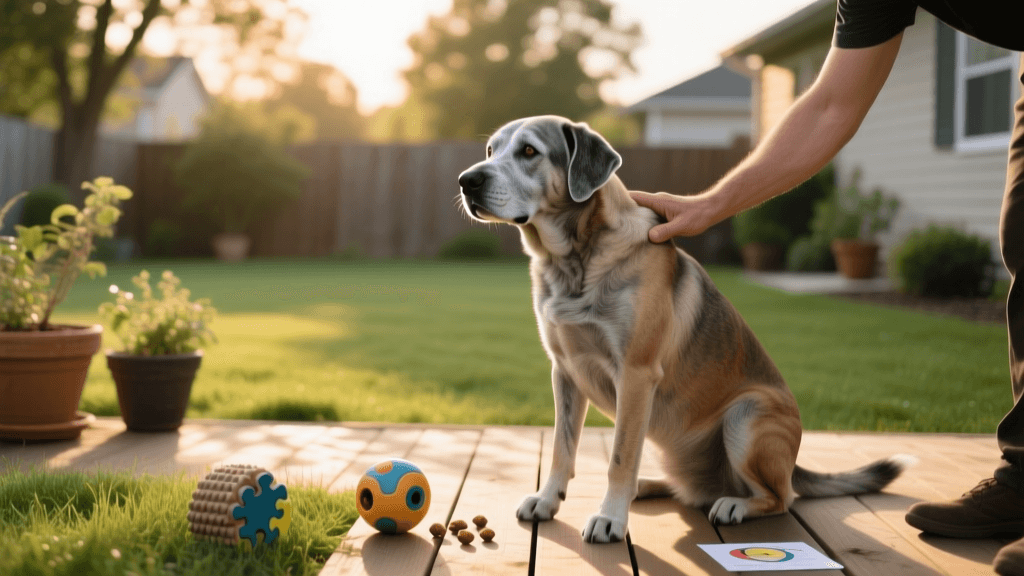
However, this high intelligence comes with a heavy behavioral tax: the need for constant mental fatigue. A Border Collie that is not given a structured 'job' will invent one, often resulting in destructive behaviors, neurotic pacing, shadow-chasing, or attempting to herd children and moving vehicles. Training a herding breed requires structured sessions of 15 to 20 minutes, multiple times a day. You must utilize high-engagement tools like flirt poles, snuffle mats, and puzzle feeders to drain their mental energy. If you work long hours away from home and cannot commit to daily, intensive training routines, a high-drive herding breed may become a behavioral nightmare.
The Hound Group: Independent Thinkers and Scent Driven
In stark contrast, the Hound Group—including Beagles, Bloodhounds, and Coonhounds—were bred for fierce independence. When a Beagle catches a compelling scent trail, its genetic imperative is to follow that nose to the ends of the earth, completely ignoring human commands. The AKC's Hound Group profile notes that these dogs are driven by their olfactory senses rather than a desire to please a handler. This does not mean hounds are 'unintelligent' or 'stubborn'; rather, they are independent problem solvers who prioritize environmental data over human direction.
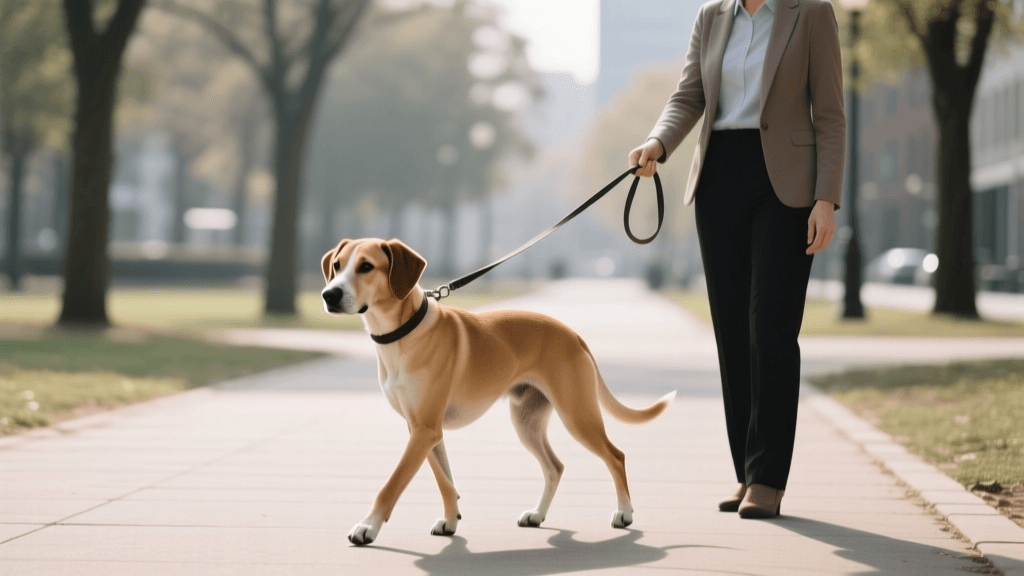
Training a hound requires immense patience, high-value food rewards (like Zuke's Mini Naturals or Stewart Freeze-Dried Beef Liver), and a fundamental shift in expectations. You may spend two weeks teaching a reliable recall to a Border Collie, but that same recall might take six months of consistent, long-line training for a Beagle. Hounds excel in scent work, tracking, and barn hunt sports, but they often struggle in traditional, rigid obedience competitions that require prolonged periods of sitting still and staring at a handler.
Breed Trainability Comparison Chart
Use the following comparison chart to evaluate how these distinct breed groups align with your training capabilities and lifestyle expectations.
| Metric | Herding Breeds (e.g., Border Collie) | Hound Breeds (e.g., Beagle) |
|---|---|---|
| Biddability | Extremely High (Eager to please) | Low to Moderate (Independent) |
| Recall Difficulty | Low (Learns quickly with engagement) | High (Easily distracted by scents) |
| Primary Drive | Visual and Movement (Herding instinct) | Olfactory (Scent tracking instinct) |
| Ideal Training Reward | Tug toys, tennis balls, praise | High-value, smelly food treats |
| Off-Leash Reliability | High (in controlled, trained environments) | Low (Never recommended in unfenced areas) |
| Mental Stimulation Needs | Very High (Needs jobs and puzzles) | Moderate (Needs sniffing and tracking) |
Socialization and Environmental Sensitivities
The Association of Professional Dog Trainers (APDT) emphasizes that the critical socialization window closes around 16 weeks of age, but breed-specific quirks dictate exactly how you should socialize your puppy. Herding dogs frequently develop movement sensitivities. They may lunge at bicycles, skateboards, or running children due to their genetic trigger to chase and control movement. Socialization for a herding pup involves 'engagement training'—teaching the dog to look at you and perform a 'sit' or 'touch' when a fast-moving object passes, rewarding heavily with treats to change their emotional response.
Hounds, conversely, suffer from 'nose blindness' to their environment. A hound puppy might not notice a loud truck or a strange dog approaching because its nose is glued to the grass. Socialization for a hound pup means exposing them to various surfaces, sounds, and environments while actively encouraging them to look up and engage with you. You must practice 'name recognition' games in low-distraction environments before attempting to get their attention in a high-scent area like a park.
Behavioral Conditioning: Managing Drive
Every breed has a genetic drive that must be managed through behavioral conditioning. For herding breeds, this means managing the 'stalk and nip' sequence. If a Border Collie begins to stare intensely at a jogger or nip at a toddler's heels, you must condition an incompatible behavior, such as the 'Place' command. Teaching your dog to go to a raised cot (like a Kuranda bed) and settle on a chew toy interrupts the herding sequence and provides a safe, rewarding alternative.
For hounds, the drive to manage is 'prey drive' and resource guarding of found objects (like garbage or animal bones). Hounds are notorious scavengers. You must heavily condition the 'Drop It' and 'Leave It' commands using the 'trade-up' method. Never forcefully pry an object from a hound's mouth, as this can trigger defensive aggression. Instead, offer a piece of high-value roast beef in exchange for the forbidden item, ensuring the dog learns that giving up a prize always results in a better reward.
Equipment and Training Costs Breakdown
When budgeting for a new dog, factor in the specific equipment and training costs associated with their breed group. Group puppy kindergarten classes typically cost between $150 and $250 for a six-week course, while private behavioral consultants charge $100 to $150 per hour.
- Herding Breed Essentials: Ruffwear Front Range Harness ($40) to prevent tracheal damage during lunging; Kong Classic ($15) stuffed with frozen peanut butter for mental enrichment; Flirt Pole ($25) to safely satisfy chasing instincts without encouraging biting human hands.
- Hound Breed Essentials: 30-foot Biothane Long Line ($35) to practice recalls safely without the leash dragging and tangling in brush; treat pouch with a wide opening ($20) for rapid-fire reward delivery during scent work; Martingale collar ($15) to prevent narrow-headed hounds from slipping out of standard flat collars.
Final Thoughts on Breed Selection
Ultimately, neither group is inherently 'better' than the other; they simply require different training philosophies. If you desire a dog that will be your constant shadow, eager to learn complex tricks, agility courses, and advanced obedience, a herding breed is an excellent choice—provided you have the time and energy to meet their intense physical and mental needs. If you prefer a more laid-back companion who enjoys long, leisurely 'sniffaris' in the woods, doesn't mind a bit of stubbornness, and is happy to relax on the couch after a good nose workout, a hound breed will be a perfect fit. Aligning your training expectations with your chosen breed's genetic blueprint is the first and most crucial step toward successful dog ownership.
hannah-wickes
All our authors care for dogs every day — read more of their work on the authors page.