Herding vs Scent Hounds: Matching Canine Instincts
Discover the psychological differences between herding breeds and scent hounds. Learn how to match canine instincts, prey drive, and energy to your lifestyle.

The Genetic Blueprint: Why Instincts Trump Appearance
Choosing a dog based solely on aesthetics or popularity is one of the most common mistakes prospective pet parents make. While a Border Collie's striking coat or a Beagle's soulful eyes might capture your heart, it is the underlying genetic blueprint that dictates how a dog interacts with the world. Understanding canine psychology and breed-specific instincts is crucial for long-term harmony in your household. Two of the most misunderstood and frequently surrendered groups of dogs are the herding breeds and the scent hounds. Though both are highly active and intelligent, their brains are wired for entirely different purposes. By examining the predatory motor sequence and sensory dominance of these groups, we can make informed, compassionate choices that align with our lifestyles.
Decoding Herding Breeds: The Cerebral Athletes
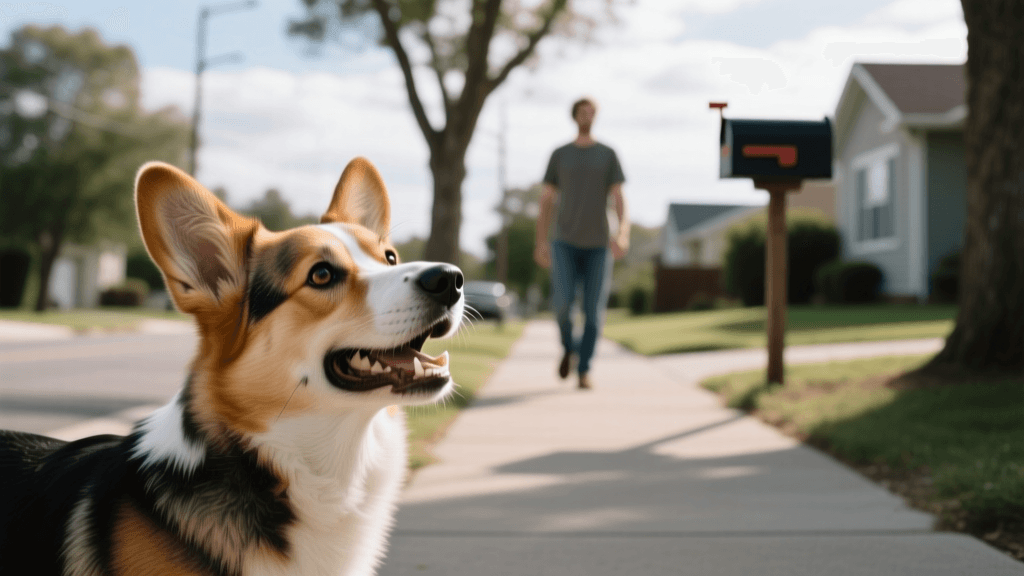
Herding breeds, such as the Border Collie, Australian Shepherd, and Pembroke Welsh Corgi, were developed to control the movement of livestock. According to the American Kennel Club's Herding Group, these dogs possess an intense drive to work, characterized by high intelligence, biddability, and a modified predatory sequence. In the wild, a predator's hunting sequence consists of eye, stalk, chase, grab-bite, kill-bite, and consume. Through centuries of selective breeding, herding dogs have been hardwired to exaggerate the 'eye', 'stalk', and 'chase' phases, while inhibiting the 'grab-bite' and 'kill-bite' phases.
Psychological Traits and Behavioral Quirks
- Movement Sensitivity: Herders are visually stimulated. They will naturally react to moving objects, including cars, bicycles, joggers, and even running children. This can manifest as chasing or nipping at heels if not properly managed.
- The 'Eye': Breeds like the Border Collie use an intense, unblinking stare to intimidate and control sheep. In a domestic setting, this stare can be directed at other pets or family members, which is a sign of deep focus, not necessarily aggression.
- Need for a 'Job': These dogs possess a psychological need for cognitive labor. Without structured mental stimulation, they will invent their own jobs, which often results in destructive behaviors, obsessive-compulsive tendencies (like shadow chasing), or chronic barking.
Decoding Scent Hounds: The Olfactory Independents
Scent hounds, including the Beagle, Bloodhound, and various Coonhounds, were bred to track game over vast distances using their noses. The AKC Hound Group highlights that these dogs are independent thinkers. Unlike herding breeds that look to their handlers for constant direction, hounds were expected to follow a scent trail miles away from the hunter, requiring them to make autonomous decisions. This independence is frequently, and unfairly, mislabeled as 'stubbornness' by frustrated owners.
Psychological Traits and Behavioral Quirks
- Olfactory Dominance: A Bloodhound possesses up to 300 million scent receptors, compared to a human's 5 million. When a hound catches an intriguing scent, their brain essentially tunes out other sensory inputs. This phenomenon, known as 'selective hearing,' means your dog is not ignoring you out of spite; their brain is simply overwhelmed by olfactory data.
- Vocalization: Hounds were bred to 'bay'—a deep, resonant howl—to alert hunters to their location from miles away. In a suburban environment, this instinctual vocalization can lead to noise complaints if the dog becomes bored or spots wildlife.
- Roaming Instincts: Because their primary sense is smell, hounds are notorious wanderers. If they catch the scent of a deer or a discarded food wrapper, their instinct to follow the trail will override their training to stay close.
Head-to-Head Comparison Chart
To help visualize the psychological and environmental needs of these two distinct groups, review the comparison table below:
| Trait | Herding Breeds (e.g., Aussies, Collies) | Scent Hounds (e.g., Beagles, Coonhounds) |
|---|---|---|
| Primary Sense | Vision (Movement-based) | Olfaction (Scent-based) |
| Handler Focus | High (Biddable, checks in frequently) | Low (Independent, easily distracted by smells) |
| Recall Difficulty | Moderate (Responds well to positive reinforcement) | High (Requires extensive long-line training) |
| Destructive Tendencies | Chewing, digging, herding children/pets | Howling, escaping, counter-surfing |
| Ideal Enrichment | Agility, fetch, flirt poles, advanced tricks | Scent work, snuffle mats, tracking games |
| Fencing Needs | 6-foot physical fence to prevent jumping/climbing | Secure underground barriers to prevent digging |
Actionable Selection Guide: Costs, Timing, and Environment
Understanding the psychology of these breeds is only the first step. Preparing your home, budget, and schedule for their specific needs is where the real work begins. The ASPCA's guide to common dog behavior issues emphasizes that many behavioral problems stem from a mismatch between a dog's innate drives and their environment.
1. Fencing and Containment Costs
Neither herding breeds nor scent hounds are suitable for off-leash life in unfenced areas. However, their containment needs differ significantly.
- Herding Breeds: Australian Shepherds and Border Collies are athletic jumpers and climbers. You will need a minimum 6-foot solid wood or vinyl privacy fence to prevent them from seeing outside stimuli that trigger their chase instinct. Expect to pay between $15 to $45 per linear foot for professional installation, totaling $1,500 to $4,500 for an average suburban backyard.
- Scent Hounds: Hounds are diggers. A standard fence is insufficient if they can smell a rabbit on the other side. You must install an 'L-footer' (wire mesh buried underground and bent outward) or a concrete footer. Budget an additional $500 to $1,200 for digging deterrents and secure gate latches, as hounds are notorious escape artists.
2. Training Timelines and Financial Investment
Because of their differing psychological makeups, training timelines and costs vary wildly between the two groups.
- Herding Breeds: These dogs learn commands rapidly but struggle with impulse control. Plan to enroll in puppy socialization classes (8 to 16 weeks of age) costing $150 to $250 for a 6-week course. Follow this with impulse control and agility foundations. Private behavioral sessions to address nipping or reactivity typically cost $100 to $200 per hour.
- Scent Hounds: Recall training for a hound is a marathon, not a sprint. Expect to spend 6 to 12 months working on a 30-foot long-line before attempting off-leash reliability in enclosed areas. Investing in a professional trainer who specializes in positive reinforcement recall will cost between $600 and $1,200 for a comprehensive package, but it is a non-negotiable investment for a hound's safety.
3. Mental Enrichment Tools
Physical exercise alone will not exhaust either of these breeds; you must tire their brains.
- For Herders: Invest in a flirt pole ($20 to $40) to satisfy their chase and grab-bite instincts safely. Puzzle toys that require sequential problem-solving, like the Outward Hound Dog Brick, are excellent for their analytical minds.
- For Hounds: Ditch the food bowl. Use snuffle mats ($30 to $60) or scatter their kibble in the grass to force them to use their noses. Enrolling in introductory scent work or 'barn hunt' classes ($50 to $80 per session) will fulfill their deepest genetic desires.
Real-World Scenarios: Which Breed Fits Your Life?
Scenario A: The Active Runner
If you are a marathon runner who wants a dog to jog alongside you on paved trails, a herding breed like an Australian Shepherd is an excellent match. They will happily maintain your pace and remain visually attuned to your movements. A scent hound, conversely, will constantly stop to investigate smells, breaking your stride and frustrating both of you.
Scenario B: The Weekend Hiker and Nature Lover
If you prefer slow, meandering hikes through the woods and enjoy watching wildlife, a scent hound like a Beagle or Basset Hound is a wonderful companion. You can appreciate their incredible tracking abilities as they map the forest with their noses. A herding breed on this same hike might become overly stressed by the erratic movements of squirrels and birds, leading to leash reactivity.
Final Thoughts on Behavioral Compatibility
Bringing a dog into your home is a 10 to 15-year commitment that should be rooted in mutual understanding. Herding breeds require handlers who are proactive, structured, and ready to engage in daily mental workouts. Scent hounds require patient, forgiving owners who appreciate a dog's independent nature and are willing to manage their environment to ensure safety. By respecting the genetic blueprint of these incredible animals, you pave the way for a deeply rewarding, harmonious relationship built on trust and instinctual fulfillment.
aaron-whyte
All our authors care for dogs every day — read more of their work on the authors page.