Top Quiet Apartment Dog Breeds: 2026 Health & Wellness Guide
Discover the best quiet dog breeds for apartments in 2026. Learn essential health, joint care, and mental enrichment tips for urban canine wellness.
The Rise of the Quiet Apartment Dog in 2026
As urbanization continues to shape our living environments in 2026, apartment dwelling has become the norm for millions of dog owners. With stricter noise ordinances and shared walls, the demand for quiet, low-vocalization dog breeds has skyrocketed. However, selecting a quiet breed is only the first step. True canine wellness in a confined space requires a proactive approach to physical health, joint protection, and mental enrichment. Quiet dogs often internalize their stress, making it crucial for owners to recognize the subtle signs of anxiety or physical discomfort. In this comprehensive 2026 health and wellbeing guide, we explore the best quiet apartment dog breeds and provide actionable, veterinary-aligned strategies to ensure they thrive in small spaces.
Top Quiet Breeds and Their Unique Health Profiles
According to the American Kennel Club, several breeds are naturally predisposed to apartment living due to their moderate energy levels and quiet dispositions. However, each breed carries specific genetic health risks that must be managed in a small-space environment.
| Breed | Avg Weight | Exercise Need | Primary Health Focus |
|---|---|---|---|
| Greyhound | 60-70 lbs | Low (Sprint & Sleep) | Joint care, Bloat prevention |
| Cavalier King Charles Spaniel | 13-18 lbs | Moderate | Cardiac health (MVD) |
| Shih Tzu | 9-16 lbs | Low | Respiratory (BOAS), Eye care |
| Basenji | 22-24 lbs | High | Mental stimulation, Fanconi syndrome |
The Greyhound: The 45-MPH Couch Potato
Despite their racing background, Greyhounds are notorious couch potatoes. They require a short, intense sprint in a secure dog park but spend up to 18 hours a day sleeping. In an apartment, their primary health risk is joint stress from slippery floors and bloat (Gastric Dilatation-Volvulus). Elevating their food bowls and enforcing a rest period after meals are critical preventative measures.
The Cavalier King Charles Spaniel: Gentle but Fragile
Cavaliers are incredibly quiet and affectionate, making them ideal companions. However, they are highly prone to Mitral Valve Disease (MVD). Regular veterinary echocardiograms are mandatory, and owners must avoid overexertion in small, poorly ventilated apartments.
The Shih Tzu: Brachycephalic Considerations
Shih Tzus rarely bark without cause and require minimal outdoor exercise. Their flat faces, however, make them susceptible to Brachycephalic Obstructive Airway Syndrome (BOAS). Managing indoor air quality and temperature is a non-negotiable aspect of their wellness.
The Basenji: The Barkless Hound
Famous for their inability to bark (they yodel instead), Basenjis are clean and quiet. Yet, their high intelligence means they require intense mental enrichment. A bored Basenji in an apartment will quickly turn to destructive behaviors, which is a sign of severe mental distress.
Protecting Joints in High-Rise and Hardwood Environments
One of the most overlooked aspects of apartment dog health is the impact of flooring. Modern apartments are predominantly fitted with hardwood, laminate, or polished concrete. While aesthetically pleasing, these slippery surfaces are disastrous for canine joints. Small breeds like the Shih Tzu and Cavalier are highly susceptible to patellar luxation, while larger, deep-chested breeds like the Greyhound can develop hip dysplasia or exacerbate existing arthritis from constant micro-slips.
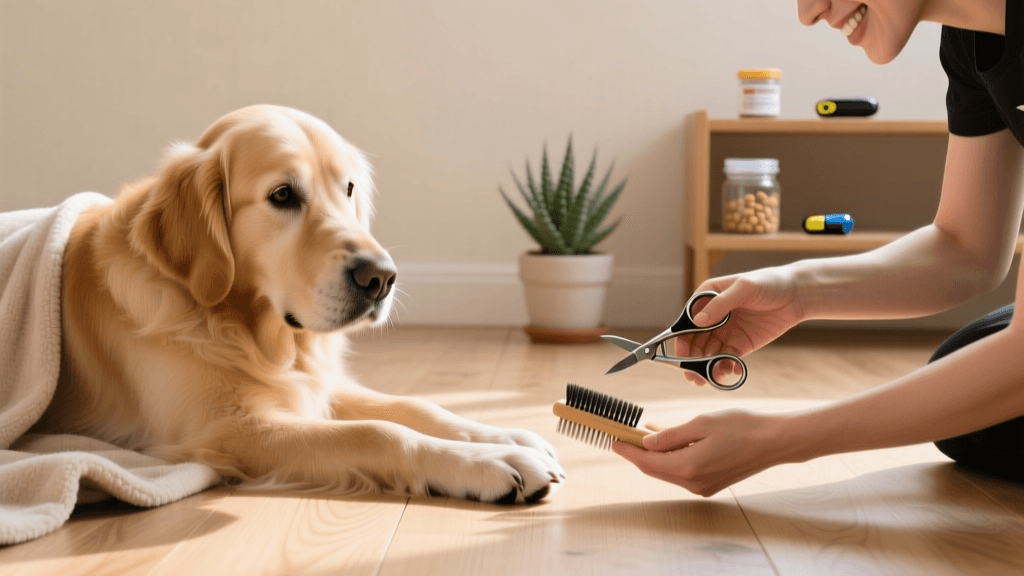
To mitigate this, invest in interlocking EVA foam mats or low-pile, non-slip rug runners for your dog's primary lounging and play areas. Furthermore, maintaining proper nail length is vital. In 2026, LED-illuminated rotary nail grinders are the gold standard for safely trimming the quick, ensuring your dog has maximum traction on smooth surfaces. If you notice your dog hesitating to jump off the sofa or limping after a walk, consult your veterinarian immediately, as early intervention with joint supplements containing glucosamine and chondroitin can prevent long-term mobility issues.
Mental Wellbeing: Enrichment for the Quiet Canine
Quiet dogs do not necessarily equate to low-energy or low-intelligence dogs. Because they do not vocalize their boredom or anxiety through barking, owners often miss the signs of mental under-stimulation. A lack of enrichment can lead to compulsive licking, destructive chewing, or depressive lethargy.
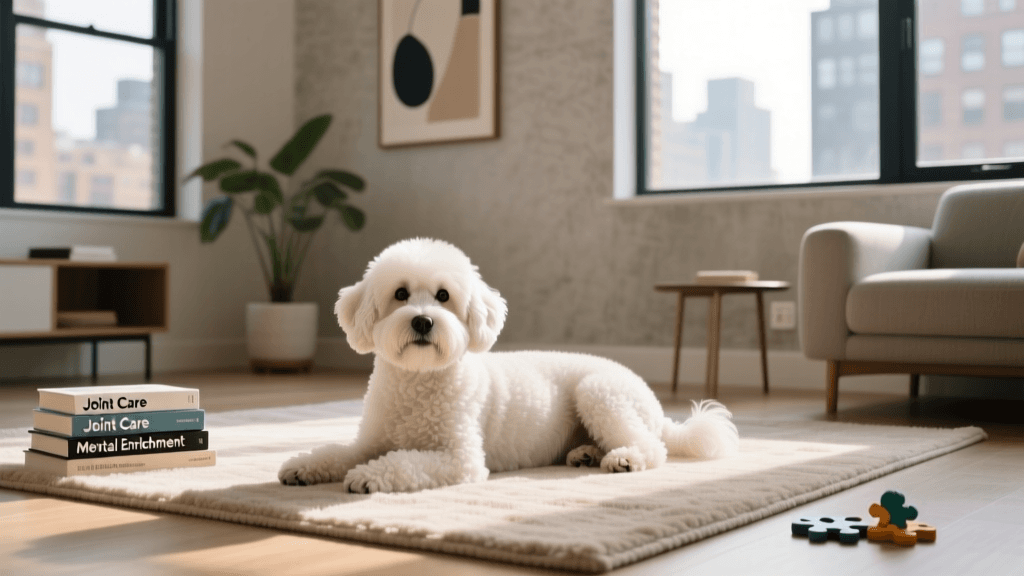
To promote optimal mental health, incorporate daily scent work and puzzle feeding into your apartment routine. Snuffle mats, which mimic the natural foraging behavior of dogs, can turn a standard meal into a 20-minute brain game. Lick mats coated with frozen, dog-safe bone broth or plain pumpkin puree provide soothing, repetitive licking motions that release endorphins and reduce anxiety. For highly intelligent breeds like the Basenji, rotating interactive puzzle toys weekly prevents habituation and keeps their cognitive functions sharp. Remember, 15 minutes of intense mental enrichment can tire a dog out as much as a one-hour walk, which is invaluable for apartment dwellers with busy schedules.
Managing Brachycephalic and Cardiac Risks Indoors
Apartments, especially those in high-rise buildings, can suffer from stagnant air and fluctuating humidity levels. For brachycephalic breeds like the Shih Tzu, poor indoor air quality can severely exacerbate respiratory distress. Investing in a high-quality HEPA air purifier is a vital health intervention. These devices capture airborne allergens, dust mites, and pet dander, ensuring your dog's compromised airways remain as clear as possible. Always keep your apartment's ambient temperature below 72°F (22°C) to prevent heatstroke, which flat-faced dogs can experience even in mild indoor conditions.
For cardiac-prone breeds like the Cavalier King Charles Spaniel, reducing physical strain is paramount. Never use a standard neck collar for leash walking or tie-outs. The pressure exerted on the trachea and jugular veins can spike intraocular pressure and strain the heart. Instead, use a well-fitted, Y-front harness that distributes weight across the chest and shoulders.
Nutrition and Weight Management in Small Spaces
Apartment living inherently reduces a dog's incidental exercise. There are no sprawling backyards to patrol, and step counts are generally much lower than those of suburban dogs. According to the American Veterinary Medical Association, pet obesity is a leading cause of preventable disease, exacerbating joint issues, cardiac strain, and respiratory problems. In 2026, maintaining an ideal body condition score (BCS) is more critical than ever for the urban dog.
To combat apartment-induced weight gain, transition from free-feeding to precise portion control. Smart, Wi-Fi-enabled automatic feeders allow you to schedule micro-meals throughout the day, keeping your dog's metabolism active and preventing the begging behavior that often arises when owners are working from home. Measure your dog's food using a digital kitchen scale rather than a standard measuring cup, as kibble density varies wildly between brands. Factor in the calories from training treats, and opt for low-calorie alternatives like freeze-dried green beans or small pieces of carrot during indoor training sessions.
Conclusion: Thriving in the Urban Jungle
Living in an apartment with a quiet dog breed is a rewarding experience, provided you are proactive about their unique health and wellbeing needs. By safeguarding their joints against hard floors, prioritizing mental enrichment to stave off silent anxiety, and strictly managing their weight and indoor air quality, you can ensure your canine companion thrives. As veterinary science and pet care technology continue to advance in 2026, urban dog owners have more tools than ever to create a sanctuary of health and happiness within the four walls of their apartment.
aaron-whyte
All our authors care for dogs every day — read more of their work on the authors page.