The Gut-Brain Axis: How Diet Affects Dog Behavior
Discover how the gut-brain axis influences your dog's behavior and anxiety. Learn which nutrients, probiotics, and diets promote a calmer canine mind.
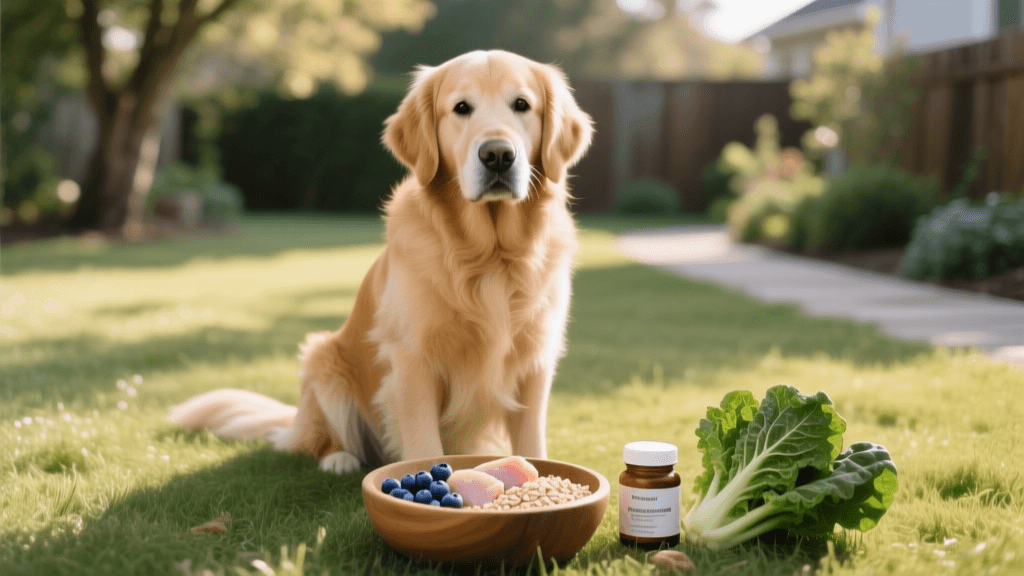
The Hidden Link Between Your Dog's Bowl and Their Brain
When we think of canine behavior, we often look to training methods, socialization history, or breed instincts. However, a revolutionary field of veterinary science is shifting our focus to an unlikely culprit: the digestive tract. The 'gut-brain axis' is a complex, bidirectional communication network that links the enteric nervous system of the gastrointestinal tract with the central nervous system. For dog owners seeking to understand sudden reactivity, chronic anxiety, or unexplained hyperactivity, a deep dive into canine nutrition and gut health is no longer optional—it is essential.
The Science of the Canine Microbiome and Behavior
The canine gut is home to trillions of microorganisms, collectively known as the microbiome. These bacteria do far more than digest food; they act as an active endocrine organ that produces vital neurotransmitters. In fact, approximately 90% of the body's serotonin—the hormone responsible for regulating mood, happiness, and anxiety—is synthesized in the gut, not the brain. When the balance of beneficial to harmful bacteria is disrupted (a state known as dysbiosis), it can directly manifest as profound behavioral changes.
According to research highlighted by the Tufts University Clinical Nutrition Service, the microbiome communicates with the brain via the vagus nerve, immune system signaling, and the production of short-chain fatty acids (SCFAs) like butyrate. Butyrate helps maintain the integrity of the blood-brain barrier and reduces neuroinflammation. When a dog's diet lacks the necessary prebiotic fibers to feed these beneficial bacteria, SCFA production drops, potentially leaving the dog more susceptible to stress, fear, and environmental triggers.
The Role of the Vagus Nerve in Canine Training
The vagus nerve is the physical superhighway connecting the gut and the brain. When a dog experiences gastrointestinal distress or inflammation, the vagus nerve sends distress signals directly to the amygdala, the brain's fear center. This means that a dog with an upset stomach or chronic gut inflammation is biologically primed for a 'fight or flight' response. If you are struggling with a dog that seems unable to focus during training sessions or reacts explosively to minor triggers, their vagus nerve may be stuck in a state of chronic overstimulation due to poor dietary choices or underlying food sensitivities.
Signs Your Dog's Behavior is Linked to Gut Health
How do you know if your dog's behavioral issues are rooted in their diet? While only a veterinary behaviorist can provide a definitive diagnosis, several overlapping signs suggest a gut-brain disconnect:
- Unexplained Reactivity: Sudden lunging or barking at familiar stimuli, often accompanied by loose stools, excessive gas, or sensitive digestion.
- Chronic Lethargy or 'Brain Fog': A lack of interest in training or play, frequently seen in dogs fed highly processed diets devoid of fresh antioxidants and Omega fatty acids.
- Compulsive Behaviors: Excessive paw licking, tail chasing, or flank sucking, which can be exacerbated by systemic inflammation originating in the gut lining.
- Generalized Anxiety: Pacing, panting, and an inability to settle, particularly during environmental changes, boarding, or thunderstorms.
Behavior is often the tip of the iceberg. When a dog's gastrointestinal tract is inflamed, their threshold for stress plummets. A dog that appears 'stubborn' or 'aggressive' may actually be experiencing profound physical discomfort and neurochemical imbalance.
Key Nutrients and Probiotic Strains for a Calmer Dog
Not all probiotics and supplements are created equal. When targeting behavioral health, specific strains and nutrients have been clinically shown to influence canine psychology. Below is a comparison of targeted nutritional interventions for behavioral support.
| Nutrient / Strain | Behavioral Benefit | Common Product Example | Estimated Monthly Cost |
|---|---|---|---|
| Bifidobacterium longum (BL999) | Reduces anxiety, barking, and jumping; promotes calmness in stressful situations. | Purina Pro Plan Calming Care | $40 - $50 |
| Lactobacillus rhamnosus | Lowers cortisol levels; aids in stress recovery and gut lining repair. | Multi-strain veterinary probiotics | $25 - $35 |
| Omega-3 Fatty Acids (EPA/DHA) | Reduces neuroinflammation; supports cognitive function and mood in seniors. | Nordic Naturals Omega-3 Pet | $20 - $30 |
| L-Theanine | Increases dopamine and GABA; promotes relaxation without causing sedation. | Zesty Paws Calming Bites, Solliquin | $30 - $45 |
Practical Guide: Building a Behavior-Supporting Diet
Transitioning your dog to a gut-friendly, behavior-supporting diet requires a strategic approach. The World Small Animal Veterinary Association (WSAVA) emphasizes that any dietary changes must maintain complete and balanced nutrition while addressing individual health needs. Here is a step-by-step protocol to support your dog's gut-brain axis:
Step 1: Audit and Upgrade the Base Diet
Ultra-processed kibble often contains high levels of advanced glycation end-products (AGEs), which can trigger systemic inflammation and negatively impact cognitive function over time. Consider incorporating fresh, whole-food toppers. Adding 1 tablespoon of plain, unsweetened kefir or a sardine packed in water (rich in natural EPA/DHA) to your dog's daily meals can introduce diverse microbes and essential fatty acids for less than $1.00 a day.
Step 2: Introduce Targeted Prebiotics
Probiotics cannot survive without prebiotics (the fiber that feeds them). Introduce prebiotic-rich foods gradually to avoid gas and bloating. A general measurement guideline is 1 teaspoon of plain canned pumpkin puree or steamed, mashed sweet potato per 10 pounds of body weight daily. This provides the soluble fiber necessary for the bacterial production of calming SCFAs.
Step 3: Administer Probiotics Correctly
Timing is critical. Stomach acid can destroy beneficial bacteria before they reach the intestines. Always administer probiotic supplements with a meal, as food buffers the stomach acid and raises the pH, allowing the bacteria to survive the transit. If using a targeted behavioral supplement like BL999, consistency is key; it typically takes 4 to 6 weeks of daily administration to observe significant shifts in reactivity and anxiety levels.
The Impact of Food Sensitivities on Canine Reactivity
Food intolerances are frequently misdiagnosed as purely environmental allergies or behavioral flaws. When a dog consumes a protein or carbohydrate they cannot properly digest, the resulting intestinal inflammation triggers an immune response. This systemic inflammation releases cytokines, which can cross the blood-brain barrier and induce 'sickness behavior'—a state characterized by lethargy, irritability, and a lowered bite threshold. According to insights from the Purina Institute, managing the microbiome through targeted nutrition and elimination diets can dramatically reduce these inflammatory cytokines, effectively 'turning down the volume' on a dog's reactivity.
When to Consult a Professional
While nutrition is a powerful tool for behavioral modification, it is not a replacement for professional training or veterinary medicine. If your dog exhibits severe aggression, self-mutilation, or debilitating phobias, consult a board-certified veterinary behaviorist. They can work in tandem with a veterinary nutritionist to create a holistic protocol that combines psychopharmacology, behavior modification, and targeted gut-health therapies.
Conclusion
Understanding your dog requires looking beyond the surface of their actions and examining the biological machinery that drives them. The gut-brain axis proves that a calm mind starts with a healthy gut. By auditing their diet, introducing targeted prebiotics and probiotics, and reducing inflammatory triggers, you can profoundly influence your dog's emotional state. Nutrition is not just about physical vitality; it is the foundational building block of canine psychology, emotional regulation, and long-term behavioral resilience.
hannah-wickes
All our authors care for dogs every day — read more of their work on the authors page.