How The Gut-Brain Axis Affects Your Dog's Behavior
Discover how the gut-brain axis influences your dog's behavior, anxiety, and focus. Learn actionable diet tips, specific supplements, and feeding strategies.
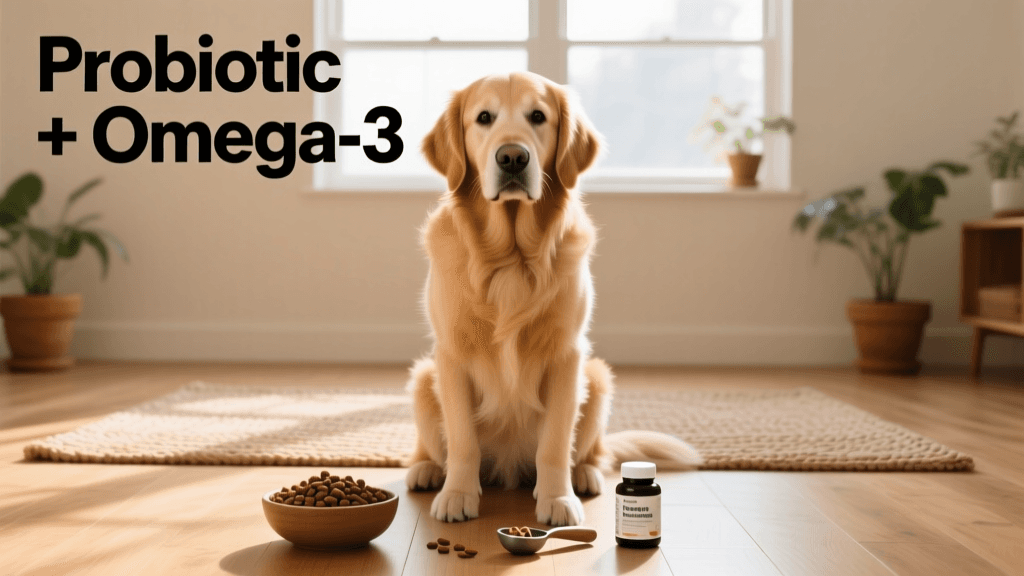
The Hidden Link Between Your Dog's Belly and Brain
Have you ever noticed your dog becoming unusually reactive, anxious, or unable to focus during training sessions? While many pet parents and even some professional trainers immediately look to environmental triggers, past trauma, or behavioral conditioning, the root cause of your dog's psychological state might actually be sitting in their food bowl. The intersection of canine psychology and nutrition is one of the most exciting frontiers in veterinary science. Welcome to the deep dive into the canine gut-brain axis.
Understanding your dog requires looking beyond basic obedience and examining their internal biology. Just like in humans, a dog's gastrointestinal tract is home to trillions of microorganisms that communicate directly with the brain. When this ecosystem is unbalanced, it can manifest as leash reactivity, separation anxiety, hyperactivity, or even resource guarding. By leveraging targeted nutritional strategies, you can fundamentally alter your dog's behavioral baseline, creating a calmer, more focused, and emotionally resilient companion.
The Biological Highway: Understanding the Vagus Nerve
To understand why diet affects behavior, we must look at the vagus nerve. This massive cranial nerve acts as a biological superhighway, connecting the brainstem directly to the gut. It is the primary physical component of the gut-brain axis. Through this pathway, the microbes in your dog's intestines send chemical signals to the brain, influencing mood, stress responses, and cognitive function.
Remarkably, approximately 90% of the body's serotonin—the neurotransmitter responsible for regulating mood, happiness, and anxiety—is produced in the gut, not the brain. If your dog is consuming a diet high in inflammatory ingredients, or if they lack the necessary prebiotic fiber to feed beneficial bacteria, serotonin production plummets. The result? A dog that is chronically stressed, easily triggered by passing dogs on walks, and unable to 'settle' in the home. According to the Tufts University Cummings Veterinary Medical Center Clinical Nutrition Service, gastrointestinal health is inextricably linked to systemic wellness, which inherently includes neurological and behavioral stability.
Key Nutrients That Dictate Canine Mood and Reactivity
Not all calories are created equal when it comes to canine psychology. Certain nutrients act as direct precursors to calming neurotransmitters, while others help build the structural integrity of the brain and nervous system. If you are dealing with a hyperactive or anxious dog, auditing their intake of the following compounds is a critical first step.
Omega-3 Fatty Acids (EPA and DHA)
Omega-3s are potent anti-inflammatories that cross the blood-brain barrier. They reduce neuroinflammation, which is often a hidden culprit in age-related cognitive decline and sudden onset anxiety or aggression in adult dogs. Eicosapentaenoic acid (EPA) specifically helps regulate the inflammatory cytokines that can trigger a 'fight or flight' response to minor stressors.
L-Theanine
An amino acid primarily found in green tea leaves, L-Theanine promotes the production of alpha brain waves, which are associated with a state of 'wakeful relaxation.' It is highly effective for dogs that suffer from noise phobias (thunderstorms, fireworks) or travel anxiety, as it calms the nervous system without causing drowsiness.
Targeted Probiotic Strains
Not all probiotics are created equal. While general gut health is important, specific strains have been clinically proven to alter behavior. Bifidobacterium longum BL999, for example, has been shown to reduce anxious behaviors, lower cortisol levels, and decrease barking in stressful situations.
Nutritional Behavioral Support: Comparison Chart
Below is a structured guide to the most effective behavioral supplements, including specific product types, recommended dosages for a medium-sized dog (30-50 lbs), and estimated monthly costs.
| Nutrient / Supplement | Behavioral Benefit | Recommended Dosage (30-50 lb Dog) | Est. Monthly Cost |
|---|---|---|---|
| Omega-3 Fish Oil (EPA/DHA) | Reduces neuroinflammation, improves focus | 1000mg - 1500mg combined EPA/DHA daily | $15 - $25 |
| L-Theanine | Promotes relaxation, reduces noise phobia | 200mg - 400mg as needed or daily | $12 - $20 |
| Bifidobacterium longum BL999 | Lowers cortisol, reduces anxious pacing/barking | 1 packet (approx. 10 billion CFU) daily | $30 - $45 |
| B-Complex Vitamins | Supports nervous system, aids stress recovery | Follow manufacturer weight guidelines | $10 - $15 |
Actionable Protocol: Modifying Diet to Reduce Anxiety
Knowing the science is only half the battle. To truly understand and help your dog, you must implement a structured, actionable nutritional protocol. Here is a step-by-step guide to stabilizing your dog's mood through dietary management.
Step 1: Stabilize Blood Sugar to Prevent Hyperactivity
Many commercial dog foods are packed with high-glycemic carbohydrates like corn, wheat, and white rice. These ingredients cause rapid spikes and subsequent crashes in blood glucose. When a dog's blood sugar crashes, the body releases adrenaline and cortisol to compensate, resulting in sudden bursts of hyperactivity, irritability, and an inability to focus on training cues.
Action: Transition your dog to a diet where the primary carbohydrate sources are complex, low-glycemic options like sweet potatoes, oats, or barley. Furthermore, abandon 'free-feeding' (leaving a bowl of kibble out all day). Instead, feed your dog exactly 12 hours apart (e.g., 7:00 AM and 7:00 PM). This timing stabilizes insulin levels, providing a steady stream of energy to the brain and preventing the hormonal crashes that trigger reactive behavior.
Step 2: Introduce Targeted Probiotics for Stress
If your dog exhibits signs of chronic stress—such as excessive panting, shedding, lip licking, or an inability to sleep through the night—it is time to introduce a psychobiotic (a probiotic that positively affects mental health).
Action: Consider a veterinary-formulated supplement like Purina Pro Plan Veterinary Diets Calming Care, which contains the patented BL999 strain. Alternatively, look for supplements containing Bacillus coagulans or Lactobacillus rhamnosus. Administer the probiotic 30 minutes before a known stressor (like a grooming appointment or a loud holiday) or as a daily baseline for general anxiety. Expect to wait 4 to 6 weeks of consistent daily use before observing significant behavioral shifts, as it takes time for the gut microbiome to restructure and begin optimizing serotonin production.
Step 3: Eliminate Inflammatory Triggers Masking as 'Bad Behavior'
One of the most misunderstood concepts in canine psychology is the link between physical discomfort and aggression. A dog suffering from chronic, low-grade gut inflammation or food sensitivities (often to common proteins like chicken or beef) is in a constant state of physical irritation. This irritation lowers their 'bite threshold' and makes them highly susceptible to resource guarding and leash reactivity. They aren't necessarily 'dominant' or 'mean'; they simply feel terrible and lack the emotional bandwidth to tolerate environmental stress.
Action: If your dog has concurrent behavioral issues and physical symptoms like itchy paws, chronic ear infections, or loose stools, initiate an 8-to-12-week strict elimination diet. Use a novel protein (like rabbit, venison, or alligator) or a hydrolyzed protein diet prescribed by your vet. The World Small Animal Veterinary Association (WSAVA) emphasizes that proper nutritional assessment is a vital pillar of overall patient care, which inherently includes resolving dietary intolerances that degrade quality of life and behavioral stability.
The Psychology of Resource Guarding and Gut Health
Resource guarding is a complex behavioral issue rooted in survival instincts and anxiety. While training protocols (like 'trading up' for high-value treats) are essential, nutrition plays a surprising supporting role. Dogs with poor gut health often suffer from malabsorption, meaning they are not getting adequate micronutrients from their food, even if they are eating a premium diet. This hidden nutritional deficit can trigger a primal, instinctual drive to hoard and guard resources, as the dog's body is subconsciously signaling a state of scarcity.
By ensuring your dog's gut lining is healthy and capable of absorbing vital minerals like magnesium and zinc—both of which are crucial for neurological calmness—you can reduce the underlying biological panic that fuels guarding behaviors. Adding a high-quality, species-appropriate digestive enzyme to their meals can help break down food more efficiently, ensuring the brain gets the nutrients it needs to feel secure and satiated.
When to Consult a Professional
While dietary interventions can yield profound results, they are not a replacement for professional behavioral modification or veterinary medicine. If your dog is displaying severe aggression, self-mutilation, or debilitating separation anxiety, you must consult a board-certified veterinary behaviorist. They can help you safely integrate nutritional therapies with pharmaceutical interventions if necessary.
For general wellness and dietary planning, the American Kennel Club (AKC) provides extensive resources on matching your dog's specific life stage and activity level to the correct nutritional profile, ensuring their brain and body are fully supported.
Summary: Feeding the Mind Through the Stomach
Understanding your dog means recognizing them as a complex, interconnected biological system. The gut-brain axis proves that behavior is not just a product of training and environment; it is deeply influenced by the microscopic ecosystem within their digestive tract. By stabilizing blood sugar, eliminating inflammatory triggers, and supplementing with targeted psychobiotics and Omega-3s, you can dramatically improve your dog's emotional regulation. A calm gut leads to a calm mind, transforming a reactive, anxious dog into a focused, confident, and happy companion.
marcus-aldridge
All our authors care for dogs every day — read more of their work on the authors page.