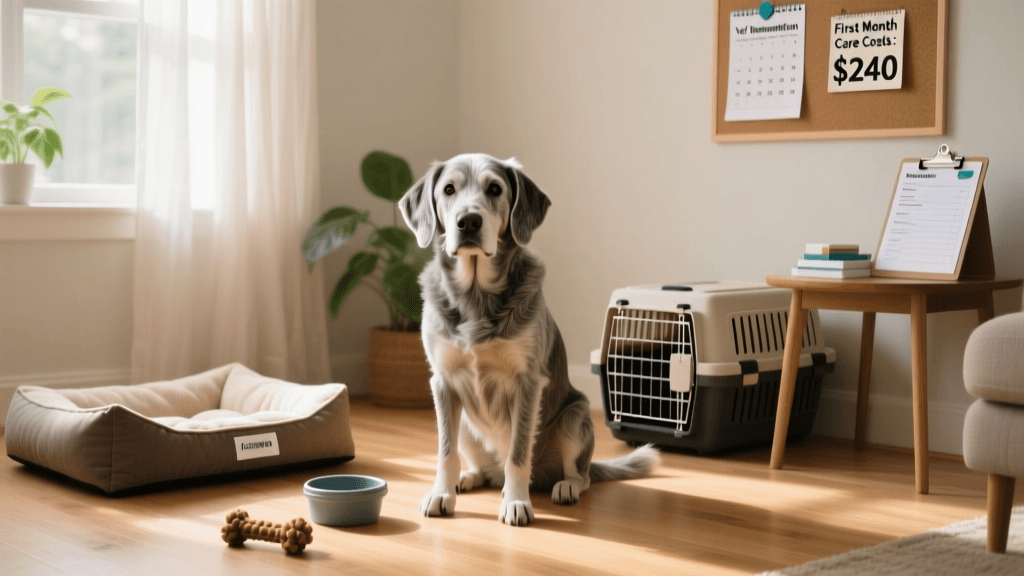
Essential First-Day Dog Gear: Ultimate Buyer Guide
Discover the best first-day dog gear with our expert buyer's guide. Compare top crates, harnesses, and beds to prepare your home for a new puppy or rescue.
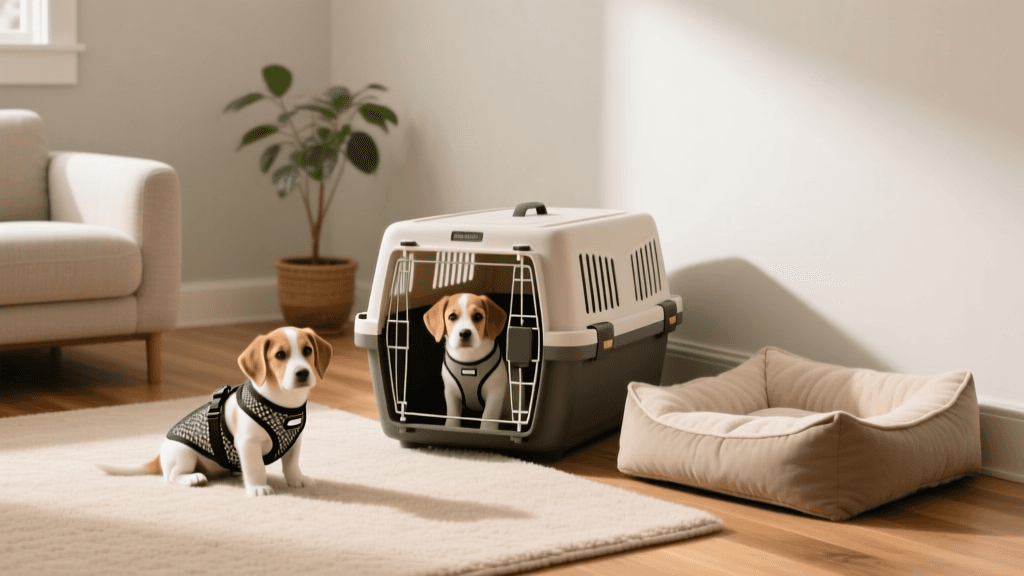
Bringing Your New Dog Home: Beyond the Basics
Bringing a new dog or puppy home is one of the most exciting milestones in a pet owner's life. However, the sheer volume of pet products on the market can quickly turn excitement into overwhelm. Walking into a pet supply store or browsing online retailers reveals thousands of options for crates, harnesses, bowls, and beds. How do you know what is actually necessary for day one, and what can wait?
According to the American Kennel Club's puppy shopping guidelines, preparing your home before your dog arrives is critical for establishing a safe, structured environment. This comprehensive buyer's guide cuts through the marketing noise to bring you practical, actionable advice on the essential first-day dog gear you need. We will cover specific measurements, material recommendations, and estimated costs to ensure you are fully prepared for your new companion's arrival.
The Crate: Your Dog's First Safe Haven
A crate is not just a training tool; it is your dog's personal sanctuary. For the first day and beyond, a crate provides a secure space where your new dog can decompress from the stress of relocation. When shopping for a crate, sizing is the most critical factor. The general rule of thumb is that your dog should be able to stand up without their head touching the top, turn around comfortably, and lie down stretched out. For growing puppies, purchase a crate sized for their estimated adult weight and use a movable divider panel to restrict space, which aids significantly in housebreaking.
Top Crate Picks and Sizing Guide
- MidWest Homes for Pets iCrate (Wire): The gold standard for wire crates. It features a durable electro-coated finish and dual latching doors. A 36-inch crate (36x23x25 inches) is ideal for medium breeds (40-70 lbs) and costs around $65.
- Petmate Sky Kennel (Plastic): Excellent for dogs that prefer a den-like, enclosed atmosphere or for owners who plan to travel by air. The heavy-duty plastic shell provides security and limits visual stimuli, which can calm anxious rescues. Expect to pay around $80 for a large size.
- Frisco Indoor/Outdoor Soft Crate: Best suited only for fully crate-trained adult dogs who do not chew. Not recommended for first-day puppies or anxious rescues due to the mesh panels that can be easily torn.
| Crate Type | Durability | Airflow & Visibility | Best For | Price Range |
|---|---|---|---|---|
| Wire (Metal) | High | Excellent | Puppies, house-training, home use | $50 - $90 |
| Plastic (Airline) | High | Low (Den-like) | Anxious dogs, travel, chewers | $60 - $120 |
| Soft-Sided (Mesh) | Low | Good | Trained adults, temporary travel | $30 - $60 |
Harnesses vs. Collars: The Ride Home and First Walks
While a flat collar with an ID tag is a legal necessity and should be worn at all times, a collar is not the safest option for walking a new dog, especially a puppy or a strong rescue. Pulling on a collar puts direct pressure on the trachea and cervical spine. The AKC recommends using a harness for walking to distribute pressure evenly across the dog's chest and shoulders.
Buyer's Guide: Best Starter Harnesses
For the first day, you need a harness that is easy to put on a potentially nervous dog and offers control without causing discomfort.
- Ruffwear Front Range Harness ($39.95): A premium, padded harness with two leash attachment points (front and back). The front chest clip is invaluable for gently redirecting dogs that pull. It requires slipping over the head, which may startle some fearful rescues.
- Kurgo Tru-Fit Smart Harness ($25.00): Designed with a nest-like buckling system that doesn't require pulling over the head. It features a front no-pull ring and is crash-tested for car travel, making it the perfect dual-purpose choice for the car ride home and subsequent walks.
Measurement Tip: To size a harness correctly, use a soft tailor's tape measure to find the widest part of your dog's ribcage (the girth). Add two inches to this measurement for comfort and adjustability.
Food and Water Bowls: Material and Ergonomics
The bowls you choose impact your dog's hygiene, digestion, and joint health. Avoid plastic bowls entirely; they harbor bacteria in microscopic scratches and can cause canine acne or contact dermatitis on the chin and muzzle.
Recommended Bowl Setups
- Stainless Steel (e.g., Yeti Boomer Dog Bowl, $40.00): Stainless steel is non-porous, dishwasher safe, and highly durable. The Yeti Boomer is heavy enough that it won't slide across the kitchen floor while your dog eats, and its rubberized bottom protects your flooring.
- Ceramic (e.g., Bone Dry Ceramic Pet Bowl, $25.00): Ceramic is heavy and aesthetically pleasing, but you must ensure it is certified lead-free. Check for chips regularly, as damaged ceramic can harbor bacteria just like plastic.
- Slow Feeders (e.g., Outward Hound Fun Feeder, $15.00): If you are adopting a dog with a history of food scarcity or a large breed puppy prone to bloat, a slow feeder is a day-one essential. The maze-like ridges force the dog to eat at a slower, safer pace, reducing the risk of gastric dilatation-volvulus (GDV) and improving digestion.
Beds and Bedding: Comfort vs. Durability
Creating a comfortable resting area is vital for your dog's physical and mental recovery. However, buying an expensive, plush orthopedic bed for a teething puppy or a highly anxious rescue is often a costly mistake. Fear Free Pets emphasizes that a dog's resting space should be associated with safety and positive reinforcement, but the bedding must also withstand the initial adjustment period, which may include chewing or accidents.
Top Bed Recommendations
- For Puppies and Chewers: Kuranda Chewproof Dog Cot ($130.00). This elevated, aluminum-frame bed is virtually indestructible. The Cordura fabric is abrasion-resistant and allows air to circulate, keeping the dog cool. While it lacks plush cushioning, it guarantees safety from ingested stuffing.
- For Adult Dogs and Seniors: K&H Pet Products Original Bolster Pet Cot ($45.00). A great middle-ground that offers elevation for joint relief but features a softer, breathable mesh center that is machine washable.
- For Inside the Crate: MidWest QuietTime Fleece Crate Mat ($15.00). A simple, inexpensive fleece pad. If a puppy has an accident or chews it up, it is easily replaced without breaking the bank.
First-Day Gear Budget Breakdown
Setting a realistic budget helps prevent overspending on gimmick products while ensuring you don't skimp on safety essentials. Below is a realistic cost breakdown for high-quality, first-day gear for a medium-sized dog.
| Item Category | Recommended Product Type | Estimated Cost | Priority Level |
|---|---|---|---|
| Crate | Wire Crate with Divider | $65.00 | Essential |
| Walking Gear | Front-Clip No-Pull Harness | $30.00 | Essential |
| Collar & ID | Nylon Flat Collar + Engraved Tag | $20.00 | Essential |
| Food/Water Bowls | Stainless Steel + Slow Feeder | $35.00 | Essential |
| Bedding | Elevated Cot + Washable Crate Mat | $50.00 | High |
| Leash | 6-Foot Standard Nylon or Leather | $15.00 | Essential |
| Enzymatic Cleaner | Nature's Miracle or Rocco & Roxie | $20.00 | Essential |
| Total Estimated Budget | $235.00 |
Expert Tips for the First 48 Hours
'The first 48 hours are about decompression, not strict obedience training. Keep the environment quiet, limit visitors, and let the dog explore their new safe spaces at their own pace.'
- Pre-Scent the Crate: Before bringing your dog home, place a blanket that smells like their littermates or previous foster home inside the crate. Familiar scents drastically reduce first-night crying.
- Use a Long Line in the Yard: Even if your new dog seems comfortable, do not let them off-leash in an unfenced area. Dogs in the 'honeymoon phase' may seem bonded, but a sudden loud noise can trigger a flight response. Use a 15-foot biothane long line for safe yard exploration.
- Establish a Potty Schedule Immediately: Take the dog out to their designated potty spot immediately upon arriving home, after every meal, after naps, and right before bed. Use a high-value treat (like boiled chicken or freeze-dried liver) to reward successful outdoor elimination.
- Limit the Tour: Do not give your new dog the run of the entire house on day one. Restrict them to a single, puppy-proofed room or a gated area attached to the kitchen. Expanding their territory too quickly can lead to territorial marking and anxiety.
Conclusion
Investing in the right first-day dog gear sets the foundation for a lifetime of trust and good habits. By prioritizing safety, durability, and your dog's physical comfort over aesthetic trends, you ensure that your new companion feels secure from the moment they cross your threshold. Use this buyer's guide to curate your shopping list, measure your spaces accurately, and prepare your home for the wonderful journey of dog ownership.
hannah-wickes
All our authors care for dogs every day — read more of their work on the authors page.