Adding Green Tripe and Kefir to Raw Dog Diets in 2026: A Guide
Discover how green tripe and kefir boost your dog's gut health. Learn safe portioning, sourcing, and raw feeding tips for fermented toppers in 2026.
The 2026 Shift Toward Fermented Canine Nutrition
In 2026, the canine nutrition landscape has moved far beyond basic kibble and standard raw meaty bones. Today’s health-conscious dog owners and veterinary nutritionists are heavily focused on the gut microbiome, recognizing that a dog’s digestive health is the cornerstone of their overall immunity, coat quality, and even behavioral stability. At the forefront of this movement are fermented raw toppers—specifically green tripe and kefir. These potent, living foods offer a spectrum of enzymes, probiotics, and bioavailable nutrients that synthetic supplements simply cannot replicate. Whether you are feeding a fully raw diet, a gently cooked regimen, or looking to elevate a high-quality kibble, incorporating green tripe and kefir can transform your dog’s health from the inside out.
Understanding Green Tripe: Nature’s Multivitamin
Green tripe is the unbleached, unprocessed stomach lining of ruminant animals, most commonly cows, sheep, or deer. Unlike the white tripe found in human grocery stores—which has been bleached and stripped of its nutritional value—green tripe retains its natural color, strong odor, and incredible nutritional profile. It is a staple in the raw feeding community because it acts as a natural multivitamin and digestive aid.
The Enzymatic and Probiotic Advantage
The true magic of green tripe lies in its partial digestion. Because ruminants have complex digestive systems that break down tough plant matter, their stomach lining is rich in active digestive enzymes such as amylase, lipase, and protease. When fed raw to dogs, these enzymes assist in breaking down the dog's meal, reducing the metabolic strain on the dog's pancreas. Furthermore, green tripe is naturally coated in beneficial gut bacteria and contains a near-perfect calcium-to-phosphorus ratio (approximately 1:1), making it an incredibly safe and balancing meat source for raw feeders.
Kefir: The Probiotic Powerhouse for Dogs
Kefir is a fermented milk drink that contains a vastly more diverse array of probiotic strains than standard yogurt. While yogurt typically contains a handful of transient bacterial strains, kefir boasts up to 60 different strains of beneficial bacteria and yeasts that can actually colonize the canine gut tract. In 2026, kefir has become a go-to remedy for dogs suffering from antibiotic-induced dysbiosis, chronic yeast infections, and inflammatory bowel issues.
Goat Milk vs. Cow Milk Kefir
When selecting kefir for your dog, the source of the milk matters immensely. Goat milk kefir is widely considered the superior choice for canine consumption. Goat milk naturally contains smaller fat globules and less lactose than cow milk, making it significantly easier for dogs to digest. It is also rich in caprylic acid, a medium-chain fatty acid known for its powerful anti-fungal properties, which is particularly beneficial for dogs battling Malassezia (yeast) overgrowth on their skin and in their ears.
Nutritional Comparison: Green Tripe vs. Kefir
To help you decide how to balance these two powerhouse ingredients in your dog's bowl, here is a detailed comparison of their primary benefits and feeding parameters for the average adult dog.
| Feature | Raw Green Tripe | Goat Milk Kefir |
|---|---|---|
| Primary Benefit | Digestive enzymes, calcium/phosphorus balance | Diverse probiotic colonization, anti-fungal |
| Best Used For | Daily meal base, picky eaters, pancreatic support | Antibiotic recovery, yeast issues, hydration |
| Serving Size (50lb Dog) | 4 to 8 ounces as part of a balanced meal | 1 to 2 tablespoons daily as a topper |
| 2026 Avg. Cost | $14 - $18 per pound (frozen) | $8 - $12 per quart (fresh) |
| Storage | Frozen or freeze-dried | Refrigerated (lasts 2-3 weeks) |
The 14-Day Introduction Protocol
Because both green tripe and kefir are biologically active and rich in microbes, introducing them too quickly can lead to gastrointestinal upset, including loose stools or excessive gas. Follow this structured 14-day protocol to safely acclimate your dog’s microbiome to these fermented foods.
- Days 1-3 (The Micro-Dose): Introduce only one new ingredient at a time. Start with kefir. Give 1/4 teaspoon for small dogs (under 20 lbs) or 1/2 teaspoon for medium/large dogs. Mix it into their regular food.
- Days 4-7 (Building Tolerance): If stools remain firm, increase the kefir to 1 teaspoon (small dogs) or 1 tablespoon (large dogs). Begin introducing a teaspoon of finely ground or canned green tripe.
- Days 8-11 (Ramping Up): Increase the green tripe to 10% of your dog's total daily meal volume. Maintain the current kefir dosage. Monitor your dog's energy levels and stool quality closely.
- Days 12-14 (Maintenance Phase): Reach your target feeding amounts. Green tripe can now make up to 10-15% of the overall raw diet or serve as a nutrient-dense topper for kibble. Kefir can be fed daily or cycled (e.g., 5 days on, 2 days off) to maintain microbial diversity.
Sourcing and Storing Raw Toppers in 2026
The supply chain for premium raw pet food ingredients has matured significantly by 2026. When sourcing green tripe, look for suppliers that practice regenerative agriculture and grass-fed farming. The nutritional density of the tripe is directly linked to the diet of the ruminant. Avoid feedlot-sourced tripe, which may contain traces of hormones or lack the diverse plant-based enzymes found in pasture-raised animals. Many top-tier raw food cooperatives now offer 'pre-ground' green tripe blends, which are convenient and eliminate the need to handle the notoriously pungent whole pieces. For kefir, while commercial pet-specific brands are widely available, many raw feeders in 2026 are opting to brew their own goat milk kefir at home using reusable heirloom kefir grains, ensuring a living, continuously adapting probiotic profile.
Safety, Handling, and Veterinary Guidelines
While the benefits of raw, fermented foods are vast, safety and hygiene must remain a top priority. Handling raw green tripe requires the same stringent protocols as handling raw meat for human consumption. According to the FDA guidelines on raw pet food safety, owners must thoroughly wash their hands, utensils, and preparation surfaces with hot, soapy water immediately after handling raw ingredients to prevent cross-contamination with pathogens like Salmonella or Listeria.
Furthermore, the CDC emphasizes the importance of safe handling of raw pet food, particularly in households with immunocompromised individuals, young children, or the elderly. In such environments, freeze-dried green tripe or pasteurized (though less potent) kefir alternatives may be recommended by your veterinarian to mitigate bacterial risks while still providing some nutritional benefits.
Always consult with a board-certified veterinary nutritionist before making sweeping changes to your dog's diet, especially if your dog has pre-existing conditions such as chronic kidney disease or a history of pancreatitis, as the rich fat content in some tripe and dairy products may need to be carefully managed.
Troubleshooting Common Issues
My dog's stool is soft after adding kefir.
This is a common sign of 'die-off' (Herxheimer reaction) or simple lactose overload. Reduce the kefir dose by half and ensure you are using goat milk kefir rather than cow milk. If the issue persists beyond 48 hours, pause the kefir and consult your vet.
The smell of green tripe is unbearable in my kitchen.
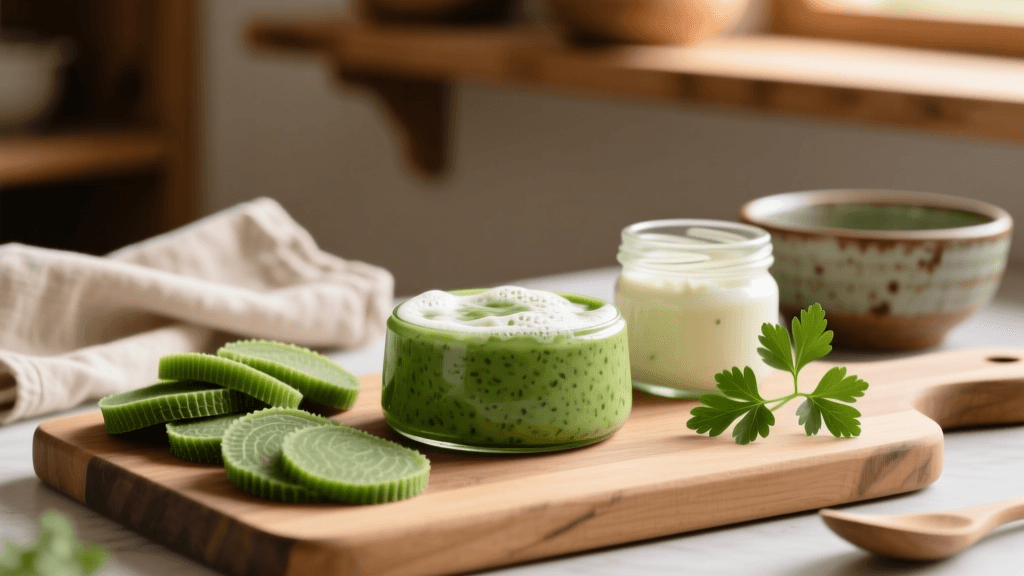
You are not alone; the odor of raw green tripe is famously pungent. To mitigate this, buy pre-portioned, vacuum-sealed frozen pucks and thaw only what you need in a sealed glass container in the fridge. Alternatively, high-quality freeze-dried green tripe toppers have become incredibly popular in 2026, offering 90% of the enzymatic benefits with a fraction of the odor and mess.
priya-sutaria
All our authors care for dogs every day — read more of their work on the authors page.