7 Best Quiet Dog Breeds for Apartments in 2026 Reviewed
Discover the 7 best quiet dog breeds for apartments in 2026. Learn about noise restrictions, low-bark traits, and tips for peaceful small-space living.
The 2026 Landscape of Apartment Noise Rules
As urban density continues to rise in 2026, the rules surrounding pet ownership in multi-family housing have become more sophisticated—and more stringent. According to the American Kennel Club, the demand for pet-friendly rentals has surged, but so have noise-related eviction notices. Many modern luxury apartments and condo associations now utilize smart acoustic monitoring systems in hallways and shared courtyards to automatically flag decibel spikes that violate community quiet hours.
For dog owners, this means that choosing a naturally vocal breed like a Beagle or a Husky can result in continuous lease violations, even if the barking only happens when you are away at work. The secret to harmonious apartment living is selecting a breed with a low propensity for vocalization, paired with proactive environmental management. Below, we explore the best quiet dog breeds for apartments in 2026, ensuring you and your neighbors can coexist peacefully.
Top 7 Quiet Dog Breeds for Small Spaces
1. Basenji: The Barkless Wonder
Famously known as the "barkless dog," the Basenji is uniquely equipped for apartment living. Due to the unusual shape of their larynx, Basenjis do not produce a traditional bark. Instead, they communicate through a yodel-like sound called a "baroo," which they only use when exceptionally excited. In a shared-wall environment, this trait is a massive advantage. Basenjis are fastidious, cat-like groomers and generally keep to themselves. However, they are highly intelligent and require rigorous daily mental stimulation to prevent destructive behaviors, even if they aren't noisy.
2. Greyhound: The 45-MPH Couch Potato
It is a common misconception that Greyhounds need massive yards and constant running. In reality, retired racing Greyhounds are notorious couch potatoes. They sprint for short bursts and then sleep for up to 18 hours a day. Indoors, they are remarkably quiet, gentle, and rarely bark at passing strangers or hallway noises. Their thin coats mean they are prone to getting cold, making them perfectly happy to snuggle under a blanket in a climate-controlled apartment all day. A single 30-minute leash walk is usually sufficient for their daily exercise needs.
3. Cavalier King Charles Spaniel
If you are looking for a small, affectionate companion who thrives on human connection, the Cavalier King Charles Spaniel is an elite choice. These dogs are incredibly adaptable and tend to mirror their owner's energy levels. They are far more likely to greet a neighbor with a wagging tail and a quiet sniff than with an alarm bark. Cavaliers do suffer from separation anxiety if left alone for excessive hours, so they are best suited for remote workers or hybrid professionals in 2026 who spend a significant portion of the week at home.
4. Whippet
Similar to the Greyhound but in a more compact, apartment-friendly package, the Whippet is a quiet, elegant sighthound. They are virtually silent indoors and are known for their sensitive, calm demeanor. Whippets rarely bark at the doorbell or at noises in the hallway. Because they have very low body fat, they are strictly indoor dogs who crave soft bedding and warmth. They are excellent candidates for high-rise living where outdoor space is limited to balcony potty pads or quick leash walks to a nearby green space.
5. French Bulldog
The Frenchie remains one of the most popular urban dogs in 2026, and for good reason. Their brachycephalic (flat-faced) anatomy means they tire out quickly and are entirely unsuited for intense, prolonged exercise. This naturally limits their energy levels indoors, resulting in a dog that prefers lounging over patrolling. While they can be stubborn during training, they are not known to be nuisance barkers. Note that while they don't bark much, they do snore, grunt, and make a variety of amusing (but usually quiet) snorting sounds.
6. Shih Tzu
Bred exclusively to be royal companions, the Shih Tzu has no working drive to herd, guard, or hunt. Consequently, they lack the instinct to bark at perceived "intruders" or moving shadows. They are happy to sit on a windowsill and watch the world go by in silence. Their exercise requirements are minimal—mostly consisting of indoor play and short neighborhood strolls. The primary commitment with a Shih Tzu is grooming; their luxurious coats require daily brushing or regular professional grooming to prevent painful matting in a small-space environment.
7. Boston Terrier
Often called the "American Gentleman," the Boston Terrier is a compact, tuxedo-coated breed that is notably quiet compared to other terrier varieties. While many terriers are bred to bark at underground prey, the Boston was bred for companionship. They are alert and will let you know if someone is at the door with a low "woof," but they rarely engage in sustained, hysterical barking fits. They are highly trainable, eager to please, and adapt beautifully to the rhythm of apartment life.
Breed Comparison Chart for Apartment Dwellers
When selecting your quiet companion, consider how their specific traits align with your daily routine and apartment layout.
| Breed | Weight Range | Energy Level | Bark Frequency | Best For |
|---|---|---|---|---|
| Basenji | 22-24 lbs | High | Virtually None (Yodels) | Active owners, puzzle-toy lovers |
| Greyhound | 60-70 lbs | Low (Indoors) | Very Low | Quiet households, couch potatoes |
| Cavalier | 12-18 lbs | Moderate | Low | Remote workers, affection seekers |
| Whippet | 25-40 lbs | Low (Indoors) | Very Low | High-rise living, minimal space |
| French Bulldog | 16-28 lbs | Low | Low | Busy urbanites, small studios |
| Shih Tzu | 9-16 lbs | Low | Low | Seniors, low-mobility owners |
| Boston Terrier | 12-25 lbs | Moderate | Low-Moderate | Families, first-time dog owners |
How to Test a Rescue Dog for Apartment Suitability
If you prefer to adopt rather than shop, finding a quiet mixed-breed dog is entirely possible in 2026. Many shelters now utilize standardized behavioral assessments, such as the SAFER test, to evaluate a dog's reaction to novel stimuli. When visiting a shelter, bring a set of keys and a small Bluetooth speaker. Drop the keys behind the dog to test their startle-and-recovery response; a dog that barks frantically and cannot settle is likely to react similarly to hallway noises. Play a recording of a doorbell or a knocking sound at a low volume. An ideal apartment dog will look toward the sound, perhaps offer a single alert bark, and then look back to you for guidance rather than spiraling into a barking frenzy. For more insights on canine behavioral triggers, the ASPCA's guide on common dog behavior issues is an invaluable resource for prospective adopters.
Soundproofing Your Apartment for Canine Success
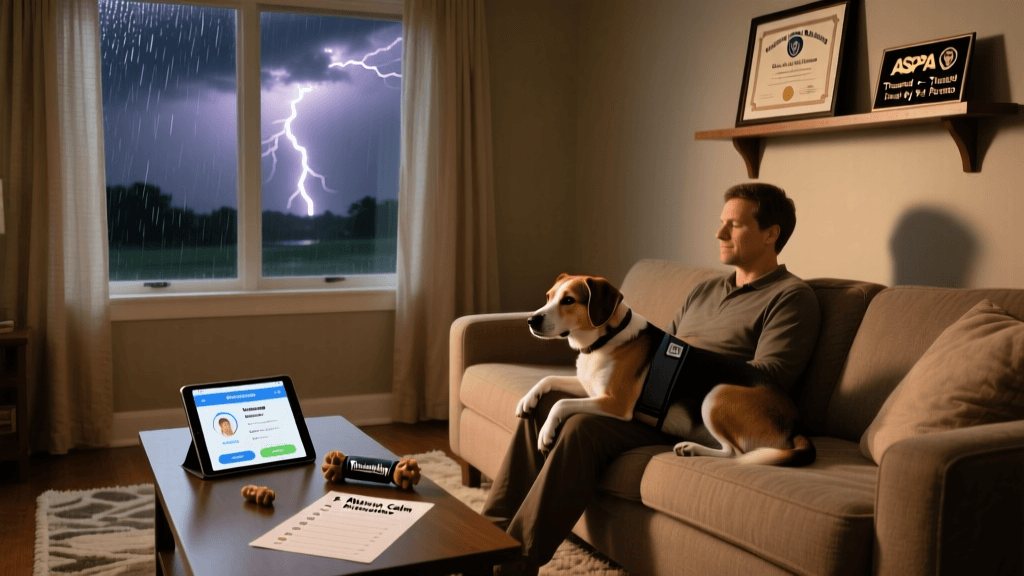
Even the quietest dog might whimper when startled by a thunderstorm or a neighboring renovation. Proactive acoustic management is a vital component of the 2026 apartment dog owner's toolkit. Start by laying down high-density, interlocking foam rugs or thick wool carpets. Hardwood and laminate floors reflect sound waves downward into the unit below you, amplifying the clicking of dog nails and dropped toys.
Next, invest in a high-fidelity white noise machine. Devices like the Hatch Restore 3 or the LectroFan Evo offer customized soundscapes that mask the unpredictable frequencies of hallway chatter and elevator dings. Place the machine near your front door or the shared bedroom wall. Finally, consider installing tension-mounted acoustic window inserts if your apartment faces a busy street. These inserts create a dead-air space that drastically reduces exterior noise pollution, keeping your dog's stress levels low and their vocal cords quiet.
Enrichment Strategies to Prevent Boredom Barking
A tired dog is a quiet dog, but physical exhaustion is only half the equation. Mental fatigue is actually more effective at promoting deep, restful sleep in apartment dogs. In 2026, the market for canine enrichment has exploded, offering brilliant solutions for small spaces. Ditch the standard food bowl and transition to foraging-based feeding.
- Snuffle Mats: Hide dry kibble in a dense fleece snuffle mat. It forces your dog to use their olfactory senses, burning mental energy equivalent to a two-mile walk.
- LickiMats: Spread plain Greek yogurt or dog-safe peanut butter on a textured silicone mat and freeze it. Licking releases endorphins in a dog's brain, naturally soothing anxiety and promoting silence while you are on a Zoom call.
- Automated Puzzle Toys: Smart toys that dispense treats on randomized timers keep your dog engaged and quietly working throughout the afternoon, preventing the boredom that leads to separation-induced barking.
Conclusion
Living in an apartment does not mean you have to sacrifice the joy of dog ownership. By selecting a breed with a naturally low propensity for barking, utilizing modern acoustic dampening techniques, and prioritizing mental enrichment, you can create a peaceful sanctuary for both you and your pet. As housing regulations continue to evolve in 2026, being a proactive, considerate dog owner ensures that your furry best friend remains a welcome member of your community for years to come.
priya-sutaria
All our authors care for dogs every day — read more of their work on the authors page.