Golden vs Labrador Retriever: First-Year Puppy Care
Compare Golden and Labrador Retriever puppy care. Discover first-year feeding, training, teething, and cost differences to choose your perfect companion.
The Great Retriever Debate: Golden vs. Labrador
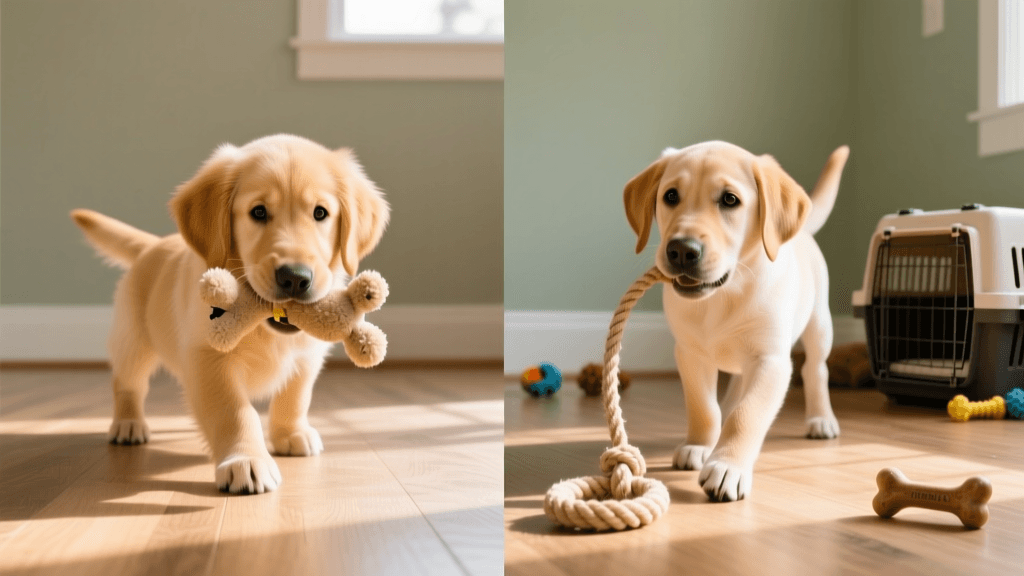
Welcoming a new puppy into your home is a monumental decision, and few breeds are as universally beloved as the Golden Retriever and the Labrador Retriever. Both breeds are renowned for their intelligence, loyalty, and family-friendly dispositions. However, when it comes to the critical first year of puppy care, subtle differences in their developmental milestones, nutritional needs, and behavioral quirks can significantly impact your daily routine. Whether you are preparing for a Golden or a Lab, understanding these nuances is essential for raising a well-adjusted adult dog.
Early Socialization and Temperament (8 to 16 Weeks)
The first sixteen weeks of a puppy's life represent the critical socialization window. During this time, puppies are highly impressionable, and their experiences shape their adult temperament. While both breeds are famously outgoing, their approaches to new stimuli differ slightly.
Golden Retrievers tend to be a bit more sensitive and observant. They thrive on gentle encouragement and positive reinforcement. A Golden puppy might hesitate before approaching a loud, unfamiliar object, requiring a patient owner who allows them to investigate at their own pace. Conversely, the American Kennel Club notes that Labrador Retrievers are often famously boisterous and eager to dive headfirst into new experiences. Lab puppies are typically highly food-motivated and energetic, which can make early training sessions highly rewarding but also demands strict impulse control exercises.
Pro Tip: For both breeds, enroll in a positive-reinforcement puppy kindergarten class by 10 weeks of age. Ensure all participating puppies have had their first round of DHPP vaccinations to maintain a safe environment.
Feeding Schedules and Growth Milestones
Proper nutrition during the first year is vital for large-breed puppies to prevent orthopedic issues like hip dysplasia. The American Veterinary Medical Association (AVMA) emphasizes the importance of feeding a diet specifically formulated for large-breed puppies to control their growth rate. Labrador Retrievers are notoriously prone to obesity due to a genetic mutation in the POMC gene, which affects their satiety signals. Therefore, strict portion control is non-negotiable for Lab puppies. Golden Retrievers, while also food-loving, generally have slightly more predictable appetite cues.
First-Year Feeding and Growth Comparison
| Milestone | Golden Retriever | Labrador Retriever |
|---|---|---|
| 8-12 Weeks | 3 meals/day (approx. 1.5 - 2 cups total) | 3 meals/day (approx. 1.5 - 2 cups total) |
| 3-6 Months | 3 meals/day, transitioning to 2 meals/day at 6 months | 3 meals/day, strict portioning to prevent rapid weight gain |
| 6-Month Weight | Approx. 35-45 lbs | Approx. 40-50 lbs (Labs often mature physically faster) |
| 12-Month Weight | 55-70 lbs (Males) | 60-75 lbs (Males) |
| Dietary Focus | Joint support (Glucosamine/Chondroitin) | Weight management & joint support |
Always measure your puppy's food using a standard measuring cup or a digital kitchen scale rather than estimating. Brands like Purina Pro Plan Large Breed Puppy or Royal Canin Large Puppy are excellent choices that meet WSAVA guidelines for large-breed growth.
Potty Training and Crate Training Dynamics
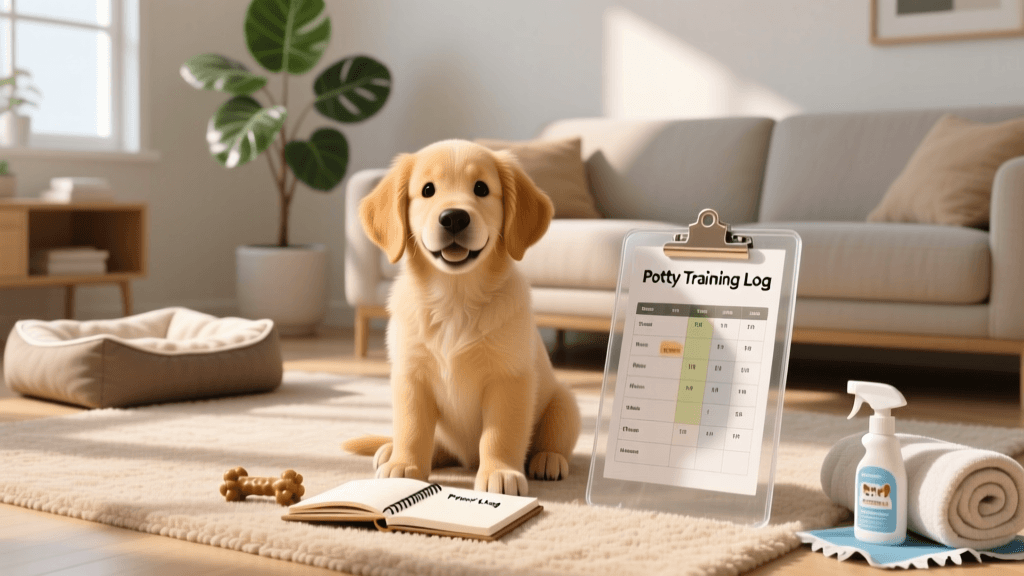
Both Golden and Labrador puppies are highly eager to please, which generally makes potty training a straightforward process if consistency is maintained. Take your puppy outside immediately after waking up, after every meal, and after vigorous play sessions. Use a specific verbal cue like 'Go potty' and reward with a high-value treat immediately upon elimination.
Crate training is equally important for both breeds to ensure safety and aid in housebreaking. However, their nighttime behaviors can vary. A Golden puppy might whine softly out of loneliness or anxiety. Using a product like the Snuggle Puppy with Heartbeat can mimic the presence of littermates and soothe a Golden's nerves. A Labrador puppy, on the other hand, is more likely to throw a loud, vocal protest out of sheer boredom or frustration. Providing a durable, safe chew toy in the crate and ensuring they are thoroughly exercised before bedtime will help curb Lab puppy protests.
Teething and Managing the 'Retriever Mouth'
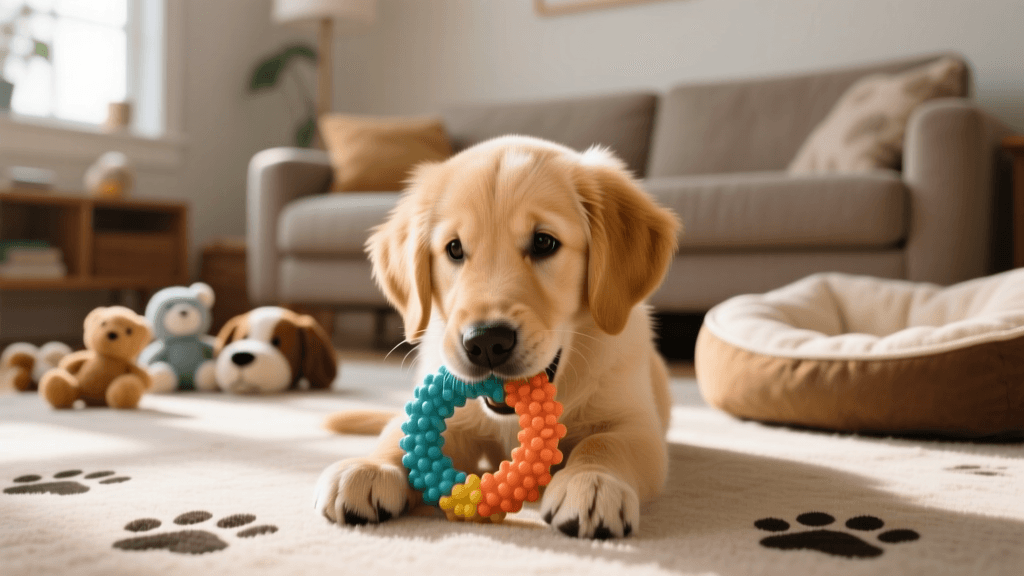
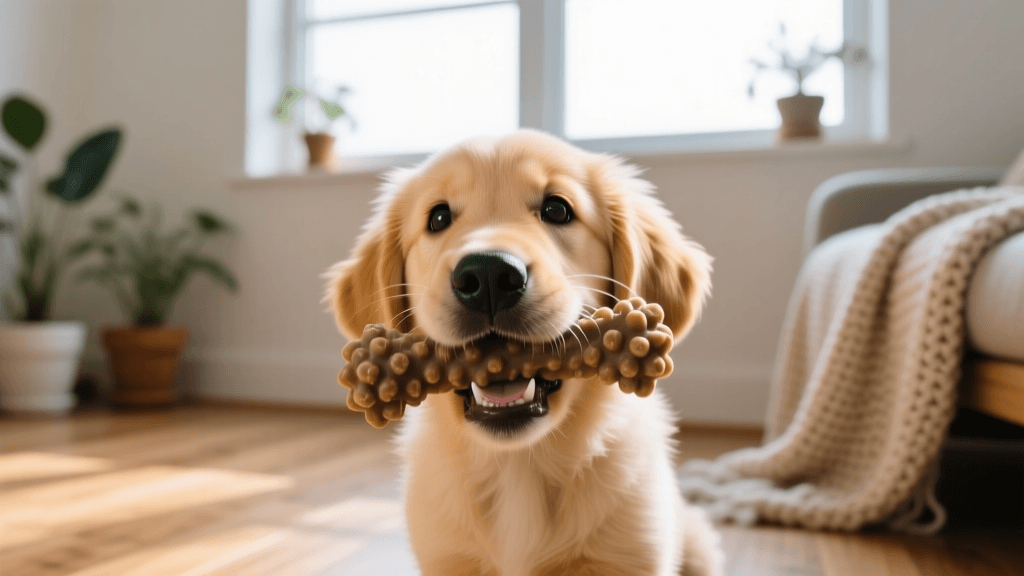
Retrievers are genetically hardwired to carry things in their mouths. During the teething phase, which peaks between 12 and 20 weeks of age, this instinct is amplified by sore gums. You must provide appropriate outlets to save your furniture and fingers.
- For Golden Retrievers: They often prefer softer textures during peak teething pain. Freeze a damp washcloth or use a KONG Puppy Toy filled with plain yogurt and blueberries to soothe their gums.
- For Labrador Retrievers: Labs possess incredible jaw strength and can destroy softer toys rapidly. Invest in heavy-duty options like the Nylabone Power Chew or the KONG Classic (Red/Black) to withstand their aggressive chewing style.
Never punish a puppy for chewing; instead, redirect them to an approved toy and praise them enthusiastically when they engage with it.
First-Year Financial Breakdown
Budgeting for a puppy's first year is crucial. While the initial purchase or adoption fee varies wildly, the ongoing care costs for Goldens and Labs are remarkably similar, though Labs may incur slightly higher food costs due to their larger average size and insatiable appetites.
Estimated First-Year Care Costs
| Expense Category | Golden Retriever | Labrador Retriever |
|---|---|---|
| Initial Vet & Vaccines | $300 - $500 | $300 - $500 |
| Spay/Neuter Surgery | $400 - $700 | $400 - $700 |
| High-Quality Puppy Food | $600 - $800 | $700 - $900 |
| Preventatives (Flea/Tick/Heartworm) | $200 - $300 | $200 - $300 |
| Toys & Chews | $150 - $250 | $200 - $350 (Higher destruction rate) |
| Group Training Classes | $150 - $250 | $150 - $250 |
| Total Estimated First Year | $1,800 - $2,800 | $1,950 - $3,000 |
Essential Health Screenings
Both breeds are susceptible to specific hereditary conditions. According to the AKC's Golden Retriever breed profile, responsible breeders should screen for hip and elbow dysplasia, as well as specific cardiac and eye conditions. Similarly, Labs are prone to Exercise-Induced Collapse (EIC) and hip dysplasia. While you cannot perform definitive orthopedic screenings on an 8-week-old puppy, you must request the parents' OFA (Orthopedic Foundation for Animals) certifications from your breeder before bringing your puppy home.
During your puppy's first year, your veterinarian will monitor their joint development. Avoid forced exercise, such as jogging or repetitive jumping for frisbees, until your puppy's growth plates have closed, typically between 12 and 18 months of age.
Conclusion: Choosing Your Perfect Companion
Ultimately, both the Golden Retriever and the Labrador Retriever make exceptional family companions. If you prefer a slightly softer, more observant puppy and are prepared for meticulous grooming as their coat matures, the Golden may be your ideal match. If you have an active lifestyle, prefer a more robust and boisterous playmate, and are ready to strictly manage their diet, the Labrador is an unparalleled choice. By understanding these breed-specific care requirements, you can ensure your new puppy thrives through their crucial first year and beyond.
beth-carrasco
All our authors care for dogs every day — read more of their work on the authors page.