Dog-Proofing Your Home: Diagnosing and Solving Hazards
Discover how to diagnose hidden home hazards and solve them before bringing your new dog home. Expert tips on puppy-proofing every room effectively.
The Hidden Dangers of a Ready Home
Bringing a new dog home is an exhilarating milestone, but it often triggers a cascade of unforeseen problems. New owners frequently diagnose their home as safe based on a human perspective, only to find their new puppy chewing on electrical cords, ingesting toxic foods, or destroying valuable furniture within the first 48 hours. The core problem is a fundamental misunderstanding of how dogs interact with their environment. Dogs, particularly puppies and adolescent rescues, explore the world primarily through their mouths and noses. What looks like a harmless living room to you is a minefield of choking hazards, toxic substances, and destructive temptations to them.
According to the American Kennel Club, thousands of puppies end up in emergency veterinary clinics every year due to preventable household hazards. The financial cost of an emergency vet visit for gastrointestinal blockages or toxin ingestion can easily range from $1,500 to $4,000. By shifting your perspective from a problem-reaction mindset to a proactive diagnosis-and-solution approach, you can save your belongings, your wallet, and your dog's life.
Diagnosing the Problem: The Ground-Level Audit
The most effective way to diagnose environmental hazards is to physically change your perspective. Humans view homes from a standing position, roughly five to six feet off the ground. Dogs view the world from the floor up to about three or four feet. To properly audit your home, you must get down on your hands and knees. Crawl through every room your dog will have access to and look for dangling wires, small objects that have rolled under the sofa, and low-hanging tablecloths that a curious paw could pull down.
The most common mistake new dog owners make is assuming their pet will inherently know what is off-limits. Dogs do not possess human logic; they possess curiosity. If an item is accessible, it is fair game for investigation.
During your audit, pay special attention to baseboards, the space behind toilets, and the area beneath beds. These are prime locations for dropped pills, hair ties, coins, and small children's toys—all of which are severe choking or intestinal blockage hazards for a dog under 40 pounds.
Room-by-Room Solutions to Common Puppy Hazards
The Kitchen: Toxins and Trash Raids
The Problem: The kitchen is arguably the most dangerous room for a new dog. Countertops often harbor toxic foods like grapes, onions, garlic, and sugar-free gum containing xylitol. Xylitol is highly toxic to dogs, causing a rapid, life-threatening drop in blood sugar and liver failure. Furthermore, an unsecured trash can is an all-you-can-eat buffet that can lead to fatal gastrointestinal obstructions from cooked bones or corn cobs.
The Solution: Do not rely on training a puppy to stay out of the trash; rely on physical barriers. Invest in a heavy-duty, locking trash can such as the Simplehuman Dual Compartment Trash Can with a lockable lid (estimated cost: $90). For lower cabinets containing cleaning supplies, install Safety 1st Magnetic Cabinet Locks. These require a magnetic key to open, making them entirely puppy-proof while remaining easy for adults to use. Finally, establish a strict rule that all human food is stored in the pantry or refrigerator, never left on the island or dining table.
The Living Room: Electrical Cords and Choking Hazards
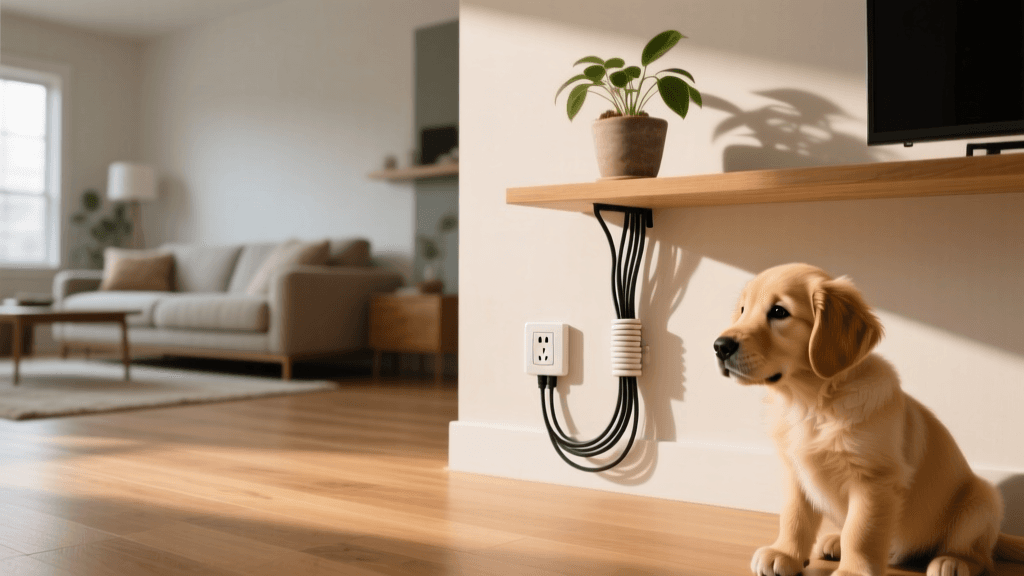
The Problem: Teething puppies experience severe gum discomfort between 12 and 16 weeks of age, driving them to chew on anything that provides resistance. Electrical cords behind the television or near the sofa are prime targets. A punctured power cord can result in severe oral burns, electrocution, or even a house fire. Additionally, remote controls, coasters, and decorative items on low coffee tables are easily knocked over and swallowed.
The Solution: Bundle and conceal all accessible wiring using J-Channel Cord Raceways or split-loom tubing. These plastic covers adhere to the baseboards and make the cords physically impossible to bite. For items on coffee tables, apply museum wax to the bottom of heavy decorative pieces to prevent them from being nudged off the edge, and remove all small, swallowable objects from the lower shelves of your entertainment center. You can also apply Grannick's Bitter Apple Spray to the legs of wooden furniture and baseboards to deter chewing through taste aversion.
The Bathroom: Medications and Drowning Risks
The Problem: Bathrooms contain concentrated dangers. Dropped ibuprofen, acetaminophen, or antidepressants are highly toxic. Furthermore, many dogs are fascinated by toilet water, which may contain harsh chemical cleaners or pose a drowning risk for very small breeds and young puppies.
The Solution: Never leave medications on the bathroom counter, even in prescription bottles; dogs can easily chew through plastic pill organizers. Store all medications in a high, closed cabinet or a locked travel bag. To solve the toilet water problem, install a simple child-proof toilet lid lock (costing under $10) and keep the bathroom door closed at all times. According to the ASPCA Animal Poison Control, human medications consistently rank among the top reasons for pet poison helpline calls, making this a non-negotiable fix.
The Yard: Escape Routes and Toxic Flora
The Problem: A fenced yard is not automatically a safe haven. Many dogs are natural diggers and can easily excavate an escape tunnel under a wooden or chain-link fence in a matter of minutes. Additionally, common landscaping plants like Sago Palms, Oleander, and certain lilies are highly toxic if ingested. The Pet Poison Helpline notes that yard and garden toxins are a frequent cause of emergency veterinary interventions.
The Solution: Walk the entire perimeter of your fence. Look for gaps wider than two inches, which a small dog or puppy can squeeze through. To stop diggers, install an L-footer using 19-gauge welded wire fencing. Lay the wire along the base of your fence and extend it outward into the yard by about two feet, covering it with a thin layer of soil or mulch. When the dog digs at the fence line, they hit the wire and stop. Audit your garden beds against the ASPCA's toxic plant list and remove any dangerous flora, replacing them with dog-safe alternatives like snapdragons or sunflowers.
Cost and Implementation Breakdown
Preparing your home does not have to break the bank. Below is a diagnostic breakdown of common hazards, the physical clues that indicate a problem, and the specific solutions required to secure your space.
| Home Area | Common Hazard | Diagnostic Clue | Solution Product | Est. Cost |
|---|---|---|---|---|
| Kitchen | Trash Raiding | Scattered debris, torn bags | Simplehuman Locking Trash Can | $70 - $120 |
| Living Room | Chewing Power Cords | Frayed wires, power loss | J-Channel Cord Raceway | $15 - $25 |
| Bathroom | Ingesting Medications | Missing pills, chewed bottles | Safety 1st Magnetic Locks | $20 - $30 |
| Yard | Digging Under Fences | Dirt mounds at fence base | 19-Gauge Welded Wire L-Footer | $40 - $60 |
| Bedroom | Swallowing Small Items | Missing socks, hair ties | Under-Bed Storage Bins | $15 - $25 |
Behavioral Solutions for the First 72 Hours
Even with a perfectly proofed home, a new dog will experience stress, confusion, and overstimulation during their first few days. You cannot physically proof every inch of your house, which means you must implement behavioral management solutions to bridge the gap between their arrival and their training.
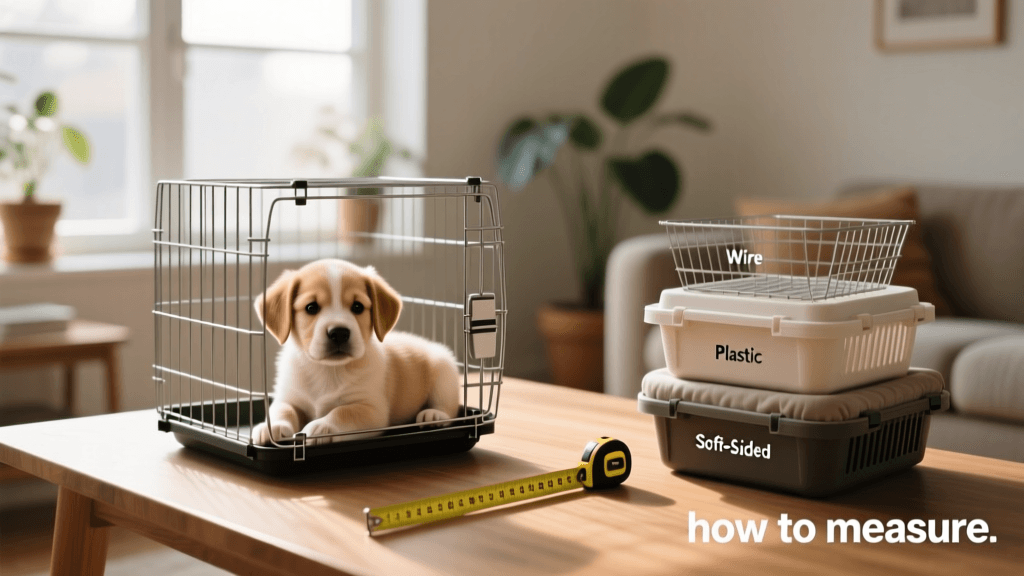
The Crate Solution: A properly sized crate acts as a den and a safe zone, preventing the dog from wandering into un-proofed areas when you cannot actively supervise them. For a growing puppy, purchase a wire crate with a divider panel, such as the MidWest Homes for Pets iCrate. The crate should be large enough for the dog to stand up, turn around, and lie down, but no larger. If the crate is too big, the dog may use one corner as a bathroom, defeating the purpose of house-training.
The Playpen Solution: When you are home but busy cooking or working, a freestand exercise playpen provides a larger, safe enclosure. Look for heavy-duty metal or reinforced plastic playpens that are at least 30 inches tall to prevent jumping. Place their water bowl, a few durable chew toys like the Kong Classic, and a comfortable bed inside. This teaches the dog how to self-soothe and entertain themselves without resorting to destructive behaviors out of boredom or anxiety.
Final Thoughts
Getting a dog is a profound commitment that extends far beyond purchasing food and toys. By taking the time to rigorously diagnose your home's hidden hazards and implementing targeted, physical solutions, you set the stage for a smooth transition. Remember that management is the first step of training. When you remove the opportunity for your dog to make a mistake, you pave the way for a lifetime of good behavior, safety, and mutual trust.
beth-carrasco
All our authors care for dogs every day — read more of their work on the authors page.