Golden Retriever Puppy Care: First Year Essentials
Discover essential Golden Retriever puppy care tips for the first year. Learn about feeding, joint health, training, and developmental milestones.
Welcome to the Golden Retriever Puppy Journey
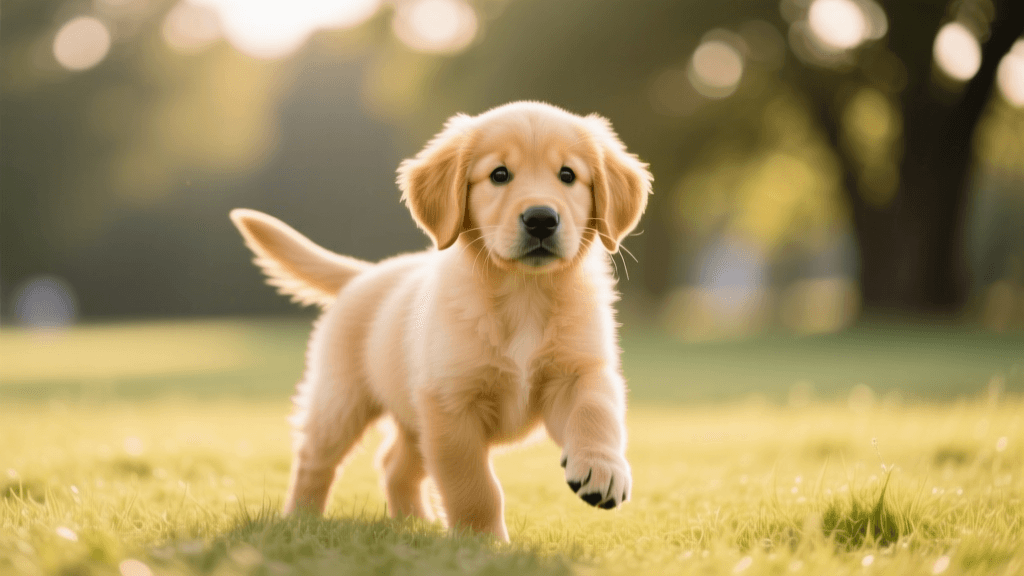
Bringing home a Golden Retriever puppy is a life-changing event. Known for their friendly, tolerant, and intelligent demeanor, Golden Retrievers consistently rank among the most popular dog breeds in the world. However, their first year of life requires a highly structured approach to care, particularly regarding their rapid physical growth, joint health, and boundless energy levels. This comprehensive, breed-specific deep dive will walk you through the exact nutrition, exercise, training, and grooming protocols necessary to raise a healthy, well-adjusted Golden Retriever from eight weeks to twelve months of age.
Nutrition and Feeding: Protecting Those Growing Joints
One of the most critical aspects of Golden Retriever puppy care is managing their growth rate. Goldens are classified as large-breed dogs, meaning they are genetically predisposed to orthopedic issues such as hip and elbow dysplasia. According to the Golden Retriever Club of America (GRCA), overfeeding and rapid growth can exacerbate these joint abnormalities. To mitigate this risk, you must feed a diet specifically formulated for large-breed puppies. These formulas maintain a strict calcium-to-phosphorus ratio (ideally between 1.1:1 and 1.4:1) and contain controlled caloric density to ensure steady, rather than explosive, bone growth.
Large Breed Puppy Food Requirements
Premium options include Purina Pro Plan Large Breed Puppy, Royal Canin Golden Retriever Puppy, and Hill's Science Diet Large Breed Puppy. Avoid supplementing with calcium or high-calorie treats, as this disrupts the carefully balanced mineral profile of the kibble. Below is a general feeding guideline, though you should always adjust based on your puppy's body condition score (BCS). You should be able to feel their ribs without pressing hard, and they should have a visible waist when viewed from above.
| Age | Meals Per Day | Estimated Daily Amount (Cups) |
|---|---|---|
| 8-12 Weeks | 3 | 1.5 - 2.5 |
| 3-6 Months | 2 | 2.5 - 3.5 |
| 6-12 Months | 2 | 3.5 - 4.5 |
Exercise Rules: The 5-Minute Guideline
When it comes to exercising a Golden Retriever puppy, more is not always better. Their growth plates do not fully close until they are between 14 and 18 months old. Forced, repetitive exercise like running on hard pavement or jumping for frisbees can cause micro-fractures and long-term joint damage. Veterinarians and the Orthopedic Foundation for Animals (OFA) recommend the 'five-minute rule' for structured exercise. This means five minutes of structured, leashed walking per month of age, up to twice a day. A three-month-old puppy should only have 15 minutes of structured walking per session, while a six-month-old can handle 30 minutes. Free play on soft, natural surfaces like grass or dirt is excellent, but avoid slippery hardwood floors which can cause splaying and hip strain.
Crate Training and Potty Protocols
Crate training is an indispensable tool for potty training and providing your Golden with a safe den. Because Goldens grow rapidly, purchase a 42-inch wire crate (such as the MidWest Homes for Pets iCrate) equipped with an adjustable divider panel. This allows you to expand the space as your puppy grows, ensuring the crate is only large enough for them to stand up, turn around, and lie down. If the space is too large, they may soil one corner and sleep in the other, ruining potty training progress. Take your puppy outside immediately after waking up, eating, drinking, or playing. A general rule for bladder control is that a puppy can hold it for one hour per month of age, plus one. Therefore, a three-month-old puppy needs a potty break every four hours, including overnight. Use a high-value treat, like freeze-dried chicken liver, to reward them immediately after they eliminate outside. Clean any indoor accidents thoroughly with an enzymatic cleaner like Nature's Miracle to completely eradicate the scent and prevent repeat offenses.
Training and Socialization: Shaping the Perfect Family Dog
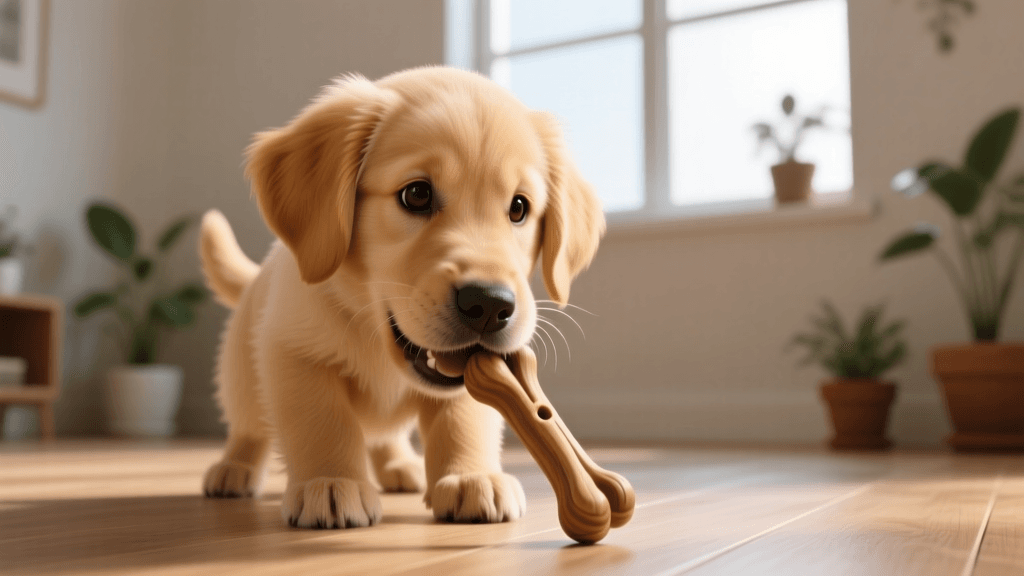
Golden Retrievers are famously eager to please, making them highly trainable. However, they are also notoriously mouthy. Bred to retrieve waterfowl without damaging the game, they have a 'soft mouth,' but as puppies, they explore the world by chewing and nipping. Bite inhibition training must begin on day one. Whenever your puppy's teeth touch your skin, let out a high-pitched 'ouch' and immediately redirect them to an appropriate chew toy, such as a frozen KONG stuffed with plain pumpkin puree or a Nylabone puppy chew. Consistency is vital; every family member must enforce the same rules.
Enrolling in a puppy kindergarten class is highly recommended. Expect to spend between $150 and $300 for a six-week course. This environment provides controlled socialization with other vaccinated puppies, teaching crucial canine communication skills. The American Kennel Club (AKC) emphasizes that early socialization between 8 and 16 weeks is the critical window for preventing fear-based behaviors later in life. Expose your Golden to various surfaces (gravel, grates, wet grass), sounds (vacuum cleaners, thunderstorms via YouTube), and people (children, individuals wearing hats or uniforms).
Grooming the Double Coat
Golden Retrievers possess a dense, water-repellent double coat that requires dedicated maintenance. While they are relatively low-maintenance as young puppies, their adult coat begins to fill in around six months of age. You will need to invest in high-quality grooming tools: a premium slicker brush (like the Chris Christensen Big G), an undercoat rake, and a stainless steel greyhound comb. Brush your puppy at least three times a week to prevent painful mats behind the ears, in the armpits, and around the 'feathering' on their legs and tail. Never shave a Golden Retriever; their double coat regulates their body temperature and protects their skin from UV rays. Bathing should occur every 4 to 6 weeks using a high-quality, oatmeal-based canine shampoo to prevent stripping natural oils from their skin.
Health, Insurance, and Vet Milestones
Your first year will involve a rigorous veterinary schedule. Core vaccines (DHPP and Rabies) are administered in a series between 6 and 16 weeks. Discuss parasite prevention (heartworm, fleas, and ticks) with your vet; products like NexGard or Simparica Trio are popular choices, costing roughly $20 to $30 per month. Given the breed's predisposition to certain cancers and orthopedic issues, many owners opt for comprehensive pet insurance. Providers like Trupanion or Healthy Paws can cost $50 to $90 per month for a Golden puppy, but they provide invaluable peace of mind for potential future surgeries.
| Age | Milestone and Action Item |
|---|---|
| 8 Weeks | Bring home, start potty training, first vet visit. |
| 12 Weeks | Complete second round of vaccines, begin puppy kindergarten. |
| 16 Weeks | Rabies vaccine, transition to two meals a day, advanced socialization. |
| 6 Months | Spay/neuter consultation, adult coat begins to emerge, increase mental enrichment. |
| 12 Months | Transition to adult large-breed food, baseline hip/elbow X-rays if recommended. |
Conclusion
Raising a Golden Retriever puppy is a rewarding investment of time, money, and patience. By strictly managing their diet to protect their joints, enforcing gentle bite inhibition, and committing to early socialization, you are laying the foundation for the quintessential family companion. The effort you put into their first year will yield a decade or more of unwavering loyalty, joy, and love.
anouk-beaumont
All our authors care for dogs every day — read more of their work on the authors page.