Golden vs Lab vs Poodle: A First Year Puppy Care Guide
Compare Golden Retrievers, Labs, and Poodles for first-year puppy care. Discover training, grooming, socialization costs, and expert tips.
Choosing the Right Breed for Your First Year of Puppy Care
Bringing a puppy home is one of life's most rewarding experiences, but the first twelve months demand significant time, patience, and financial investment. When selecting a breed, many first-time owners focus solely on adult temperament or appearance. However, the true challenge lies in the first year of puppy care. Different breeds have vastly different developmental timelines, grooming requirements, and training hurdles.
The true challenge of puppy ownership lies not in the breed's adult temperament, but in navigating the chaotic, demanding first twelve months of development and care.
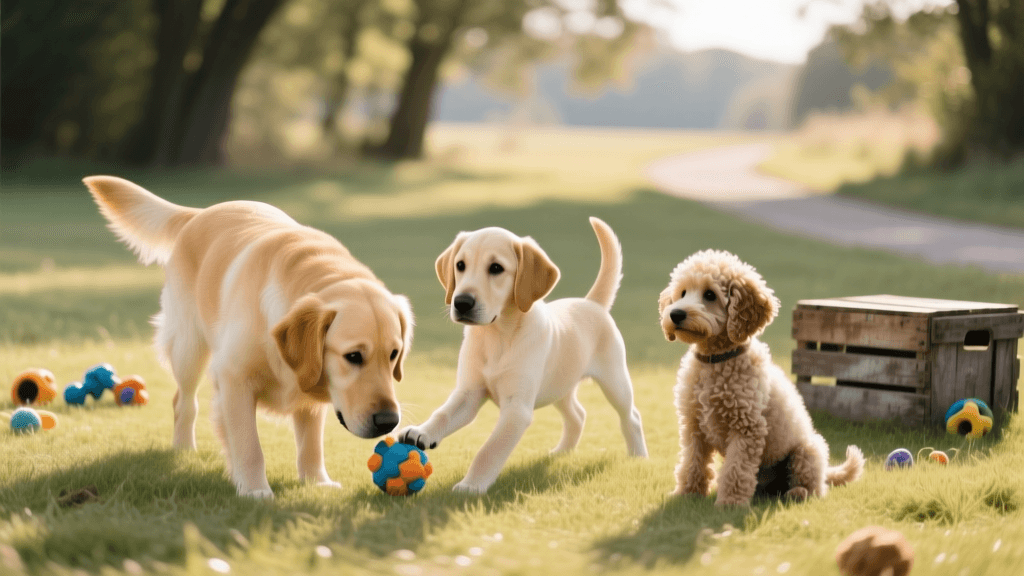
In this comprehensive guide, we compare three of the most popular family dogs—the Golden Retriever, the Labrador Retriever, and the Standard Poodle—through the lens of first-year puppy care. By understanding the specific needs of these breeds during their crucial developmental months, you can make an informed decision that aligns with your lifestyle, budget, and schedule.
Breed Overview: The Big Three Family Dogs
The Golden Retriever is renowned for its eager-to-please attitude and gentle mouth. Originating in Scotland as a hunting companion, Goldens are highly trainable but mature slowly, often retaining their boisterous puppy energy well into their second or third year. During the first year, they require extensive socialization to prevent timidity and consistent positive reinforcement to manage their tendency to mouth and carry objects.
The Labrador Retriever shares a similar retrieving heritage but often possesses a higher initial energy drive and a more robust, boisterous physicality. Labs are notorious for their intense chewing phases and high food motivation. While this makes treat-based training highly effective, it also means potty training and impulse control require rigorous consistency during the first twelve months to prevent destructive habits from forming.
The Standard Poodle is exceptionally intelligent and athletic, originally bred as a water retriever. Unlike the double-coated retrievers, Poodles have a single-layer, curly coat that grows continuously. This means they shed very little, making them a popular choice for allergy sufferers, but it also mandates a strict grooming schedule from a very young age to acclimate them to clippers, scissors, and handling.
First-Year Puppy Care Comparison Chart
| Care Aspect | Golden Retriever | Labrador Retriever | Standard Poodle |
|---|---|---|---|
| Energy Level (Year 1) | High | Very High | High (Mental & Physical) |
| Potty Training Ease | Moderate | Moderate | High |
| Teething Intensity | Severe | Severe | Moderate |
| Estimated Grooming Cost | $100 (Tools) | $100 (Tools) | $600 - $900 (Professional) |
Potty Training and Crate Sizing
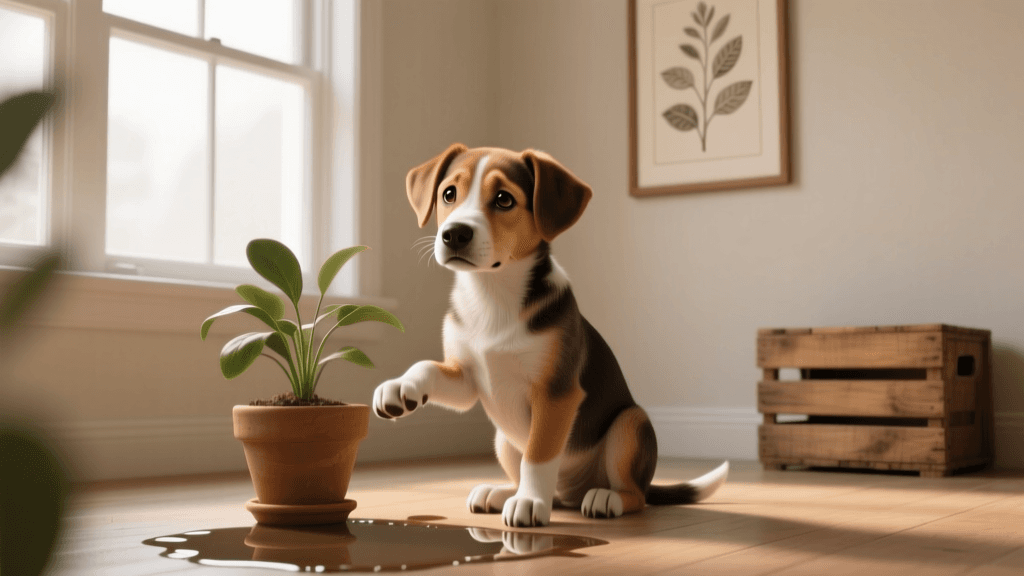
Potty training is often the most stressful hurdle of the first year. A general rule of thumb is that a puppy can hold their bladder for one hour per month of age, up to a maximum of eight hours. For Golden Retrievers and Labrador Retrievers, you will need a large adult-sized crate, such as the MidWest Homes for Pets iCrate in the 36-inch or 42-inch size. Crucially, you must use the included divider panel to restrict the puppy's space to just enough room to stand, turn around, and lie down. If the space is too large, the puppy will soil one corner and sleep in the other, ruining the crate training process.
Standard Poodles also benefit from this method, though a 24-inch crate may suffice for smaller Miniature Poodles, while Standards will eventually need a 36-inch crate. Regardless of breed, accidents will happen. Keep Nature's Miracle Advanced Stain and Odor Eliminator (approximately $12 per bottle) on hand to break down uric acid crystals and prevent repeat offenses. Labs and Goldens typically achieve reliable daytime housebreaking by four to six months, while Poodles may grasp the concept slightly faster due to their sharp problem-solving skills, though all breeds require midnight potty breaks during the first eight to twelve weeks.
Teething, Chewing, and Toy Budgets
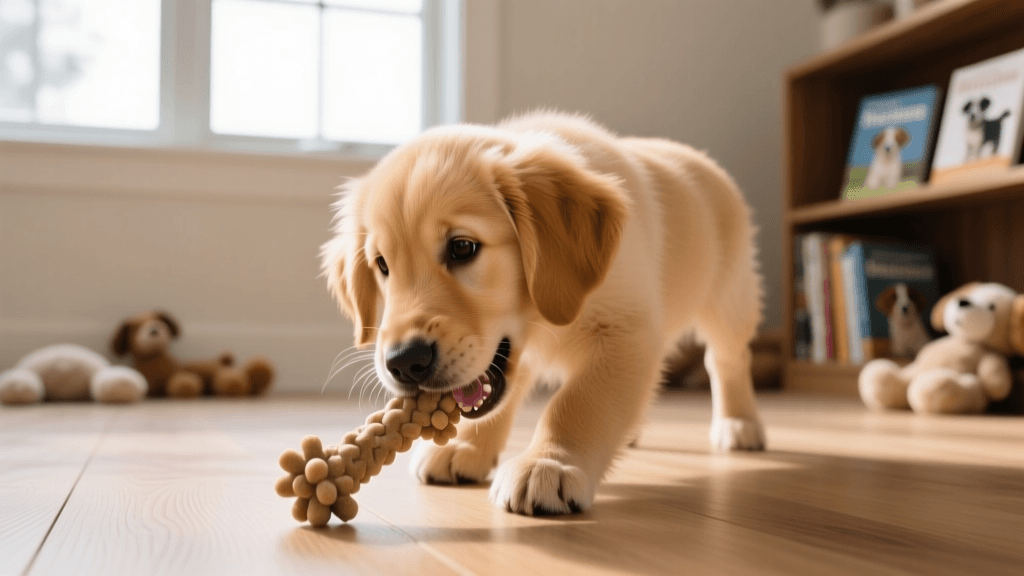
The teething phase is a critical period that tests the patience of every puppy owner. According to the American Kennel Club, puppies begin losing their baby teeth around 12 to 16 weeks of age, with the adult teeth fully erupting by six to seven months. During this window, chewing is not a behavioral issue; it is a biological necessity to relieve gum pain.
Labrador Retrievers and Golden Retrievers are notoriously heavy chewers. You must puppy-proof your home before they arrive. Here is an essential checklist to prepare your space:
- Secure all electrical cords behind furniture or use PVC cord concealers.
- Move toxic houseplants (like lilies and pothos) to elevated shelves.
- Store all human medications and cleaning supplies in child-proof, high cabinets.
- Remove small objects like coins, rubber bands, and children's toys from floor level.
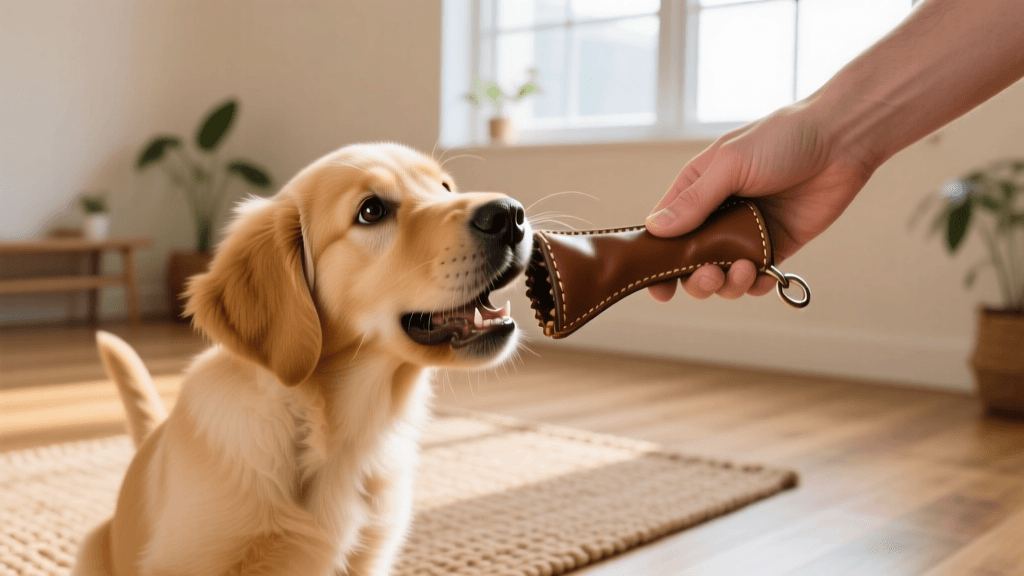
To save your furniture, budget at least $150 for a rotation of durable chew toys. The KONG Classic (Red or Black rubber, Large size, ~$15) is essential; stuff it with peanut butter and freeze it to provide soothing, long-lasting relief. Additionally, Nylabone Power Chew toys (~$12 each) are excellent for satisfying the intense urge to gnaw. Standard Poodles also teethe and chew, but their jaw pressure and destructive drive are often slightly lower than the retrieving breeds, meaning you might spend closer to $75 on replacement toys during their first year.
Grooming Schedules and Financial Costs
Grooming represents one of the most significant financial and time divergences between these breeds. Golden Retrievers and Labrador Retrievers possess dense, water-resistant double coats that shed profusely, particularly during seasonal changes in the spring and fall. To manage this, you will need to brush them at least three times a week using a slicker brush and an undercoat rake. Investing in a FURminator deShedding Tool (Large size, ~$35) can drastically reduce loose hair. However, you must never shave a double-coated retriever, as this damages their natural temperature regulation.
Conversely, the Standard Poodle requires professional grooming. Because their hair grows continuously and does not shed, it will quickly form painful mats if neglected. You must commit to professional grooming appointments every six to eight weeks. At an average cost of $80 to $120 per session, you can expect to spend between $500 and $800 on professional grooming during your Poodle's first year. Furthermore, you must begin handling your Poodle's paws, ears, and face during the 8-to-12-week socialization window to prevent severe anxiety at the groomer later in life.
Early Socialization and Puppy Classes
Early socialization is the cornerstone of behavioral health. The American Veterinary Medical Association emphasizes that the primary socialization window for puppies closes between 12 and 14 weeks of age. During this brief period, puppies must be exposed to a wide variety of people, environments, surfaces, and sounds to prevent fear-based aggression and anxiety.
The AKC's guide to puppy socialization recommends enrolling in a structured puppy kindergarten class. These classes typically run for six weeks and cost between $120 and $200. For Labrador Retrievers, these classes are vital for teaching bite inhibition and impulse control, as their boisterous nature can easily overwhelm smaller dogs or timid children. Golden Retrievers benefit immensely from exposure to strange noises and unstable surfaces to build confidence. Standard Poodles, being highly observant and sometimes aloof with strangers, require deliberate, positive introductions to diverse groups of people to ensure they do not become overly protective or skittish.
Final Verdict: Which Puppy Fits Your Lifestyle?
Selecting the right breed for your first year of puppy care requires honest self-assessment. If you have a flexible schedule, a fenced yard, and don't mind daily vacuuming and heavy chewing phases, the Golden Retriever or Labrador Retriever will reward you with an exuberant, deeply bonded companion. If you prefer a cleaner home, are willing to budget for professional grooming, and desire a highly trainable, agile intellect, the Standard Poodle is an exceptional choice. Regardless of the breed you choose, preparing your home with the right crates, teething toys, and training resources before your puppy arrives will set the foundation for a harmonious first year and a lifetime of love.
priya-sutaria
All our authors care for dogs every day — read more of their work on the authors page.