Getting a Senior Dog: Home Prep and First-Month Costs
Learn how to prepare your home, manage costs, and provide essential care when getting a senior dog. A practical life stage guide for new adopters.

When you decide to bring a dog into your life, the spotlight often falls on puppies or young adults. However, adopting a senior dog is a profoundly rewarding experience that offers unique benefits and requires specific, life-stage-oriented preparations. Senior dogs are typically past the destructive chewing phase, often already house-trained, and possess a calm demeanor that perfectly complements a relaxed household. Yet, transitioning an aging canine into a new environment demands foresight, specialized home modifications, and a clear understanding of first-month financial commitments. This comprehensive guide will walk you through everything you need to know about getting a senior dog, ensuring their golden years are comfortable, safe, and deeply loved.
Defining the Senior Life Stage
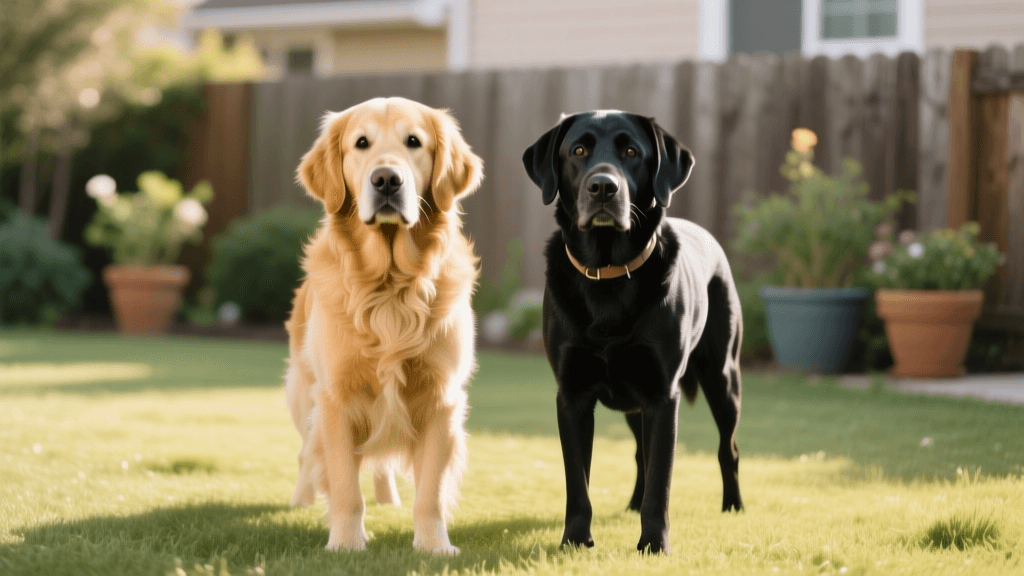
Before preparing your home, it is crucial to understand when a dog actually enters their senior years. Aging is not a one-size-fits-all metric; it is heavily influenced by breed size and genetics. According to the ASPCA, small breeds (like Chihuahuas or Toy Poodles) may not show signs of aging until they are 10 to 12 years old. Conversely, giant breeds (such as Great Danes or Mastiffs) can be considered seniors by the time they reach 5 to 6 years of age. Medium and large breeds generally cross the senior threshold around 7 to 9 years. Knowing your dog's specific life stage helps you anticipate mobility issues, metabolic changes, and sensory decline, allowing you to tailor your home environment accordingly.
Home Preparation: Accessibility and Comfort
Aging dogs often face a combination of osteoarthritis, muscle atrophy, and vision loss. Your home must be adapted to minimize physical strain and prevent accidents.
Mobility and Accessibility Upgrades
Jumping onto furniture or navigating stairs can cause severe joint pain or lead to catastrophic falls for a senior dog. Invest in pet ramps or stairs with a gentle incline. The ideal ramp incline ratio is 3:1 or 4:1 (for every 4 inches of length, the ramp rises 1 inch). For example, if your bed is 24 inches high, you need a ramp that is at least 72 to 96 inches long. Look for ramps with high-traction surfaces, such as the PetSafe Happy Ride Folding Ramp, which features a sandpaper-like grip to prevent paw slippage.
Hardwood and tile floors are notoriously dangerous for older dogs with weakened hindquarters. Place interlocking foam mats or low-pile, non-slip area rugs along your dog's primary pathways. This provides the necessary traction for them to stand up from a lying position without splaying their legs.
Comfort and Temperature Control
Senior dogs lose their ability to regulate body temperature efficiently. An orthopedic dog bed is non-negotiable. Look for beds made from high-density, human-grade memory foam (at least 4 inches thick) that will not flatten over time. Brands like Big Barker or K9 Ballistics offer orthopedic options specifically designed to relieve pressure on aging hips and elbows. Additionally, place a self-warming thermal blanket or a pet-safe heating pad (set on low) in their sleeping area during colder months to soothe stiff joints.
First-Month Financial Breakdown
Getting a senior dog involves upfront costs that differ significantly from those associated with a puppy. While you may save on spay/neuter surgeries and initial vaccination series, you will need to invest heavily in comfort, mobility, and specialized veterinary diagnostics. Below is a realistic estimate of first-month expenses when adopting a senior dog.
| Item / Service | Estimated Cost | Purpose and Details |
|---|---|---|
| Adoption Fee | $50 - $300 | Often subsidized for senior dogs by rescues to encourage adoption. |
| Comprehensive Senior Vet Panel | $250 - $450 | Includes CBC, chemistry panel, thyroid test, and urinalysis. |
| Orthopedic Memory Foam Bed | $120 - $250 | Essential for joint support; avoid cheap poly-fill beds. |
| Mobility Aids (Ramp/Stairs) | $40 - $90 | Protects the spine and hips from jumping-related injuries. |
| Joint Supplements | $30 - $60 | Glucosamine, chondroitin, and Omega-3s for cartilage support. |
| Front-Clip Harness | $25 - $50 | Reduces neck strain; helpful if the dog has balance issues. |
| Enrichment & Comfort Items | $40 - $80 | Snuffle mats, lick mats, and non-slip rugs for the home. |
| Total Estimated First Month | $555 - $1,280 | Varies based on geographic location and dog's health status. |
Establishing a Veterinary Baseline
Within the first two weeks of bringing your senior dog home, scheduling a comprehensive veterinary exam is critical. The American Animal Hospital Association (AAHA) recommends that senior pets undergo wellness examinations at least twice a year, as their health can change rapidly. During this initial visit, request a full senior blood panel. This should include a Complete Blood Count (CBC) to check for anemia or infection, a comprehensive chemistry panel to evaluate kidney and liver function, a total T4 test to screen for hypothyroidism, and a urinalysis to detect early signs of kidney disease or urinary tract infections.
Additionally, discuss dental health with your veterinarian. Periodontal disease is rampant in older dogs and can lead to systemic infections affecting the heart and kidneys. If your dog requires dental extractions, factor in the cost and recovery time, as older dogs may require specialized anesthesia protocols and extended pain management.
Nutrition and Dietary Adjustments
A senior dog's metabolism slows down, and their activity level typically decreases, making them prone to obesity. Excess weight exacerbates arthritis and puts undue stress on aging organs. Transition your new dog to a high-quality senior-specific diet that features controlled caloric density but maintains high-quality, easily digestible protein to prevent muscle wasting. Look for foods fortified with EPA and DHA (Omega-3 fatty acids), which have been clinically shown to reduce joint inflammation.
If your dog has a decreased appetite—a common issue in older canines due to a diminished sense of smell—try gently warming their wet food or adding a low-sodium bone broth topper to entice them. Always ensure fresh water is easily accessible; consider placing multiple shallow water bowls around the house so they do not have to walk far to hydrate.
Emotional Transition and Cognitive Enrichment
Older dogs can experience significant stress when relocated. They may be grieving the loss of a previous owner or feeling disoriented in a new space. Establish a strict, predictable routine for feeding, potty breaks, and gentle walks. Predictability reduces anxiety and helps them feel secure.
Be mindful of Canine Cognitive Dysfunction (CCD), a condition similar to Alzheimer's in humans. Organizations like The Grey Muzzle Organization emphasize the importance of mental stimulation to keep an aging dog's brain active. Since vigorous physical exercise may no longer be an option, rely on low-impact cognitive enrichment. Use snuffle mats to encourage natural foraging behaviors, hide treats in puzzle toys, or teach them gentle, low-mobility tricks using positive reinforcement. Mental fatigue is just as satisfying for a senior dog as a long run is for a puppy.
Conclusion
Getting a senior dog is an act of profound compassion. While it requires a financial investment in their comfort and a commitment to managing their evolving health needs, the return on investment is a deeply bonded, grateful, and gentle companion. By proactively modifying your home, budgeting for specialized veterinary care, and embracing their unique life stage requirements, you provide a sanctuary where your senior dog can thrive in their final, beautiful chapters.
tom-renshaw
All our authors care for dogs every day — read more of their work on the authors page.