Getting a Second Dog: A Multi-Pet Integration Guide
Learn how to smoothly introduce a second dog to your existing pets. Discover step-by-step multi-pet integration tips, gear essentials, and timing advice.

The Reality of Expanding Your Pet Family
Bringing a second dog into a home that already houses a resident dog, cat, or other small animal is a thrilling milestone. However, the pack mentality does not automatically guarantee instant harmony. Multi-pet integration requires strategic planning, environmental management, and a deep understanding of animal body language. According to behavioral guidelines outlined by the American Kennel Club, rushing the introduction process is the leading cause of long-term territorial disputes and resource guarding. This comprehensive guide will walk you through a structured, 30-day integration protocol designed to foster lifelong bonds between your new and existing pets.
Phase 1: Pre-Arrival Environmental Preparation
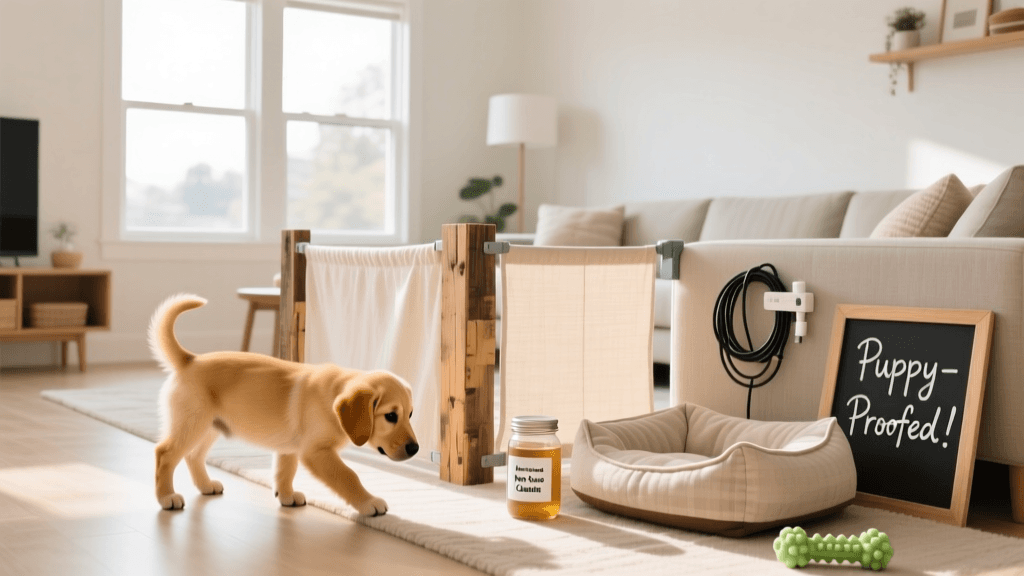
Before your new dog ever crosses the threshold, your home must be configured to support safe separation. Dogs are territorial by nature, and a resident pet will naturally feel protective of their established space. The American Veterinary Medical Association notes that environmental stress is a primary trigger for inter-pet aggression. To mitigate this, you must establish distinct safe zones for each animal.
Essential Gear and Spatial Dividers
Investing in high-quality separation gear is non-negotiable. You will need physical barriers that allow visual contact without the risk of physical altercations. Below is a recommended checklist of multi-pet integration essentials, complete with specifications and estimated costs to help you budget accordingly.
| Product Category | Recommended Specification | Specific Brand Example | Estimated Cost |
|---|---|---|---|
| Hardware-Mounted Gate | 28-42 inches wide, 30 inches tall, vertical bars | Carlson Extra-Wide Pet Gate | $60 - $85 |
| Heavy-Duty Crate | Wire crate with divider panel, 42L x 28W x 30H inches | MidWest Homes for Pets iCrate | $70 - $110 |
| Secure Harnesses | Front-clip and back-clip dual D-ring, padded chest | 2 Hounds Design Freedom No-Pull | $40 (x2) |
| Handling Leashes | 6-foot length, 1/2 inch width, biothane or leather | Mendota Products British Slip Lead | $15 (x2) |
| Interactive Feeders | Slow-feed bowls or puzzle toys to reduce mealtime tension | Kong Classic Red (Large) | $18 (x2) |
Total initial setup costs for multi-pet integration gear typically range between $250 and $350. Do not skip the dual D-ring harnesses; having both a front and back attachment point gives you maximum steering control if a dog becomes overly fixated on a feline sibling or the resident dog.
Phase 2: The Scent-Swapping Protocol (Days 1-5)
When the new dog first arrives, they should not immediately meet the resident pets face-to-face. Instead, keep the animals in separate rooms, utilizing the hardware-mounted gates to prevent physical access. This period is dedicated entirely to olfactory introduction.
- Days 1-2: Bedding Exchange. Swap the blankets and beds between the resident dog and the new dog. Allow each dog to sleep on the other's scent. If you have a cat, rub a clean microfiber cloth on the cat's cheeks and place it near the new dog's feeding area to build positive associations.
- Days 3-4: Parallel Feeding. Feed both dogs on opposite sides of the closed door or gate. Start with the bowls placed five feet away from the barrier. If both dogs eat calmly without whining, pacing, or growling, move the bowls one foot closer to the barrier at each subsequent meal.
- Day 5: Scent Trails. Allow the new dog to explore the common areas of the house while the resident dog is secured in their crate or out on a walk. Then, swap them. This allows both dogs to investigate each other's scent trails without the pressure of a direct confrontation.
Phase 3: Neutral Territory Introduction (Days 6-10)
The first physical meeting should never take place inside the home or in the fenced backyard. The resident dog will view these areas as their core territory and may exhibit defensive aggression. Instead, enlist a friend or family member to help you execute a parallel walk in a neutral location, such as a quiet public park or an empty tennis court.
Executing the Parallel Walk
Both handlers should equip the dogs with the 6-foot handling leashes and dual-clip harnesses. Start the dogs on opposite sides of the street, walking in the same direction. Maintain a distance of at least 15 feet. Observe their body language closely. According to behavioral resources from Best Friends Animal Society, loose, wiggly body movements, soft eyes, and relaxed, open mouths indicate a willingness to engage. Conversely, stiff gaits, hard staring, raised hackles, or high, rigidly wagging tails are signs of arousal that require you to increase the distance immediately.
If either dog exhibits leash reactivity, such as barking or lunging while on the walk, do not punish the behavior. Instead, calmly increase the distance between the two dogs until the reactive dog disengages and looks back at the handler. Reward this disengagement with a high-value treat. The goal of the neutral territory walk is not to force an interaction, but rather to build a calm, parallel association with the presence of the other animal. Over the course of a 45-minute walk, gradually decrease the distance between the dogs. If they remain relaxed at a distance of five feet, allow them to sniff each other briefly—no longer than three seconds—before cheerfully calling them away and rewarding them with high-value treats like freeze-dried beef liver.
Phase 4: Navigating Dog-Cat Dynamics
Introducing a new dog to a resident cat requires an entirely different set of management skills. Cats are both predators and prey, and a dog's natural prey drive can trigger a catastrophic response. The integration timeline for dogs and cats is often double that of dog-to-dog introductions, frequently taking 30 to 60 days.
The most critical factor in dog-cat introductions is ensuring the cat always has an escape route and vertical territory. A dog should never be able to corner a cat, and the cat must have high-ground sanctuaries where they can observe the dog without feeling threatened.
To facilitate a safe dog-cat introduction, implement the following structural changes:
- Install Cat Superhighways: Use wall-mounted shelves or tall cat trees (minimum 60 inches in height) to create vertical escape routes in every shared room.
- Microchip Pet Doors: Install a microchip-activated cat door leading to a dog-free sanctuary room. This ensures the cat has guaranteed access to their litter box and food without the new dog following them.
- Impulse Control Training: Before allowing the dog and cat in the same room off-leash, the dog must reliably respond to 'Leave It' and 'Watch Me' commands, even when presented with high-distraction triggers.
Phase 5: Long-Term Harmony and Resource Guarding
Once the pets are fully integrated and sharing the home, the risk of resource guarding remains a primary concern. Resource guarding occurs when a pet exhibits defensive behavior over high-value items such as food bowls, bully sticks, favorite toys, or even human affection.
Management Rules for the Multi-Pet Household
- Separate High-Value Chews: Never give raw bones, pig ears, or long-lasting chews to dogs in the same room. Crate them or separate them with gates until the items are entirely consumed.
- Pick Up Toys: Do not leave high-value toys scattered around the living room. Rotate them and only offer them during supervised play sessions.
- Manage Human Attention: If one dog becomes pushy or aggressive when you are petting the other, institute a 'nothing in life is free' protocol. Both dogs must perform a 'sit' or 'down' command before receiving affection, preventing competition for your attention.
Furthermore, pay close attention to sleeping arrangements. Even if the dogs appear to get along perfectly during the day, nighttime vulnerability can trigger unexpected defensive behaviors. It is highly recommended to crate the new dog or provide separate sleeping quarters for at least the first three months. This prevents sleep-startle aggression, a common issue in multi-dog households where one dog accidentally bumps into another while they are in a deep sleep cycle.
Recognizing When to Seek Professional Help
While minor squabbles and vocalizations are normal during the adjustment period, certain red flags require immediate intervention from a certified professional dog trainer or a veterinary behaviorist. If you observe sustained hard staring, unprovoked lunging, injuries resulting from fights, or if the resident pet stops eating, hides constantly, or develops stress-induced colitis, halt the integration process. A professional can assess the dynamic and provide tailored desensitization and counter-conditioning exercises.
Bringing home a second dog or integrating a new pet into a multi-species household is a profound commitment. By prioritizing environmental management, respecting each animal's boundaries, and adhering to a slow, methodical introduction timeline, you lay the groundwork for a peaceful, thriving multi-pet family.
marcus-aldridge
All our authors care for dogs every day — read more of their work on the authors page.