Getting a Retired Greyhound: What New Owners Must Know
Discover everything you need to know about getting a retired racing Greyhound, from essential gear and home prep to training tips and daily care costs.
The "45-MPH Couch Potato": Understanding the Retired Greyhound
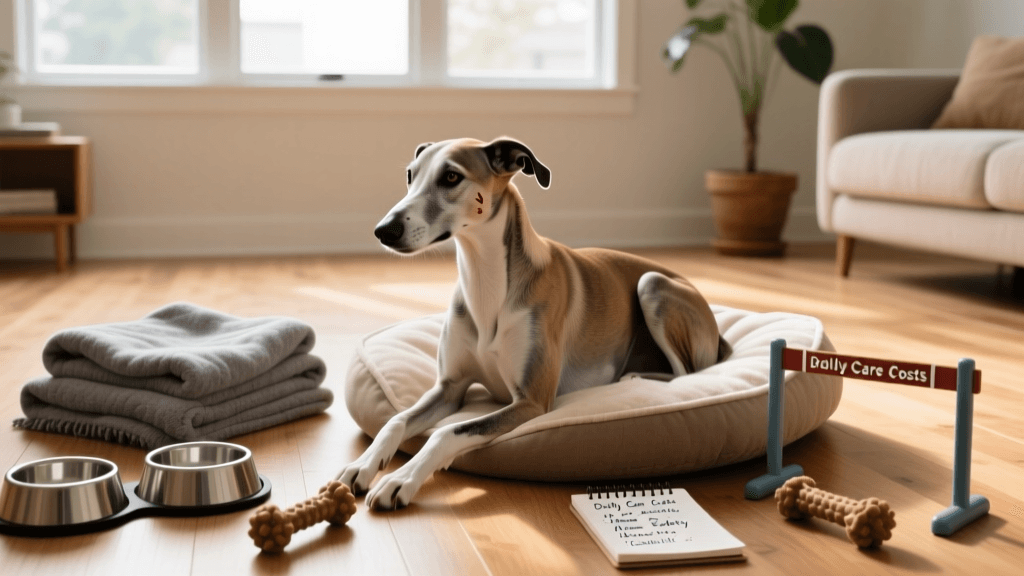
Adopting a retired racing Greyhound is a uniquely rewarding experience that opens the door to one of the dog world's most misunderstood breeds. Often referred to as "45-MPH couch potatoes," these gentle, sensitive sighthounds transition from the structured life of a racing kennel to the comforts of a living room with remarkable grace. However, getting a retired Greyhound requires specific preparation that differs vastly from bringing home a typical shelter dog or a puppy.
According to the American Kennel Club (AKC), Greyhounds are affectionate, playful, and surprisingly low-energy indoors. Despite their athletic background, they do not require miles of daily running. Instead, they thrive on short bursts of exercise followed by long hours of lounging on soft surfaces. Because they have been raised in kennels, they bypass the destructive puppy phases, but they also arrive completely unfamiliar with the basic mechanics of a modern home. Understanding their unique temperament, physical traits, and psychological needs is the first step toward a successful adoption.
Essential Gear: What You Must Buy Before Arrival
Greyhounds have distinct physical characteristics—deep chests, incredibly narrow waists, and long, fragile necks—that render standard dog gear ineffective or even dangerous. Before your new dog arrives, you must procure breed-specific equipment.
The Martingale Collar
A standard buckle collar is a safety hazard for a Greyhound. Their heads are often narrower than their necks, meaning a standard collar can easily slip off if the dog pulls backward in fear. A Martingale collar is mandatory. This collar features a limited-slip loop that tightens just enough to prevent the dog from backing out of it, without choking them. Look for a wide, padded Martingale collar (at least 1.5 inches wide) to distribute pressure across their delicate trachea.
Winter Coats and Paw Protection
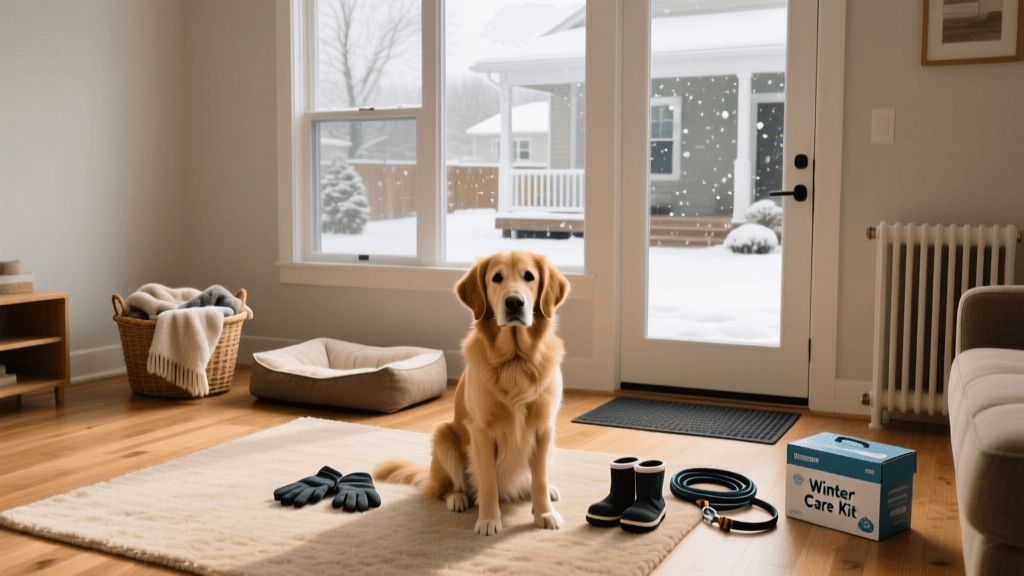
Greyhounds possess incredibly low body fat (often less than 16%) and lack an insulating undercoat. They feel the cold acutely. If you live in a climate where temperatures drop below 50°F (10°C), a well-fitted fleece or waterproof winter coat is not a luxury; it is a medical necessity. Additionally, their paw pads are accustomed to the soft dirt of racing kennels, so protective paw wax or booties are highly recommended for walking on hot summer asphalt or icy winter sidewalks.
The Basket Muzzle
While the word "muzzle" carries a negative stigma, it is an essential tool for Greyhound adoption. Greyhound Pets of America (GPA) strongly recommends using a plastic basket muzzle during the initial transition period, especially if you have small children, cats, or small dogs. Greyhounds have a high prey drive, and a fast-moving squirrel or a fleeing housecat can trigger an instinctual chase-and-catch response. A basket muzzle allows the dog to pant, drink, and take treats while keeping your small pets safe during the critical assessment period.
Home Preparation: Greyhound-Proofing Your Space
A racing Greyhound has spent its entire life in a kennel or a track environment. They have never encountered the everyday obstacles of a residential home. Preparing your space is crucial for their physical and mental well-being.
Flooring and Furniture
Greyhounds have very little body fat and prominent bony prominences. Hardwood, tile, or laminate floors are not only uncomfortable for them to lie on, but they are also incredibly slippery. A Greyhound attempting to stand on a smooth floor can easily splay their legs, leading to severe muscle strains or joint injuries. You must lay down inexpensive area rugs, yoga mats, or carpet runners in all high-traffic areas to provide traction. Furthermore, because they lack natural padding, an orthopedic dog bed or a thick duvet folded on the floor is required to prevent painful pressure sores.
Glass Doors and Stairs
Two of the most common hazards for newly adopted Greyhounds are glass sliding doors and stairs. Having never lived in a house, they do not understand that glass is a solid barrier. You must apply large, eye-level decals or stripes to all glass doors and windows to prevent high-speed collisions. Similarly, stairs are entirely foreign to them. You will need to teach your dog how to navigate stairs slowly, using high-value treats and a secure leash, starting with just one or two steps at a time.
Fencing and Outdoor Safety
Greyhounds are sighthounds; if they see something moving in the distance, they will chase it, and they can reach speeds of up to 45 miles per hour in just a few strides. Never let a Greyhound off-leash in an unfenced area. Invisible or underground electric fences are completely ineffective and highly dangerous for this breed, as their prey drive will easily override the shock, and they will run into traffic. A secure, physical fence of at least four to five feet in height is required for any off-leash yard time.
First-Year Cost Breakdown
While Greyhounds are generally healthy and eat less than you might expect for a 70-pound dog (typically 3 to 4 cups of high-quality kibble daily), the initial setup requires a specific budget. Below is a realistic cost breakdown for your first year.
| Item / Expense | Estimated Cost | Notes |
|---|---|---|
| Adoption Fee | $300 - $500 | Includes spay/neuter, microchip, dental cleaning, and initial vaccines. |
| Martingale Collar & Leash | $35 - $60 | Must be wide and properly fitted to prevent escape. |
| Winter Coat & Pajamas | $50 - $90 | Essential for temperature regulation indoors and outdoors. |
| Orthopedic Dog Bed | $80 - $150 | Required to prevent pressure sores on bony joints. |
| Plastic Basket Muzzle | $20 - $35 | Necessary for safe introductions to cats and small dogs. |
| First-Year Vet & Meds | $400 - $600 | Annual exams, heartworm prevention, and flea/tick control. |
| High-Quality Dog Food | $450 - $600 | Approx. $40-$50/month for a premium large-breed formula. |
Health Considerations and Veterinary Care
It is imperative to find a veterinarian who has experience with sighthounds, or at least provide them with breed-specific medical literature before your dog's first surgery. Greyhounds have unique physiological traits that can lead to misdiagnoses or fatal anesthetic complications if the vet is uninformed.
- Anesthesia Sensitivity: Greyhounds lack the liver enzymes required to process standard barbiturate anesthetics. Vets must use sighthound-safe protocols, typically relying on Propofol and Isoflurane.
- Blood Chemistry: A healthy Greyhound naturally has a much higher red blood cell count (hematocrit) and a lower platelet count than other breeds. An inexperienced vet might mistakenly diagnose a Greyhound with polycythemia or a bleeding disorder based on standard canine reference ranges.
- Dental Health: Racing Greyhounds are notorious for severe periodontal disease. Expect your dog to require a professional dental extraction or cleaning within the first year of adoption.
For comprehensive medical guidelines to share with your veterinarian, The Greyhound Project offers extensive, peer-reviewed resources on sighthound-specific bloodwork and anesthesia protocols.
The Transition: Your First 30 Days
The transition from a kennel to a home is overwhelming. Following a structured timeline will help your Greyhound decompress safely.
Days 1 to 3: The Decompression Phase
Keep your dog's world incredibly small. Limit them to one or two dog-proofed rooms. Keep the muzzle on when introducing them to other pets. Do not invite friends or family over to meet the dog; this is a time for quiet bonding and establishing a potty routine. Take them out on a leash every two hours to encourage outdoor elimination.
Weeks 1 to 2: Routine and Confidence
Begin teaching them the layout of the house and how to navigate stairs. Introduce the concept of a dog bed, as they may initially try to sleep on the hard floor or attempt to claim your sofa. Establish a consistent feeding and walking schedule. Keep all walks on-leash, utilizing a secure harness attached to the Martingale collar for double-safety.
Weeks 3 to 4: Expanding the World
Slowly introduce your Greyhound to new environments, such as quiet neighborhood streets or outdoor cafes. Begin assessing their prey drive by doing controlled, muzzled introductions to neighborhood cats or small dogs if you plan to eventually allow them off-leash privileges in your fenced yard. Remember that recall training is virtually impossible to guarantee in a sighthound, so leash discipline remains a lifelong commitment.
"Patience is the ultimate tool for a Greyhound adopter. You are taking a dog that has lived a highly regimented, institutional life and introducing them to the chaotic, beautiful freedom of a home. Give them the grace to learn at their own pace, and you will be rewarded with the most devoted, gentle companion imaginable."
Getting a retired Greyhound is not just about adopting a pet; it is about offering a second chance to an animal that has given its all on the track. By preparing your home, investing in the right gear, and understanding their unique biology, you set the stage for a beautiful, lifelong partnership with one of the dog world's most elegant breeds.
robin-maitland
All our authors care for dogs every day — read more of their work on the authors page.